Defense Industry of Turkey: Companies, Exports and Key Programs (2026 Guide)
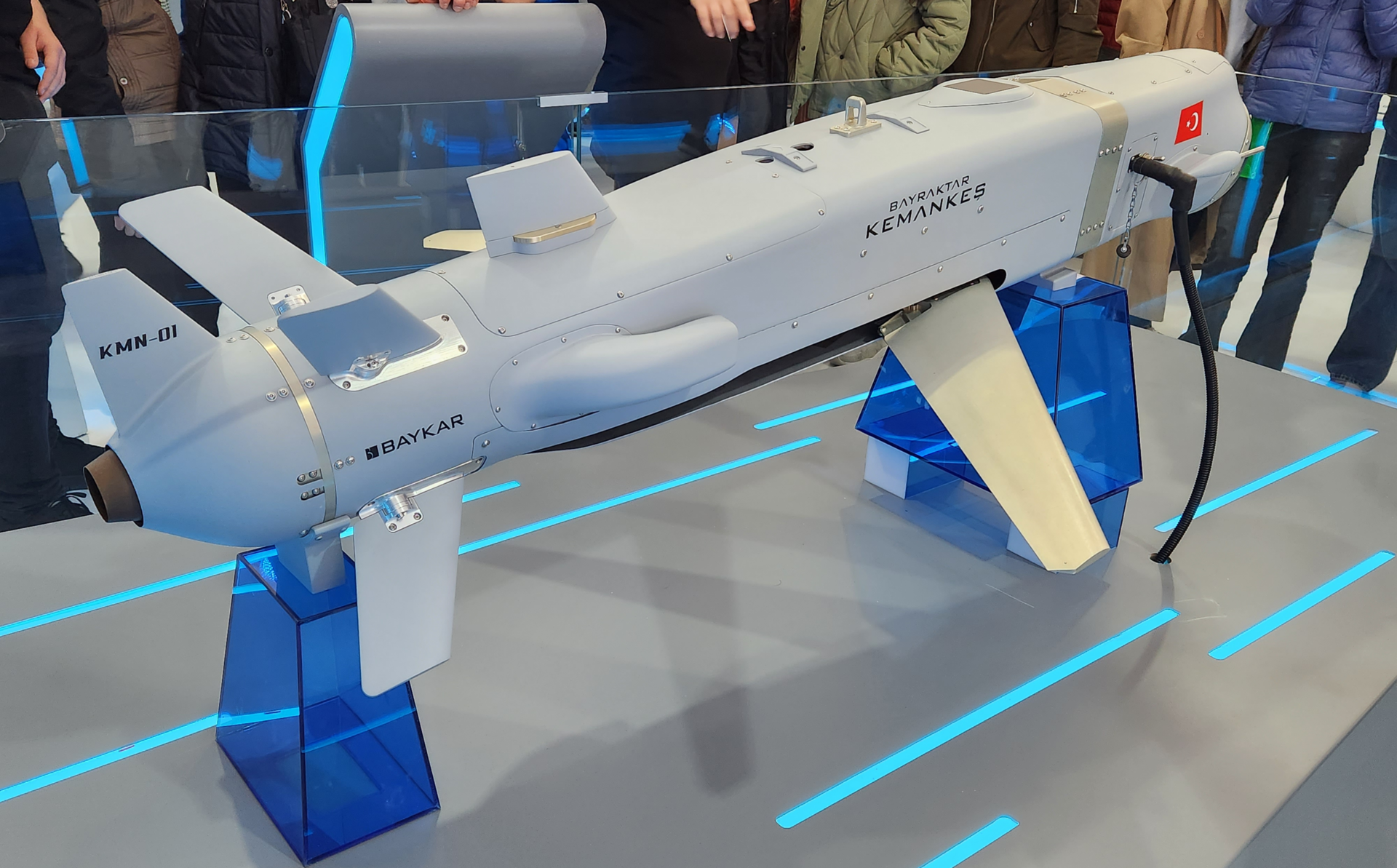
The defense industry of Turkey has grown in two decades from a sector that imported most of what the armed forces used into one that designs fighter jets, drones, warships, missiles and air defence networks, and sells them to dozens of countries. Turkish officials say local content now exceeds 80 percent, defence and aerospace exports passed 10 billion dollars for the first time in 2025, and five Turkish companies appear in the latest Defense News Top 100 list. This guide explains how the Turkish defense industry is organised, who its main companies are, which programmes matter most, and where it is heading.
- Local content: about 82%, according to Vice President Cevdet Yılmaz (December 2025), up from roughly 20% two decades earlier
- Size: more than 3,500 companies, over 1,400 projects and around 100,000 skilled jobs (2002: 56 companies, 62 projects)
- Exports: about $10 billion in 2025 (+48% on 2024); $6.92 billion in January-September 2026 (+15.6%)
- New contracts: $15 billion signed in 2026 so far, with a $20 billion year-end target, according to the SSB
- Largest firms: ASELSAN (40th in the Defense News Top 100, 2026), TUSAŞ (48th), ROKETSAN (64th), MKE (81st)
- Flagship programmes: KAAN fighter, HÜRJET trainer, Steel Dome air defence, TCG Anadolu, MİLGEM warships, Bayraktar drones
What is the defense industry of Turkey?
The Turkish defense industry is the network of state-owned, foundation-owned and private companies that develop and produce military equipment for the Turkish Armed Forces and for export. At its centre are a handful of prime contractors, most of them owned by the Turkish Armed Forces Foundation (TSKGV) or the state, surrounded by thousands of small and medium-sized suppliers. The Presidency of Defence Industries (SSB) said in October 2026 that the main contractors ASELSAN, ROKETSAN, TUSAŞ, HAVELSAN and STM had worked with more than 16,000 domestic companies over the past three years and placed orders worth more than 20 billion dollars with them.
The sector covers almost every domain: electronics, radar and electronic warfare; combat aircraft, helicopters and unmanned aerial vehicles; missiles and rockets; armoured vehicles and tanks; naval shipbuilding; small arms and ammunition; and military software and simulation. A detailed look at the force these companies equip is available in our guide How Strong Is Türkiye’s Military in 2026?.
A short history: from embargo to self-reliance
Turkey has a long tradition of arms production dating back to Ottoman cannon foundries, and the republic set up early aircraft factories in the 1920s and 1930s. The modern industry, however, was shaped by the United States arms embargo that followed the 1974 Cyprus operation. The shock of losing access to spare parts and new weapons led to the creation of foundations funded by public donations and, through them, companies such as ASELSAN (1975). TUSAŞ (Turkish Aerospace) was founded in the same period, HAVELSAN followed in 1982 and ROKETSAN in 1988.
In 1985 Law No. 3238 created the Undersecretariat for Defence Industries (SSM), giving the country a central procurement and industrial policy agency. A turning point came in 2004, when the Defence Industry Executive Committee cancelled foreign tenders worth more than 11 billion dollars and ordered that the armed forces’ needs be met through domestic development wherever possible. Programmes such as the MİLGEM corvette, the ATAK helicopter, the ALTAY tank and the Bayraktar and ANKA drones grew out of that policy. Later, the agency was restructured as the Presidency of Defence Industries (SSB), reporting directly to the President.
The role of the SSB
The SSB, led since 2023 by Prof. Dr. Haluk Görgün, manages major procurement projects, funds research and development, sets local-content and export policy and acts as the government’s main interface with industry. It runs the project portfolio that has grown from 62 projects in 2002 to more than 1,400 today, and it signs most large contracts on behalf of the armed forces. Its industrial model has attracted foreign interest: Canada, for example, has studied the SSB as a template for its own defence industrial agency, as we reported in Canada Eyes Türkiye’s SSB as Model for Domestic Defence Industry.
In 2026 the SSB said Turkey had signed about 15 billion dollars in new defence contracts with industry by mid-October, with a target of 20 billion dollars by the end of the year, and that outstanding domestic orders exceeded 13.4 billion dollars. Details are in Turkish Defence Industry Signs $15 Billion in New Contracts. Spending plans for the coming year are covered in Türkiye 2027 Defense Budget.
Major companies in the Turkish defense industry
The following companies form the backbone of the defense industry of Turkey. Each will be covered in depth in our company guides, and our existing profiles are linked below.
ASELSAN
ASELSAN is Turkey’s largest defence company and its leading electronics house, producing radars, electronic warfare systems, communications equipment, electro-optics, weapon stations and air defence systems. It ranked 40th in the 2026 Defense News Top 100 with about 4.46 billion dollars in defence revenue for 2025, and it is the main contractor for much of the Steel Dome air defence architecture. Read more in Inside ASELSAN, the Electronics Powerhouse and our report on its 442.5 million dollar export contract for radar and counter-drone systems.
Turkish Aerospace (TUSAŞ)
TUSAŞ builds the KAAN fifth-generation fighter, the HÜRJET jet trainer, the T129 ATAK and T625 GÖKBEY helicopters, the ANKA and AKSUNGUR drones and aerostructures for Airbus and Boeing. It ranked 48th in the 2026 Defense News Top 100 with about 3.65 billion dollars in defence revenue. See our Turkish Aerospace company profile, the KAAN fighter guide and HÜRJET specs and export orders.
ROKETSAN
ROKETSAN is the country’s main missile and rocket maker, responsible for the TAYFUN ballistic missile, the ATMACA anti-ship missile, the SİPER and HİSAR air defence interceptors and a family of guided rockets and anti-tank missiles. It ranked 64th in the 2026 list with about 2.37 billion dollars in defence revenue. Read our ROKETSAN company profile, What Missiles Does Türkiye Have? and the latest SİPER 2 test report.
Baykar
Baykar, the family-owned maker of the Bayraktar TB2, TB3, AKINCI and KIZILELMA drones, has become Turkey’s best-known defence exporter, with the TB2 in service in more than 30 countries. It has also expanded into Europe, acquiring Italy’s Piaggio Aerospace and forming a drone joint venture with Leonardo. See our Baykar company profile and What Drones Does Türkiye Have?.
MKE
Machinery and Chemical Industry (MKE), whose roots go back to Ottoman arsenals and which was reorganised in its modern form in 1950, produces ammunition, artillery, small arms and the TOLGA gun-based air defence system. It ranked 81st in the 2026 Defense News Top 100. Read MKE, the 500-Year Arsenal Behind Türkiye’s Ammunition.
STM
STM, founded in 1991, combines naval engineering with drone and software work. It designs MİLGEM-derived corvettes and frigates, is building a second replenishment ship for Portugal and produces the KARGU loitering munition and the TUNGA-X interceptor drone. See Inside STM and STM lays keel of Portugal’s second Turkish-built replenishment ship.
HAVELSAN
HAVELSAN, founded in 1982, specialises in command-and-control software, combat management systems, simulators and cyber security, and supplies the ADVENT combat management system used on Turkish warships. Read HAVELSAN, the Software House Arming Türkiye’s Forces.
Land systems: FNSS, Otokar, BMC and Nurol Makina
Turkey’s armoured vehicle sector is led by FNSS (the PARS and KAPLAN families), Otokar (COBRA and ARMA vehicles, exported to dozens of countries), BMC (KİRPİ MRAPs and series production of the ALTAY main battle tank) and Nurol Makina (EJDER YALÇIN 4x4s). See our profiles of FNSS, Otokar, BMC and Nurol Makina, plus the ALTAY tank guide.
Other key players
ASFAT, the military factory and shipyard management company established in 2018, has grown rapidly and ranked 78th in the 2025 Defense News Top 100. TEI (TUSAŞ Engine Industries) develops engines including the TF35000 planned for later KAAN aircraft, while a broad small arms sector, covered in Turkish Small Arms Industry, exports pistols and rifles worldwide.
Flagship programmes
KAAN fighter jet: The KAAN prototype first flew on 21 February 2024. The more representative P1 prototype began taxi tests on 31 July 2026, and Turkish Aerospace has said it expects to deliver the first 20 Block 10 aircraft in 2028. Indonesia signed a purchase contract for 48 aircraft in July 2025. Early jets use General Electric F110 engines, whose export the United States cleared in 2026, while a domestic engine is planned for the 2030s.
Steel Dome (Çelik Kubbe): This layered air defence architecture links SİPER long-range, HİSAR medium- and short-range and SUNGUR very short-range missiles with guns, electronic warfare and networked sensors. SİPER Block I entered service in January 2026, and the system was deployed in the field as an integrated network for the first time during the EFES-2026 exercise. Learn more in What Is Türkiye’s Steel Dome? and Türkiye’s Air Defense Systems.
Naval programmes: The amphibious assault ship TCG Anadolu, commissioned in 2023, operates TB3 drones from its deck. MİLGEM has produced Ada-class corvettes and the İstanbul-class frigates, and work on a national submarine has begun at Gölcük. See How Many Warships Does Türkiye Have? and How Many Submarines Does Türkiye Have?.
Unmanned systems and electronic warfare: Beyond Baykar’s drones, TUSAŞ’s AKSUNGUR and ANKA, and a growing family of unmanned surface vessels and loitering munitions have made unmanned warfare a defining strength. Turkish electronic warfare systems are covered in Türkiye’s Electronic Warfare Systems.
Exports: record growth
Turkish defence and aerospace exports rose from 248 million dollars in 2002 to about 7.1 billion dollars in 2024 and roughly 10 billion dollars in 2025, a 48 percent increase in a single year. According to reporting on official data, about 56 percent of 2025 exports went to European countries, NATO members and the United States. Growth continued in 2026: exports reached 6.92 billion dollars in the first nine months, up 15.6 percent, and the rolling 12-month total approached 11 billion dollars.
Recent export highlights include HÜRJET trainers for Spain, the KAAN contract with Indonesia, replenishment ships for Portugal, ASELSAN radar and counter-drone sales, and drones and helicopters for African air forces such as Nigeria, which lists 12 AKSUNGUR drones and six T129 ATAK helicopters among expected aircraft.
Challenges
The industry still faces constraints. Engines remain the main gap, with KAAN, HÜRJET and ALTAY all relying on foreign powerplants in their early versions. Turkey was removed from the F-35 programme in 2019 after buying the Russian S-400, and US CAATSA sanctions imposed on the SSB in 2020 complicated some licences, as explained in Why Was Türkiye Removed From the F-35 Program?. Export licences for Western components, financing for large export deals and the need to scale up production capacity are other recurring issues.
Outlook to 2030
Turkey’s 12th Development Plan (2024-2028) targets 11 billion dollars in annual defence exports, 26 billion dollars in sector turnover and 150,000 jobs. Key milestones ahead include KAAN serial production, wider Steel Dome deployment, a national submarine and domestic engines. Ankara is also deepening industrial cooperation with partners, illustrated by the Badr defence pact with Qatar, Pakistan and Indonesia.
Frequently asked questions
What is the largest defence company in Turkey?
ASELSAN is the largest by defence revenue, ranking 40th in the 2026 Defense News Top 100 with about 4.46 billion dollars.
How much does Turkey export in defence products?
About 10 billion dollars in 2025, a record, and 6.92 billion dollars in the first nine months of 2026.
What share of Turkish military equipment is made locally?
Officials put local content at around 82 percent as of late 2025.
Who runs the Turkish defense industry?
Policy and major procurement are managed by the Presidency of Defence Industries (SSB), headed by Haluk Görgün.
Latest news on the defense industry of Turkey
- ASELSAN signs 442.5 million dollar export contract for radar and counter-drone systems
- SİPER 2 missile destroys a target switched in mid-flight
- STM’s TUNGA-X interceptor drone destroys target UAV in TURNAs-2026
- AKSUNGUR drops aselBUOY sonobuoys for the first time
- Türkiye signs procurement contract for ROKETSAN’s ÇAKIR cruise missile
- MKE launches ZAFER subsidiary
- Türkiye targets 10 million kamikaze systems in 10 years
- Turkish defence industry signs $15 billion in new contracts
Featured image: MLHSFRN / CC0, via Wikimedia Commons