Submarine Detection Explained – How Anti-Submarine Warfare Works
Submarine detection, or anti-submarine warfare (ASW), relies on sound because radio waves barely penetrate seawater, and a modern nuclear boat can be hidden beneath an ocean covering roughly 70 percent of the planet. Navies combine passive listening, active sonar, sonobuoys and aircraft to find a target that is built to stay silent.
How does anti-submarine warfare work
ASW is a chain of three steps. Forces first detect a possible contact, then classify it as a submarine rather than a whale, wreck or merchant ship, and finally localize it precisely enough to attack or track. Each step uses a different mix of sensors, and no single sensor does all three well.
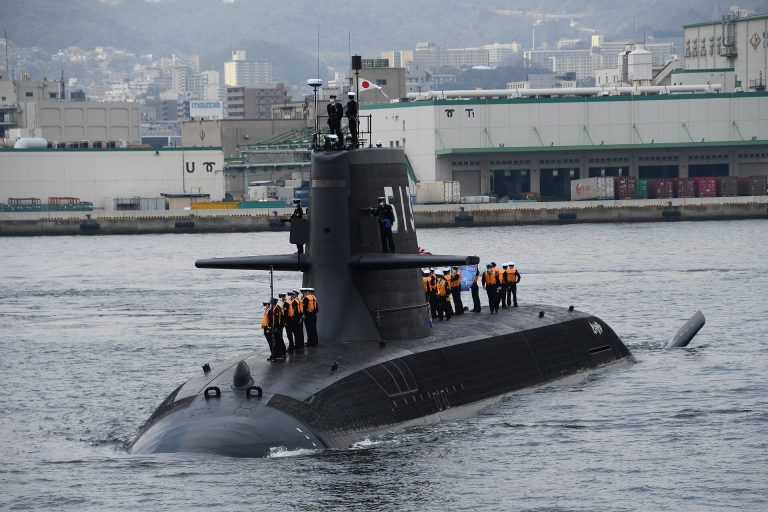
The work is layered across platforms. Fixed seabed arrays watch chokepoints, frigates and destroyers tow arrays behind them, helicopters dip sonars into the water, and long-range aircraft drop sonobuoys. Other submarines are also among the best hunters, because a quiet boat can listen without revealing itself. Our top 10 attack submarines ranking shows why the hunter-killer role matters.
Active vs passive sonar
Passive sonar just listens. It detects the noise of propellers, machinery and flow over the hull, and operators compare it to acoustic signatures in a library. Active sonar sends out a sound pulse and waits for an echo, which gives range and bearing but also tells the target it is being hunted. Our detailed explainer on how sonar works goes through the physics.
| Sensor | Mode | Strength | Weakness |
|---|---|---|---|
| Hull-mounted sonar | Active and passive | Always available on the ship | Limited by ship noise and depth layers |
| Towed array | Mainly passive | Very long range, away from ship noise | Slow to deploy, hard to maneuver |
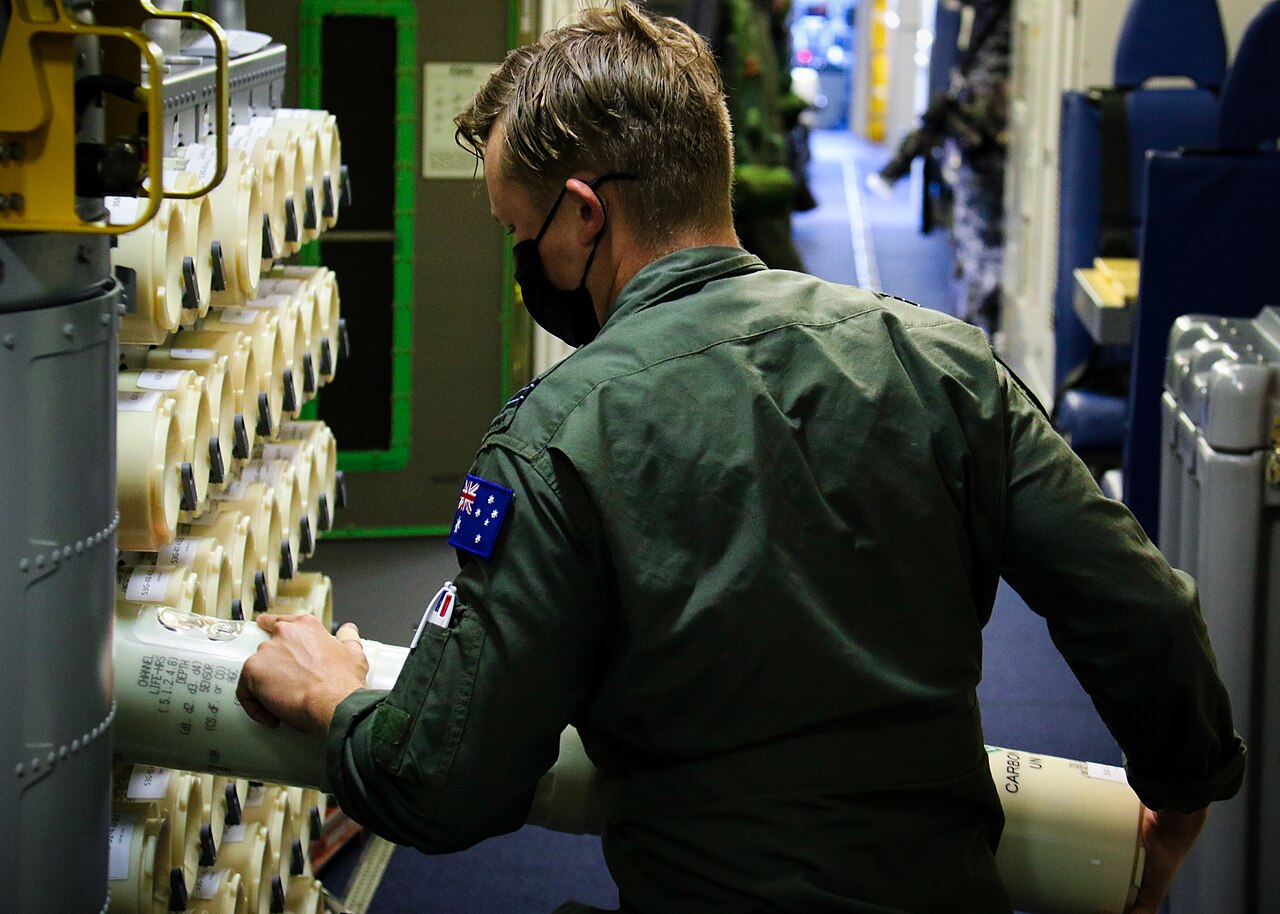
| Sonobuoy | Active or passive | Dropped by aircraft, quick wide coverage | Short battery life, expendable |
| Dipping sonar | Active | Helicopter lowers it beside a contact | Short dwell time |
| Seabed array | Passive | Persistent coverage at chokepoints | Fixed location, costly |
| Submarine sonar | Passive mainly | Stealthy hunter | Needs patience and skill |
A towed array trailing kilometers behind a ship can hear far beyond its own noise, which is explained in our towed-array sonar guide.
How do maritime patrol aircraft find submarines
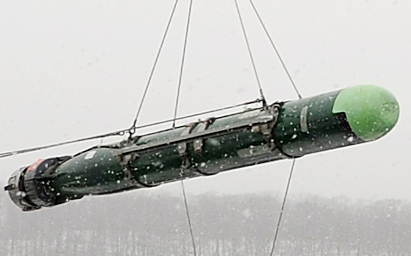
Aircraft such as the US-built P-8A Poseidon cover large areas fast. They drop sonobuoys in patterns, receive their acoustic data by radio, and process it on board. Some buoys are active and emit pings, others are passive and listen, and some measure water temperature to feed models of how sound will travel. Once a contact is found, the aircraft can drop a lightweight torpedo such as the Mk 54 or cue ships and helicopters.
Helicopters, such as the MH-60R and NH90, work closer to a fleet. They lower a dipping sonar on a cable, hover for a few minutes, then move, repeating the pattern to fix a submarine’s position. Both aircraft and helicopters are faster than any submarine, so the hunter usually has the initiative once it has a contact.
Can submarines be detected without sound
Yes, but only in limited ways. Magnetic anomaly detectors sense the small distortion a steel hull makes in the Earth’s magnetic field, but only at very short range, so they are used for final localization. Radar can spot a snorkel or periscope in calm seas, infrared sensors can find a thermal wake, and satellites can sometimes see surface disturbances. Researchers have also studied lidar and wake detection, though no method has displaced acoustic sensing at scale. Claims that oceans are becoming transparent, often made about future sensors, should be treated with caution.
Why ASW is so hard
The ocean is a noisy, layered medium. Temperature and salinity changes bend sound and create shadow zones and thermoclines where a submarine can hide. Shipping, waves and marine life add background noise. Meanwhile, modern submarines have been made quieter with anechoic tiles, rafted machinery and pump-jet propulsors, and nuclear-powered boats can stay submerged for months. Our explainer on air-independent propulsion shows how conventional boats also run almost silently for weeks.
| Challenge | Effect on ASW |
|---|---|
| Thermocline and sound layers | Sound bends away, creating blind spots |
| Ambient noise | Masks a quiet target |
| Quieting technology | Reduces radiated noise by large margins |
| Vast search area | Even a fast aircraft can search only a small fraction per hour |
| False contacts | Whales, wrecks and geology mimic submarines |
Submarine detection frequently asked questions
How do ships detect submarines?
They use hull-mounted and towed sonar to listen for noise or send pings, often supported by helicopters and aircraft.
What is a sonobuoy?
A sonobuoy is an expendable acoustic sensor dropped from aircraft that radios data back to the plane.
Can radar detect a submarine underwater?
No. Radar can only detect a submarine’s mast or surface signs, not a fully submerged hull.
What is the best anti-submarine aircraft?
The P-8A Poseidon is widely regarded as the most capable, with rivals including the Japanese P-1 and the Atlantic-class aircraft in Europe.
Why are nuclear submarines hard to find?
They are very quiet at low speed and can stay submerged for months, so they give few detection opportunities.
- US Navy and Royal Navy public ASW doctrine summaries
- Wikipedia – Anti-submarine warfare (accessed October 2026)
- Manufacturer product literature for sonar and sonobuoys
- Defence & Tech reporting