How Strong Is Ukraine’s Military in 2026?
No army in Europe has fought as much, or changed as fast, as Ukraine’s. Nearly five years after Russia’s full-scale invasion, the Armed Forces of Ukraine have grown from a post-Soviet force short of almost everything into a mass, drone-heavy military that now produces much of its own weaponry. Here is how strong it really is in 2026.
- SIPRI: about $84.1 billion spent in 2025, 7th in the world
- Global Firepower 2026 rank: 20th
- Close to one million people under arms
- World’s largest military drone user and producer
- Flying F-16s and Mirage 2000s, with Gripen E planned
Budget: a country spending for survival
According to the Stockholm International Peace Research Institute (SIPRI), Ukraine spent roughly $84.1 billion on its military in 2025, the seventh-largest budget in the world and around 40 percent of its GDP. No other country comes close to that share. A large part of the bill is covered by Western partners, either through direct financial aid or through weapons purchased on Kyiv’s behalf, but the domestic effort is unmatched anywhere.
Manpower and experience
Ukraine has close to a million people in uniform once the regular army, National Guard, Border Guard and territorial units are counted. Mobilisation remains politically painful, and keeping front-line brigades fully manned is the army’s most persistent problem. What Ukraine has in abundance is combat experience: almost every unit has fought a modern, high-intensity war, something no NATO army can say. Global Firepower ranks Ukraine 20th in its 2026 index, a number that understates how much real-world capability that experience brings.
The drone army
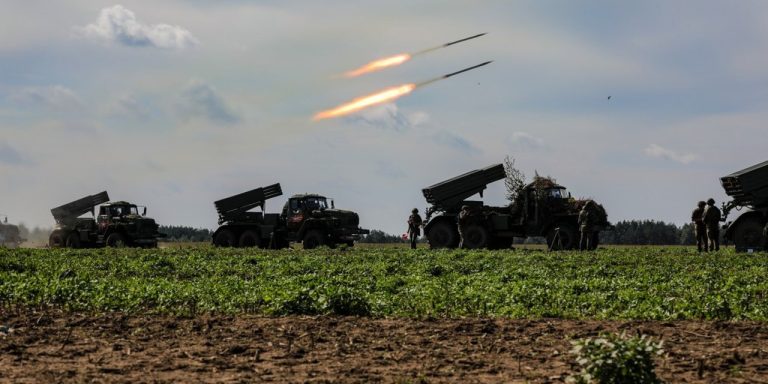
Drones are the defining feature of Ukraine’s military. Small FPV drones now cause a large share of battlefield casualties on both sides, and Ukraine’s industry turns out millions of them a year, with official plans for 2026 calling for around seven million. The country has also built long-range attack drones that strike refineries and airbases deep inside Russia, interceptor drones that hunt Shahed-type attackers, and naval drones that pushed Russia’s Black Sea Fleet away from much of the western Black Sea. A dedicated branch, the Unmanned Systems Forces, now coordinates this effort.
Air power and air defence
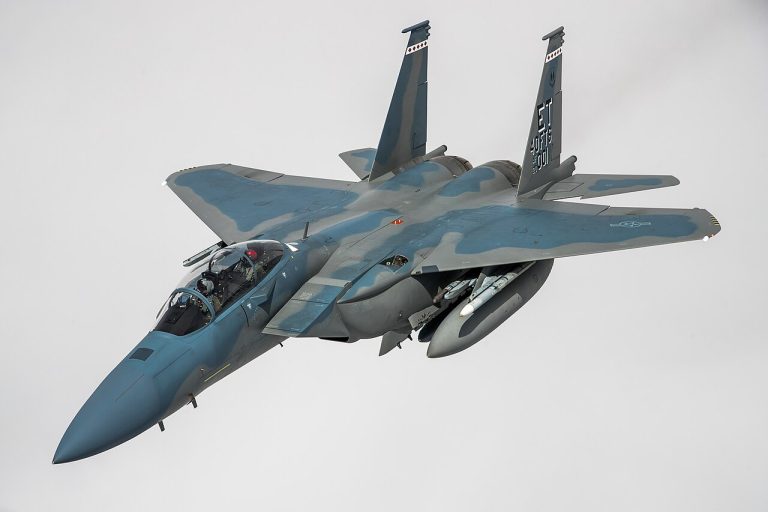
Ukraine’s air force still flies Soviet-era MiG-29s and Su-27s, now joined by F-16s donated by the Netherlands, Denmark, Norway and Belgium, and by French Mirage 2000s. In late 2025 Kyiv signed a letter of intent with Sweden for a large fleet of Gripen E fighters, a long-term plan that would reshape the air force in the 2030s. On the ground, Patriot, IRIS-T, NASAMS and SAMP/T batteries protect cities alongside older S-300s and a dense network of mobile fire groups.
Long-range strike and domestic industry
Ukraine’s own missile industry has expanded quickly. The Neptune anti-ship and land-attack missile is in service, and the much longer-range Flamingo cruise missile entered serial production in 2025. Western weapons such as Storm Shadow, SCALP and ATACMS added precision strike, while local firms now build artillery, armoured vehicles and electronic warfare systems at scale. Ukraine’s defence industry has become one of Europe’s fastest-growing.
Strengths and weaknesses
Ukraine’s strengths are combat experience, innovation speed and a world-leading drone ecosystem. Its weaknesses are manpower, dependence on foreign air-defence interceptors and long-range missiles, and the uncertainty of Western support. Whatever happens at the negotiating table, Ukraine will come out of this war with one of the largest and most experienced armies in Europe, and that alone will change the continent’s security balance for decades.
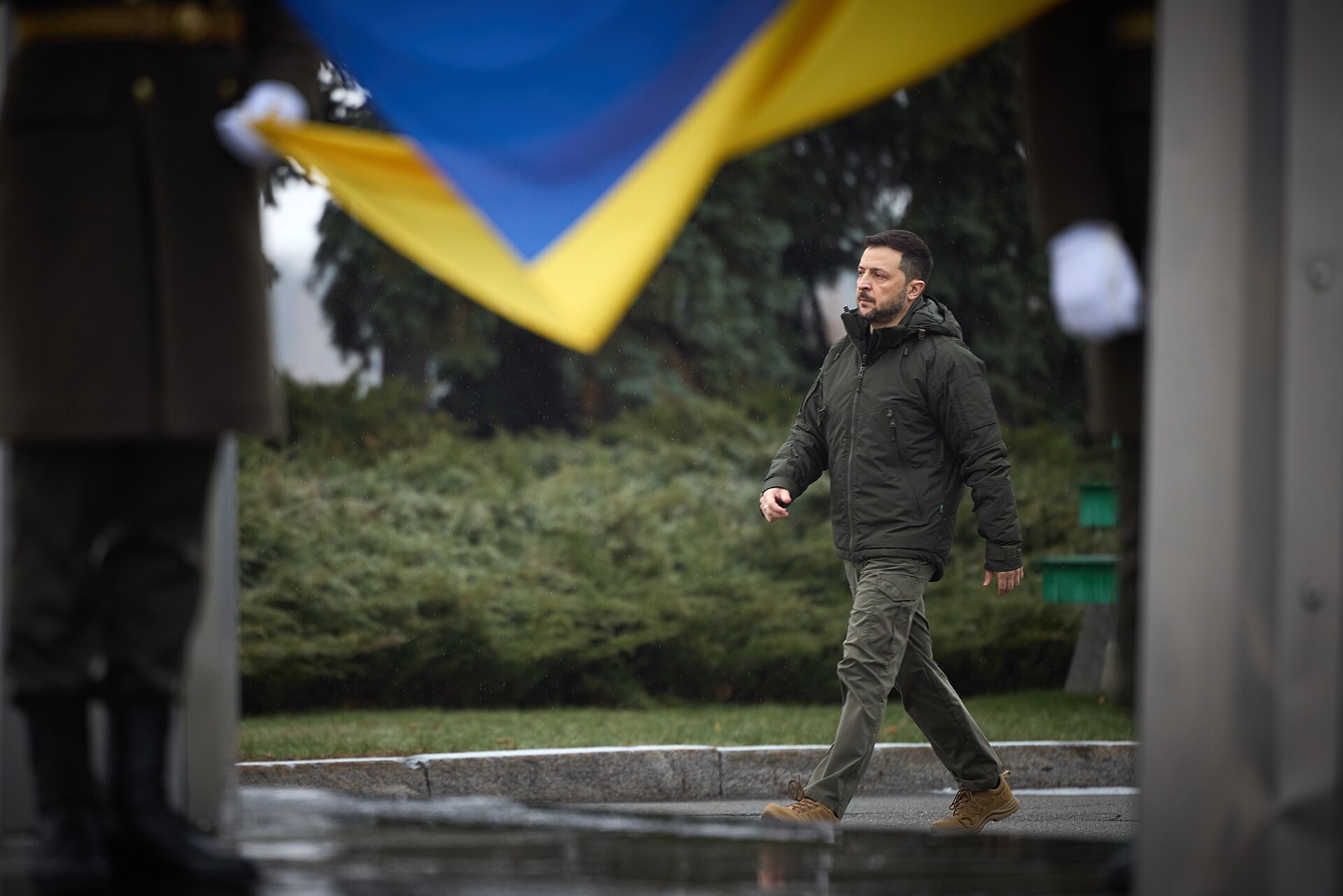
Featured image: Office of the President of Ukraine / CC0, via Wikimedia Commons