
The State of the Ukraine-Russia War: A Fractured Truce, Asymmetric Deep Strikes, and Nuclear Posturing


 React
React
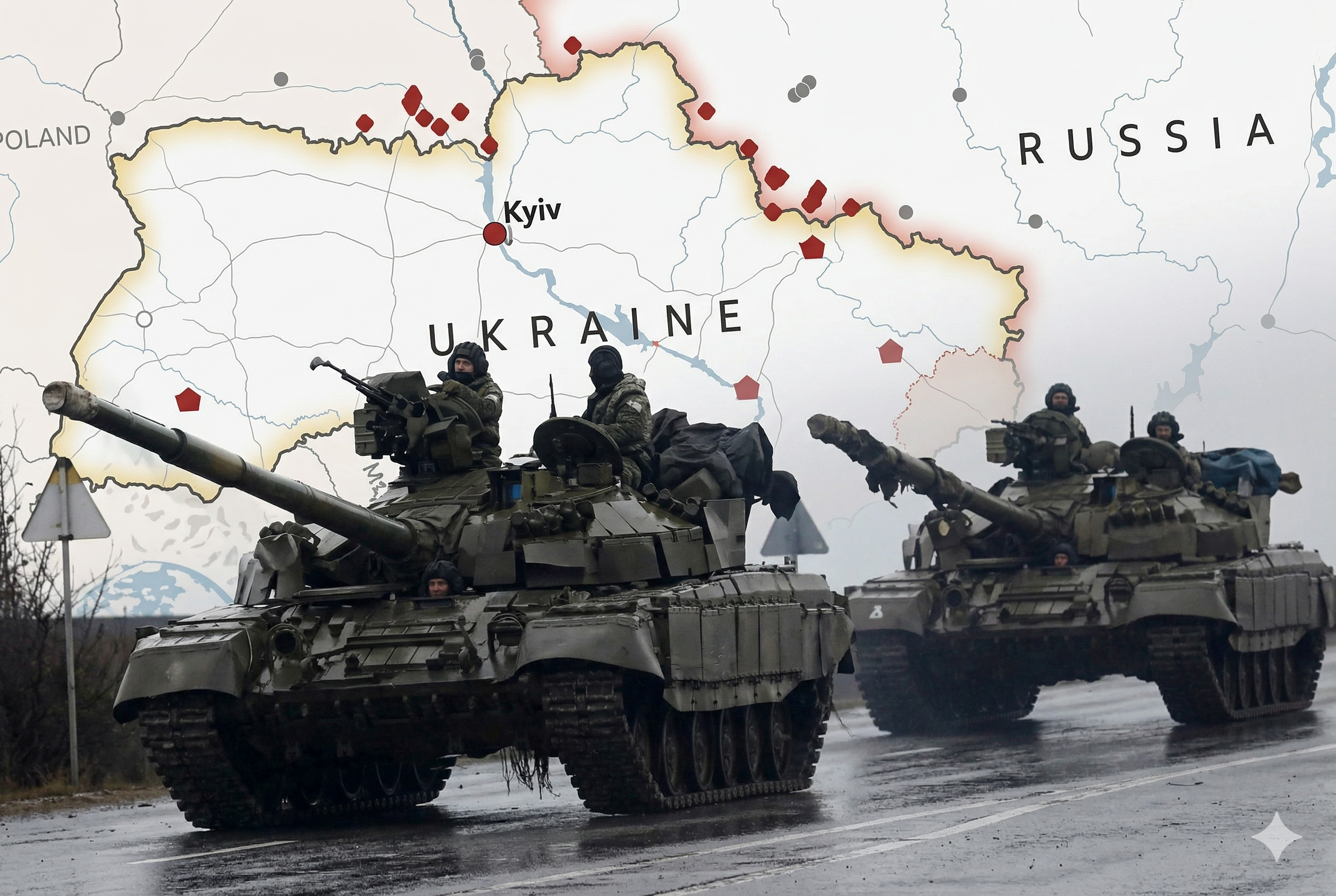
As the Russo-Ukrainian War enters a critical new phase in May 2026, the battlefield reality stands in stark contrast to diplomatic efforts. While a US-mediated ceasefire briefly made headlines, the reality on the ground has been defined by a massive escalation in deep-strike drone warfare, crippling attacks on Russian critical infrastructure, and renewed nuclear saber-rattling from the Kremlin.
Following the grueling attritional warfare of April, May 2026 has witnessed a significant shift in military dynamics. The highly anticipated diplomatic push led by US President Donald Trump resulted in a brief, three-day truce coinciding with Russia’s Victory Day commemorations. However, the immediate collapse of this ceasefire has given way to an unprecedented wave of long-range strikes, proving that neither Kyiv nor Moscow is prepared to back down from their maximalist objectives.
Here is the comprehensive defense and strategic analysis of the Ukraine-Russia War for May 2026.
The Illusion of the May Ceasefire
Between May 9 and May 11, a temporary ceasefire—brokered primarily through US mediation—was enacted. Intended as a humanitarian pause and a window for a prisoner exchange, the truce was severely strained from the outset.
Ukrainian President Volodymyr Zelenskyy openly accused the Russian military of completely disregarding the ceasefire, noting that Russian forces continued assault operations in key frontline sectors. On the diplomatic front, the Kremlin doubled down on its aggressive preconditions for peace, with Dmitry Peskov demanding a total Ukrainian withdrawal from the Donetsk, Luhansk, Zaporizhzhia, and Kherson oblasts. This demand sharply contradicts the battlefield reality and was notably rebuffed by President Trump, who confirmed he had not agreed to Russia acquiring the entirety of the Donbas region.
Ukraine’s Unprecedented Deep-Strike Campaign
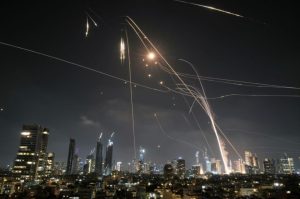
With the collapse of the truce, the war has increasingly shifted into the Russian deep rear. In mid-May, Ukraine unleashed one of the largest coordinated drone swarms of the war, launching over 500 drones targeting military and energy infrastructure across more than a dozen Russian regions, including Moscow.
Ukraine’s asymmetric deep-strike capabilities have expanded significantly, hitting targets up to 1,500 kilometers from the international border. Key strategic strikes in May included:
-
VNIIR-Progress Plant: Ukrainian forces struck this critical facility in Cheboksary, which produces navigation components for GLONASS and Kometa electronic warfare (EW) systems used in Russian long-range drones and missiles.
-
Energy Infrastructure: The Kirishinefteorgsintez Oil Refinery in the Leningrad Oblast and the Tamanneftgaz oil terminal in Krasnodar Krai suffered severe damage, further degrading Russia’s refining capacity and war-funding mechanisms.
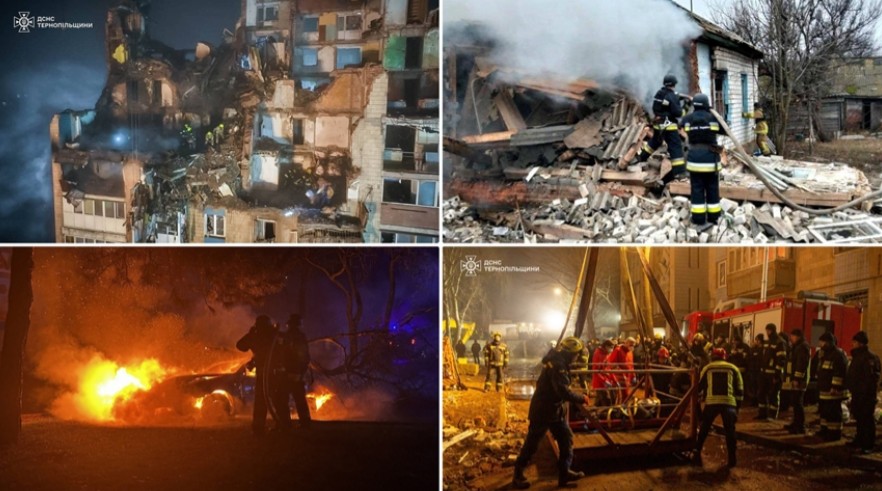
In retaliation, Russian forces launched massive drone barrages, firing over 800 drones at Ukrainian cities in a matter of days, though Ukrainian air defenses reported exceptionally high interception rates.
Putin’s Nuclear Posturing: The Sarmat ICBM
The May 9 Victory Day parade in Moscow was noticeably scaled-down, leading defense analysts to conclude that Russia could not reliably secure its own capital against Ukrainian drone strikes without the brief ceasefire.
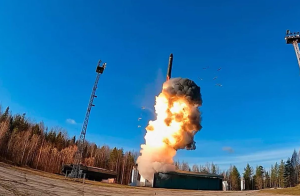
To mask this glaring domestic vulnerability, President Vladimir Putin immediately pivoted to nuclear saber-rattling. On May 12, Putin touted the successful testing of the RS-28 Sarmat super-heavy intercontinental ballistic missile (ICBM), claiming it would be deployed with the Strategic Missile Forces by the end of 2026. This rhetoric, alongside mentions of the Oreshnik IRBM and Poseidon underwater vehicles, is viewed by Western intelligence as a calculated psychological operation to project strength amid conventional military struggles.
The Economic Front: Oil Sanctions Waiver Lapses
Adding to the Kremlin’s strategic woes, the geopolitical ripple effects of the Middle East crisis directly impacted Russia’s war chest in May. The US Treasury Department allowed a crucial sanctions waiver to lapse. This waiver had previously permitted countries like India to purchase Russian seaborne oil amid supply shortages triggered by the Strait of Hormuz crisis. With the waiver’s expiration, the financial noose around Russia’s energy sector tightened once again, aiming to throttle the revenue sustaining the Russian war machine.
In conclusion; The events of May 2026 demonstrate that the Ukraine-Russia conflict is evolving into a deeply entrenched, multi-domain war of attrition. While diplomatic efforts are faltering, Ukraine’s mastery of long-range asymmetric drone strikes is systematically exposing the vulnerabilities of the Russian deep rear, forcing Moscow to rely increasingly on nuclear posturing to maintain its great-power image.