Nigeria Defense News: The Top 5 Strategic Developments Shaping the Armed Forces
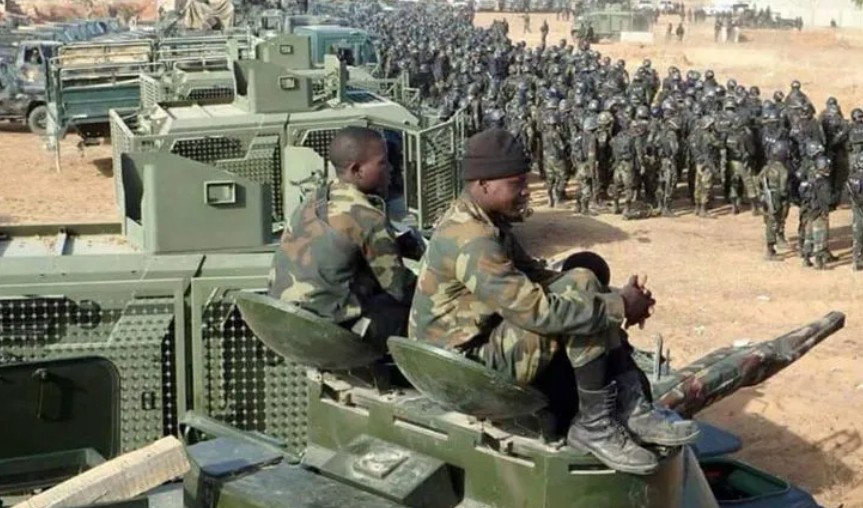
ABUJA — The Nigerian Armed Forces are currently engaged in one of the most complex, multi-front asymmetric wars on the African continent. As the undeniable geopolitical heavyweight of West Africa, Nigeria’s military is stretched across vast terrains, fighting heavily armed insurgencies in the northeast, violent kidnapping syndicates in the northwest, and maritime piracy in the south.
Driven by recent surges in militant attacks and the collapse of regional security architectures in the neighboring Sahel, Abuja is aggressively modernizing its doctrines and hardware. For defense analysts, here are the top five most critical developments currently dominating Nigeria Defense News.
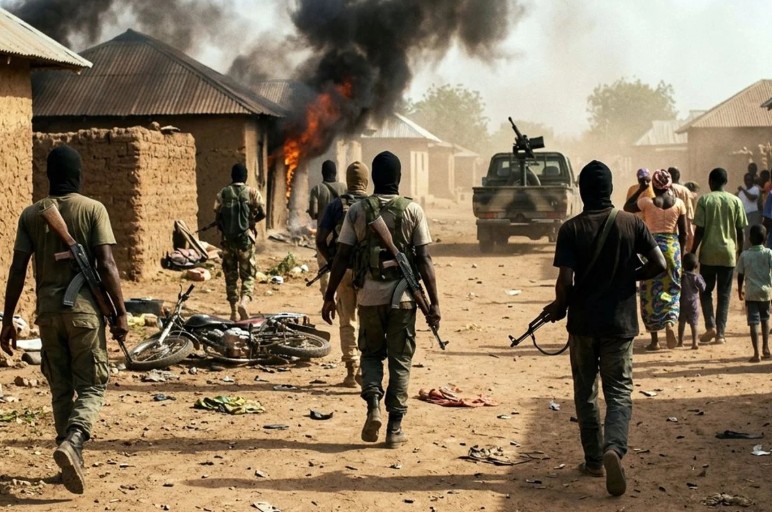
1. The Multi-Front COIN Campaign: Responding to Asymmetric Attacks Nigeria’s internal security architecture is under severe pressure following a renewed wave of highly coordinated attacks. The military is actively battling two distinct fronts: the ideological insurgency of ISWAP (Islamic State West Africa Province) and Boko Haram factions in the Lake Chad basin, and the ruthless, heavily armed “bandit” syndicates executing mass kidnappings in the northwest (Zamfara and Kaduna states). In response, the Nigerian Army has intensified its overarching Counter-Insurgency (COIN) operations—such as Operation Hadin Kai—shifting from static super-camp defenses to aggressive, intelligence-led mobile sweeps designed to hunt down militant logistics hubs.
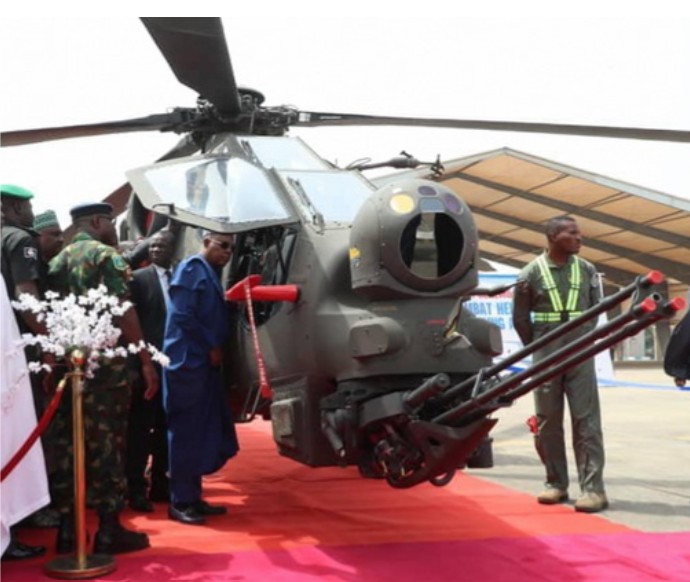
2. The Aerial Pivot: Integration of Turkish Aerospace Tech To break the stalemate on the ground, the Nigerian Air Force (NAF) is executing a massive aerial modernization program, turning heavily toward NATO-standard Turkish defense technology. Nigeria has successfully inducted T-129 ATAK helicopters from Turkish Aerospace Industries (TUSAS) and Bayraktar TB2 Unmanned Aerial Combat Vehicles (UCAVs). These assets are fundamentally altering the battlefield geometry. The TB2s provide persistent ISR (Intelligence, Surveillance, and Reconnaissance) and precision-strike capabilities, while the T-129 ATAKs deliver devastating Close Air Support (CAS) to ground troops ambushed by insurgents in dense forests, providing a lethal edge that legacy platforms lacked.
3. Securing the Economic Lifeline: The “Deep Blue” Maritime Strategy While the north burns, the Nigerian Navy is securing the nation’s economic beating heart in the south. The Gulf of Guinea has historically been a global hotspot for piracy, oil theft, and illegal bunkering, draining billions from the Nigerian economy. In response, the government has operationalized the Deep Blue Project, a comprehensive maritime security architecture. Backed by new offshore patrol vessels, special boat services, and coastal radar networks, the Navy has significantly reduced piracy incidents, aiming to guarantee total domain awareness over its Exclusive Economic Zone (EEZ) and vital oil infrastructure.
4. The Sahel Contagion: Securing the Northern Borders Nigeria’s strategic posture is heavily dictated by the collapsing security environment on its northern borders. Following a string of military coups in neighboring Niger, Mali, and Burkina Faso, the traditional Western-backed counter-terrorism framework in the Sahel has evaporated. As the leader of ECOWAS (Economic Community of West African States), Nigeria has been forced to heavily militarize its porous northern frontiers. The Armed Forces are rushing to establish a robust border defense grid to prevent the transnational spillover of Al-Qaeda and ISIS-affiliated fighters fleeing the chaos of the Sahelian juntas.
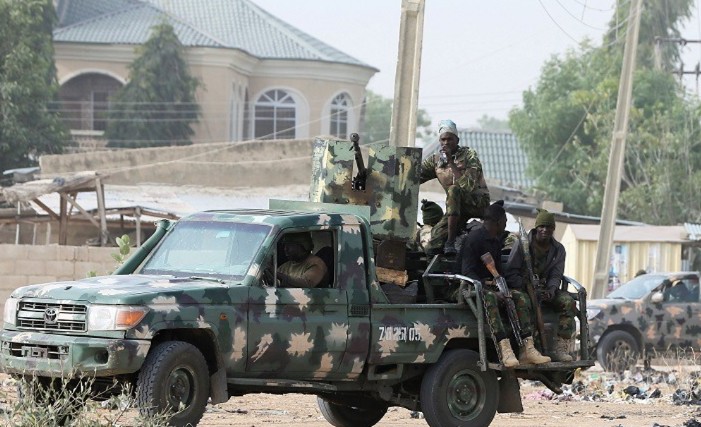
5. Domestic Industrialization: The DICON Revival Recognizing the vulnerability of relying entirely on foreign arms imports during a protracted war, the Ministry of Defence is aggressively pushing to localize military production. The Defence Industries Corporation of Nigeria (DICON) is undergoing a major revitalization mandate. Partnering with domestic private defense firms like Proforce—which produces the highly successful “Ara” Mine-Resistant Ambush Protected (MRAP) vehicles—Nigeria is striving for strategic autonomy. The goal is to build a sovereign defense-industrial base capable of independently producing small arms, tactical vehicles, and drone technologies to sustain its high-tempo COIN operations.