NATO’s 5% Defence Spending Target Explained: Who Pays, What Counts and Who Will Hit It
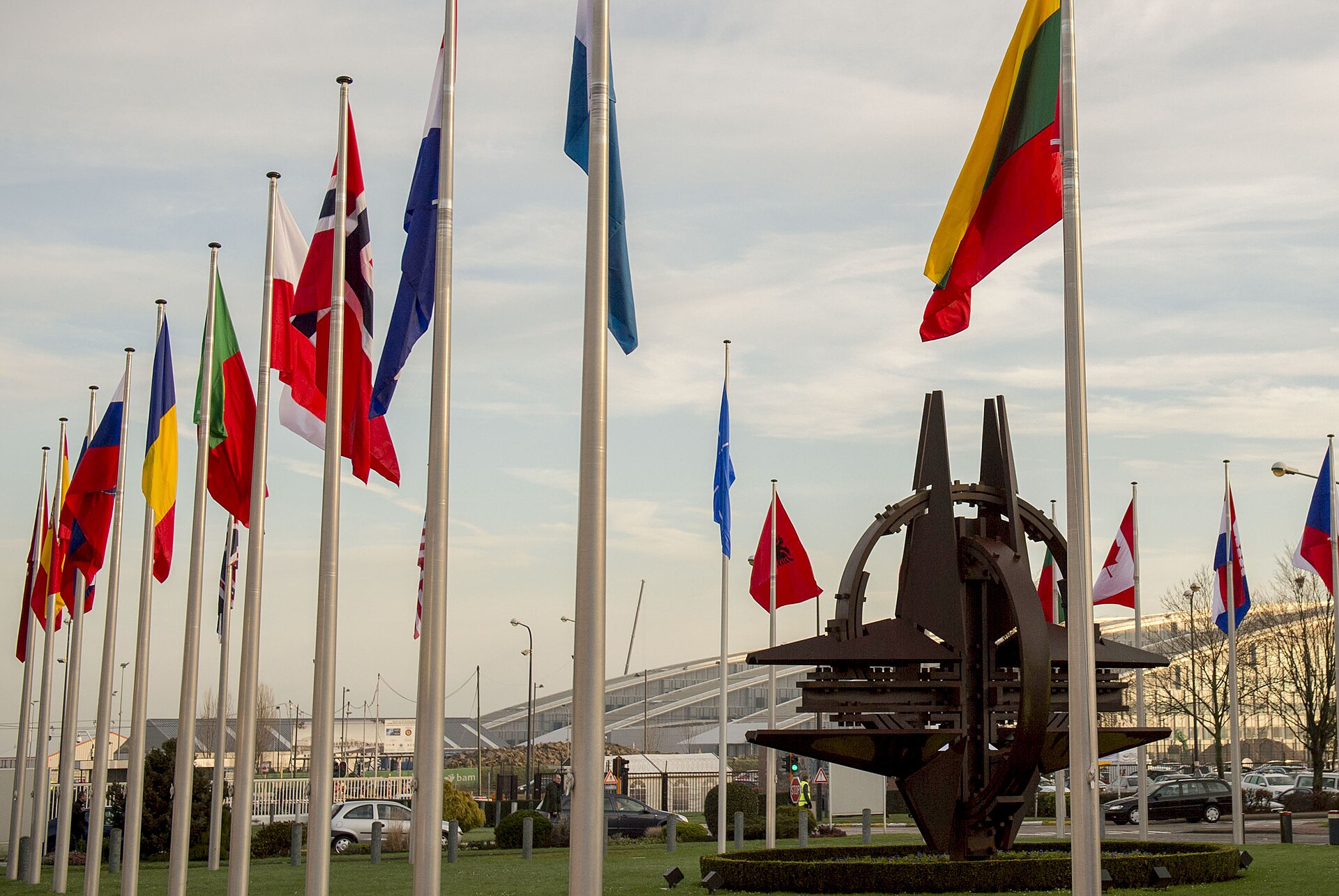
For a decade NATO’s headline goal was simple: spend 2 percent of GDP on defence. In June 2025, at the summit in The Hague, the allies raised the bar dramatically to 5 percent. It is the biggest change in alliance burden-sharing since the Cold War. Here is what the target really means and who is likely to meet it.
- Agreed at The Hague summit in June 2025
- 3.5% of GDP for core defence by 2035
- Another 1.5% for defence-related spending such as infrastructure
- Progress reviewed in 2029
- Eastern flank states are moving fastest
Where the 5% came from
Pressure from Washington, Russia’s war against Ukraine and fears that the US could shift its attention to the Pacific combined to push European allies into a new commitment. US President Donald Trump had demanded 5 percent, and NATO Secretary General Mark Rutte crafted a compromise that most allies could accept.
How the formula works
The 5 percent is split into two parts. At least 3.5 percent of GDP must go on “core” defence: troops, weapons, ammunition, training and operations, measured by NATO’s existing definition. Up to 1.5 percent can go on defence-related spending, such as military mobility infrastructure, protecting critical infrastructure, cyber defence, civil preparedness and the defence industrial base. Allies have until 2035 to get there, must submit annual plans showing a credible path, and progress will be reviewed in 2029.
Who is on track?
Countries closest to Russia are moving fastest. Poland already spends well above 4 percent, and the Baltic states have pledged 5 percent or more within a few years. Germany changed its constitutional debt brake in 2025 to exempt most defence spending and plans to reach the 3.5 percent core level before the deadline; SIPRI recorded a 24 percent jump in German military spending in 2025 alone. The UK, France, the Netherlands and the Nordic countries have published plans to climb steadily.
Who is struggling?
Spain secured flexibility at The Hague and argues it can meet its capability targets with far less. Italy, Belgium, Canada and Portugal face tight budgets and high debt, and will rely heavily on the 1.5 percent category, where definitions are looser. Critics warn that some governments may relabel existing spending rather than buying real military capability.
What the money will buy
NATO’s capability targets call for much more air and missile defence, long-range strike, artillery ammunition, drones, enablers such as tankers and transport aircraft, and larger ground forces. Europe’s defence industry is expanding to meet the demand, but production lines for missiles and shells take years to build.
Why it matters
If allies follow through, European defence spending will rise by hundreds of billions of euros a year by the mid-2030s, reshaping the arms market and making Europe far less dependent on the US. If they do not, the gap between promises and reality could become NATO’s next political crisis.
Featured image: Senior Master Sgt. Adrian Cadiz / Public domain, via Wikimedia Commons