
Niger Suspends 9 French Media Outlets in Strategic Decoupling
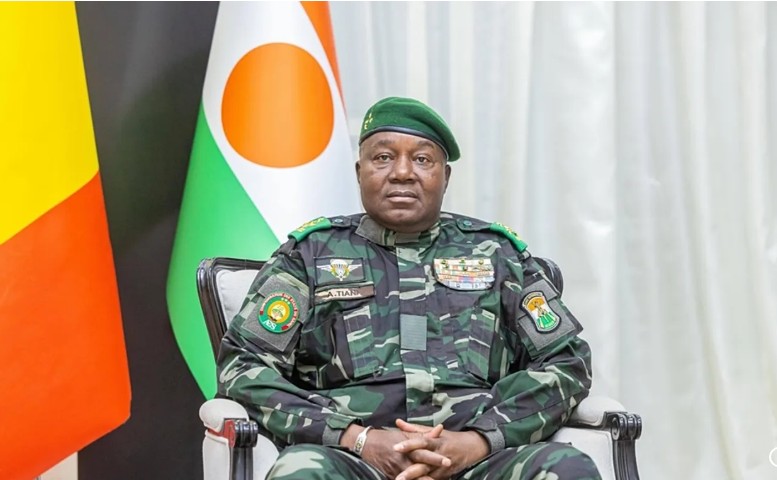
NIAMEY — In a decisive move that highlights the escalating information warfare in the Sahel region, Niger’s military government has ordered the immediate suspension of nine prominent French media outlets. This sweeping blackout is the latest and most aggressive step in the junta’s systematic campaign to dismantle French influence and control the domestic narrative since the July 2023 coup.
The National Observatory of Communication (ONC), Niger’s media regulatory body, announced the ban, targeting a wide spectrum of French and France-based organizations including France 24, Radio France Internationale (RFI), Agence France-Presse (AFP), TV5 Monde, TF1 Info, Jeune Afrique, Mediapart, France Afrique Media, and LSI Africa.
Controlling the Narrative
The ONC justified the draconian measure by accusing these outlets of continuously disseminating content that poses a severe threat to “public order, national unity, social cohesion, and the stability of Republican institutions.”
To ensure complete severing of these information channels, the military leadership under General Abdourahamane Tchiani has dictated that the suspension applies across all broadcast mediums. This includes satellite packages, terrestrial cable networks, digital platforms, websites, and mobile applications, effectively enforcing a digital iron curtain against French news sources.

A Broader Geopolitical Realignment
For defense analysts and geopolitical observers, this media purge is not merely a localized press freedom issue; it is a critical component of a broader strategic realignment. Since ousting President Mohamed Bazoum, the military junta has aggressively severed historic military and diplomatic ties with Paris—its former colonial power and erstwhile security partner.
By blinding the domestic population to French broadcasting, Niamey is fortifying its psychological defense lines. This tactic aligns with the broader strategy seen across the newly formed Alliance of Sahel States (AES), where military regimes are actively pivoting away from Western influence and building new security architectures, often leaning toward alternative global powers.
International press freedom advocates, including Reporters Without Borders (RSF), have vehemently condemned the ban as a “coordinated strategy” based on fabricated claims to suppress free information. However, in the realm of hybrid warfare and state security, Niger’s ruling council clearly views Western media not as a press entity, but as an extension of foreign state apparatus—an adversarial force that must be neutralized to secure its own regime survival.