
Diplomacy Stalls on the Iran-US Line: The Hormuz and Nuclear Knot Remains Unsolved

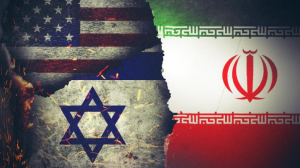
The fragile ceasefire between the United States and Iran is on the verge of total collapse as high-stakes diplomacy hits a dead end. Following the mutual rejection of draft agreements, Tehran has officially branded Washington’s demands as outright “surrender,” while alarming signals from Israeli Prime Minister Benjamin Netanyahu regarding a potential ground operation to extract Iranian uranium have escalated the risk of a broader regional war.
Hopes for a negotiated settlement to end the Middle East conflict have been severely dashed this week. The diplomatic deadlock over the strategic Strait of Hormuz and Iran’s nuclear program has paralyzed peace efforts mediated by Pakistan.
After reviewing the latest US proposal, Tehran submitted a counteroffer that US President Donald Trump swiftly rejected on social media, dismissing it as “totally unacceptable.” With the ceasefire now described by US officials as being “on life support,” defense analysts warn that the resumption of open, kinetic conflict is highly probable.
Tehran: “The US Proposal Means Surrender”
The rhetoric out of Tehran leaves little room for diplomatic maneuvering. Iranian state television (IRIB) officially stated that the US draft was rejected because it equated to “Iran’s surrender to Trump’s excessive demands.”
Instead of yielding, Iran has reportedly doubled down on its own strict conditions. According to Iranian Foreign Ministry spokesman Esmaeil Baqaei and state media, Tehran’s counter-proposal demands:
Full recognition of Iranian sovereignty and control over the Strait of Hormuz.
The immediate release of Iranian assets frozen in foreign banks due to US pressure.
War reparations from the United States for the damages incurred during the conflict.
An end to the US naval blockade on Iranian ports.
Netanyahu’s Provocation: A Ground Operation for Uranium?
While Washington and Tehran trade diplomatic rejections, Israel is threatening to escalate the conflict to an unprecedented level. In a recent interview, Israeli Prime Minister Benjamin Netanyahu insisted that the war is “not over yet” because the core threat remains intact.
“There’s still nuclear material, enriched uranium that has to be taken out of Iran. There are still enrichment sites that have to be dismantled,” Netanyahu stated. When pressed on how the enriched uranium could physically be removed from Iranian territory, Netanyahu delivered a stark response: “Go in and take over.”
This explicit signal of a potential joint US-Israeli military incursion or special forces operation to seize nuclear material represents a massive escalation in defense posture, shifting the threat from aerial bombardment to boots on the ground.
The Hormuz Chokepoint: Holding Global Energy Hostage
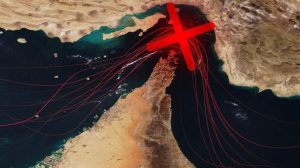
At the center of this geopolitical storm remains the Strait of Hormuz. Washington has made it clear that it will not tolerate Iran normalizing a system where it dictates who uses the international waterway and charges tolls for passage. The US Navy continues to blockade Iranian ports, while Iran restricts maritime traffic, effectively crippling a chokepoint through which 20% of the world’s oil flows.
In conclusion; The Iran-US diplomacy deadlock proves that neither side is willing to blink. With Tehran refusing to surrender its nuclear leverage and Hormuz control, and Israel pushing for a kinetic operation to extract uranium, the Middle East is rapidly moving past the point of diplomatic return.