
The Illusion of Winning: Two Leaders, One Trap, and the ‘Stubborn’ Diplomacy Shaking the World
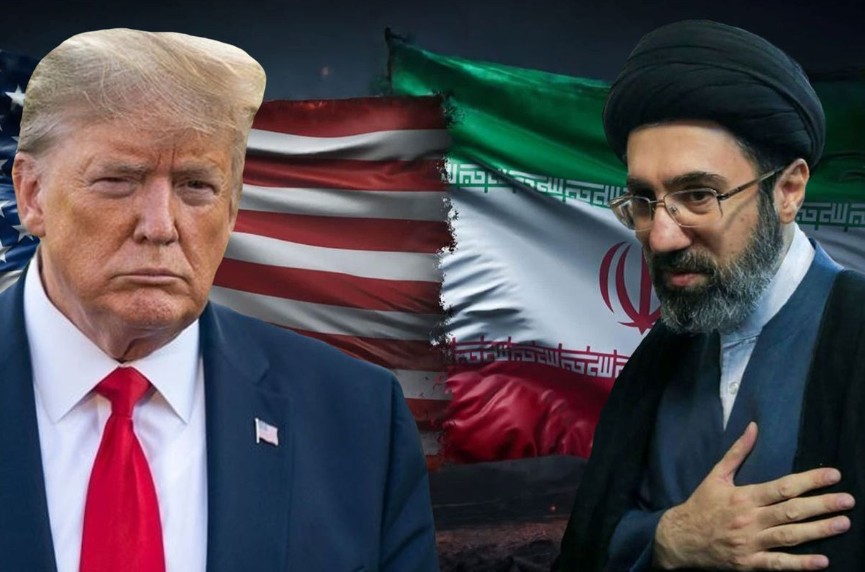
Donald Trump and Mojtaba Khamenei stand at the helms of two vastly different political systems, yet they find themselves trapped in the exact same geopolitical pit in the Middle East. As the Strait of Hormuz becomes the epicenter of a potential global crisis, the refusal to appear weak is driving both leaders toward a catastrophic clash.
One leader communicates by publishing carefully crafted statements without showing his face; the other never shies away from the cameras and fires off provocative social media posts at all hours. Despite their drastically different methods, Donald Trump and Mojtaba Khamenei are broadcasting the exact same message to the world: We are winning.
However, the reality on the ground tells a different story. Both leaders are caught in a massive strategic trap, paralyzed by the fear of looking weak to their respective domestic bases. This mutual inability to compromise is forcing them to package a dangerous military deadlock as a resounding victory.

Hostages to Domestic Politics: MAGA vs. IRGC Hardliners
For both leaders, making a concession carries an unbearable political price.
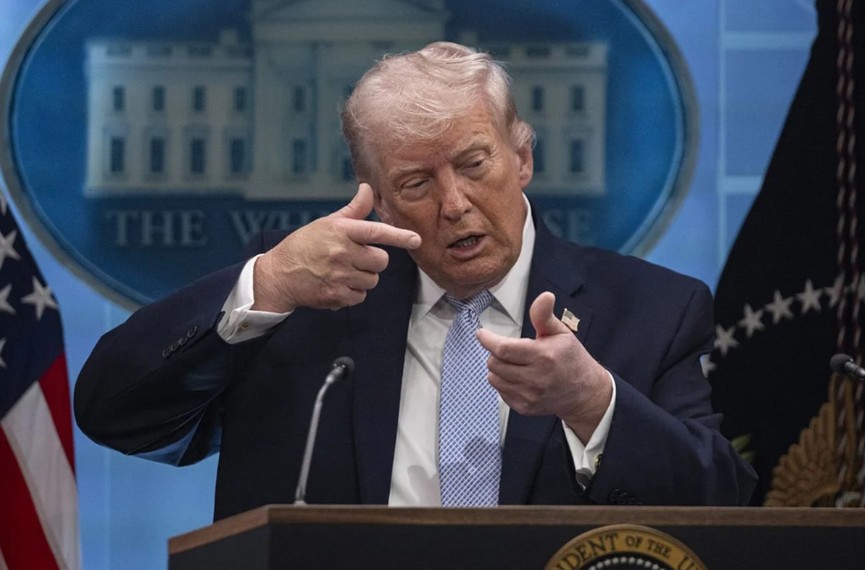
The Washington Perspective: Trump needs to prove that his “Operation Freedom” and the blockade of Iranian ports have successfully forced Tehran to surrender on the nuclear front. Stepping back without a clear, televised capitulation from Iran means looking weak to his MAGA (Make America Great Again) base, a risk he cannot take.
The Tehran Perspective: Khamenei, who assumed leadership in a highly volatile atmosphere following the assassination of his predecessor, desperately needs the support of the hardliners within the Islamic Revolutionary Guard Corps (IRGC). Accepting any US deal that resembles a compromise would shatter his political legitimacy among the exact factions keeping him in power.
The Cost of the Standoff: Reeling Markets and a $1 Billion Bill
Neither Trump nor Khamenei can publicly admit they need a diplomatic off-ramp, so they are willing to risk a global recession. The daily blockade of 21 million barrels of oil flowing through the Strait of Hormuz serves as an economic weapon of mass destruction.
While the US burns through nearly $1 billion a day maintaining its heavy naval presence in the region, Iran’s economy is in freefall. Millions have lost their jobs, and despite Iran’s recent 15-year nuclear halt proposal pitched through Pakistani mediators, Trump’s dismissal of the offer indicates that the “stubbornness diplomacy” will continue to drain both nations.
Losing Control: When Proxy Strikes Dictate Policy
The most alarming parallel between Trump and Khamenei is that both may be losing control over their own escalation strategies. When Iran strikes the UAE’s Fujairah port—bypassing the Strait of Hormuz entirely—it signals that IRGC commanders might be taking independent, rogue actions that severely limit Khamenei’s diplomatic options. Conversely, Trump’s fiery threats to “wipe them off the face of the earth” forces him into a corner where he must authorize military responses that go far beyond what his Pentagon advisors recommend.
Ultimately, the “illusion of winning” requires both sides to frame a disastrous standoff as a triumph of national will. But in a geopolitical game of chicken where backing down is equated with treason, the real casualty will be global security.