
US Seeks ‘Sovereign Territory’ for Three New Military Bases in Greenland to Counter Russia and China

In a bold geopolitical maneuver, the United States is holding closely guarded negotiations with Denmark to open three new military bases in southern Greenland. Strikingly, Washington has proposed that these facilities be designated as “US sovereign territory,” aiming to aggressively monitor and counter Russian and Chinese maritime activities in the strategic North Atlantic.
Following the diplomatic fallout from President Donald Trump’s previous threats to seize the Arctic island “the easy way or the hard way,” Washington has quietly shifted to high-level diplomacy. According to recent reports from the BBC and confirmed by multiple diplomatic sources, the US State Department is leading regular, under-the-radar talks with Danish and Greenlandic officials. The goal: to significantly expand the American military footprint in the Arctic.
Locking Down the GIUK Gap
The core of the US strategy revolves around the Greenland-Iceland-United Kingdom (GIUK) gap. This naval choke point is critical for any fleet attempting to enter the North Atlantic. By establishing three new bases in southern Greenland, the Pentagon intends to create an impenetrable surveillance net against two primary adversaries:
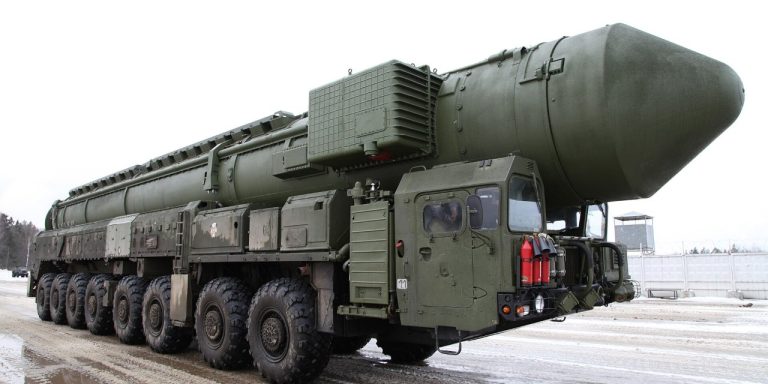
Russian Submarine Fleets: To track and deter Russia’s increasingly active Northern Fleet submarines attempting to slip into the Atlantic.
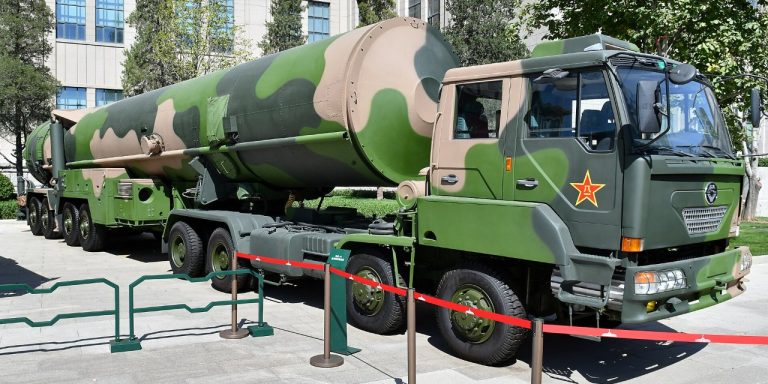
Chinese Arctic Ambitions: To monitor Beijing’s growing “Polar Silk Road” initiatives and naval expeditions, preventing China from establishing a foothold in the resource-rich and strategically vital region.
The ‘Sovereign Territory’ Dispute
While the 1951 defense pact between the US and Denmark already allows Washington to expand military operations (such as the existing Pituffik Space Base in the north), the current negotiations cross a new red line.
Sources familiar with the talks reveal that US officials have floated an arrangement to officially designate the three new bases as US sovereign territory. This unprecedented demand has reportedly met resistance. Greenlandic Prime Minister Jens-Frederik Nielsen, while confirming that negotiations have “taken some steps in the right direction,” has publicly rejected the idea of ceding territory.
A Cost-Effective Military Expansion?
To minimize financial and logistical hurdles, analysts suggest the new bases would likely be built on sites with existing infrastructure. One prime candidate is Narsarsuaq, the site of a former US military base that still houses a small airport. Upgrading existing ports and airfields allows the US to rapidly deploy maritime surveillance assets without the massive costs of starting from scratch in the harsh Arctic environment.
In conclusion; The push for new military installations in Greenland proves that the Arctic is no longer a peripheral theater. As Washington, Moscow, and Beijing race to control the frozen north, the US demand for sovereign military bases in Greenland marks a critical escalation in the global great power competition.