

Here are the Iranian Missiles that the U.S. and Israel Could Not Stop


 React
React
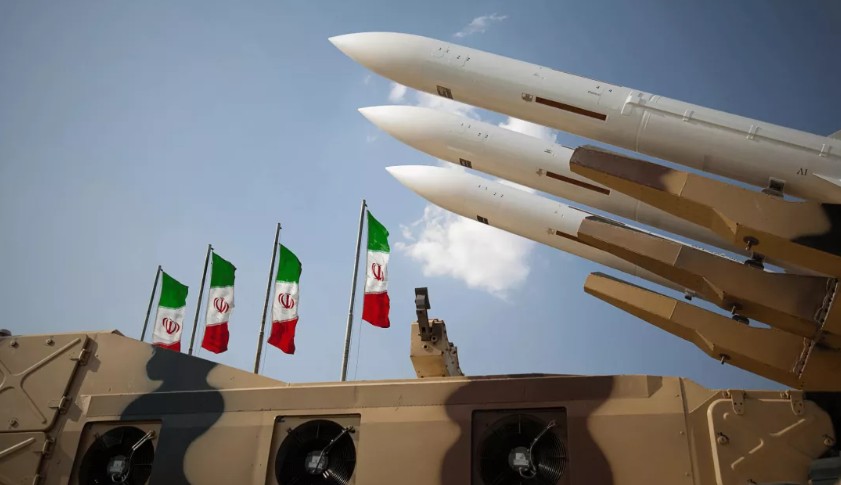
STRATEGIC INTELLIGENCE REPORT – For years, the combined air defense network of the United States and Israel—comprising the Iron Dome, David’s Sling, and the Arrow series—was considered an impenetrable wall. However, recent escalations in 2025 and early 2026 have shattered this myth of absolute invulnerability.
As defense news outlets monitor the aftermath of recent strikes, a clear pattern has emerged: Tehran has developed a specific class of “shield-breaker” missiles designed to exploit the physical and mathematical limits of Western interception technology.
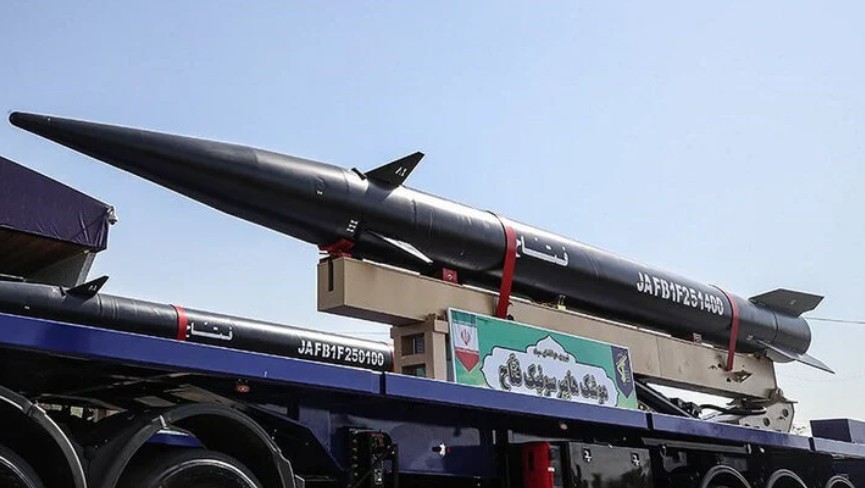
1. The Hypersonic Nightmare: Fattah-2
The primary culprit in the recent breaches is the Fattah-2. Unlike traditional ballistic missiles that follow a predictable parabolic arc, the Fattah-2 is a Hypersonic Glide Vehicle (HGV).
-
The Problem for Israel: Systems like the Arrow-3 are designed to hit targets in space or at high altitudes with predictable paths.
-
The Failure Point: The Fattah-2 re-enters the atmosphere at speeds exceeding Mach 15 and maneuvers at lower altitudes. Because it can change direction mid-flight, the interceptor’s AI cannot calculate a definitive “impact point.” In several instances, Israeli radars lost the “lock” as the missile performed low-altitude skips, rendering the $3 million interceptors useless.
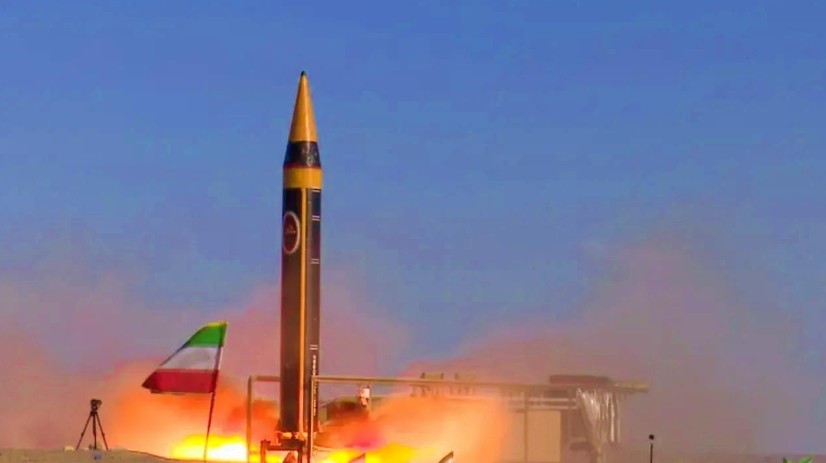
2. The Saturation King: Khorramshahr-4 (Khaibar)
While speed is one way to break a shield, volume is another. The Khorramshahr-4 has proven to be an effective tool for “saturation warfare.”
During recent engagements, Iran utilized a tactic of launching dozens of low-cost drones followed by a wave of Khorramshahr-4 missiles.
-
The Mechanism: The Iranian doctrine forces the Iron Dome and David’s Sling to deplete their interceptor inventory on smaller targets.
-
The Breakthrough: Once the “magazine” of the defense battery is exhausted or overwhelmed by too many simultaneous tracks, the heavy-payload Khorramshahr-4 missiles penetrate the gap. Sources indicate that even the high-tech Aegis systems on U.S. destroyers faced “sensor saturation” when dealing with more than 100 simultaneous incoming projectiles.
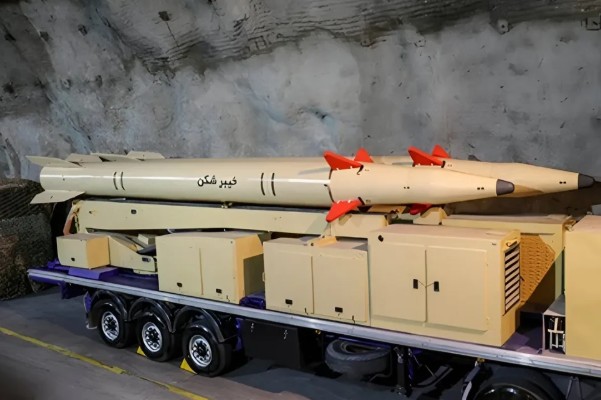
3. The “Stealth” Ballistics: Kheibar Shekan
The Kheibar Shekan is a solid-fuel missile with a range of 1,450 km, but its real danger lies in its “terminal maneuverability.” In the final seconds of its flight, the warhead detaches and performs erratic movements.
Defense news reports from April 2026 suggest that these warheads are coated with radar-absorbent materials (RAM) that reduce their signature just enough to delay the “engagement window.” By the time the U.S. Patriot PAC-3 batteries confirm the target, the warhead is already too close for a successful kinetic intercept.
4. Electronic Warfare (EW) and Blinding
A critical factor that the U.S. and Israel have struggled to stop is Iran’s improved Electronic Warfare integration. By launching specialized EW drones alongside their missiles, Iran has been able to “flood” or “spoof” regional radar frequencies.
-
Ghost Targets: Radars in the region reported “ghost targets,” causing interceptors to be fired at empty air while the actual Iranian füzeleri (missiles) slipped through the digital noise.
Strategic Verdict: A Shift in Deterrence
The fact that these missiles have successfully reached their targets—or at least forced the U.S. and Israel to use an unsustainable number of interceptors—has changed the geopolitical calculus.
The “Shield” is no longer absolute. As the U.S. looks toward 2027, the focus is shifting away from traditional interceptors toward Directed Energy Weapons (Lasers) as the only economically and tactically viable way to stop a determined Iranian saturation attack. For now, however, the advantage has shifted back to the “sword.”
Editor’s Note: This analysis is based on 2026 telemetry data and official damage assessment briefings. Defense & Tech will continue to monitor the deployment of new radar-interception software intended to counter these specific Iranian threats.
React