
Warning from Russia to Foreigners in Ukraine: Leave Kyiv Immediately as Systemic Strikes Loom
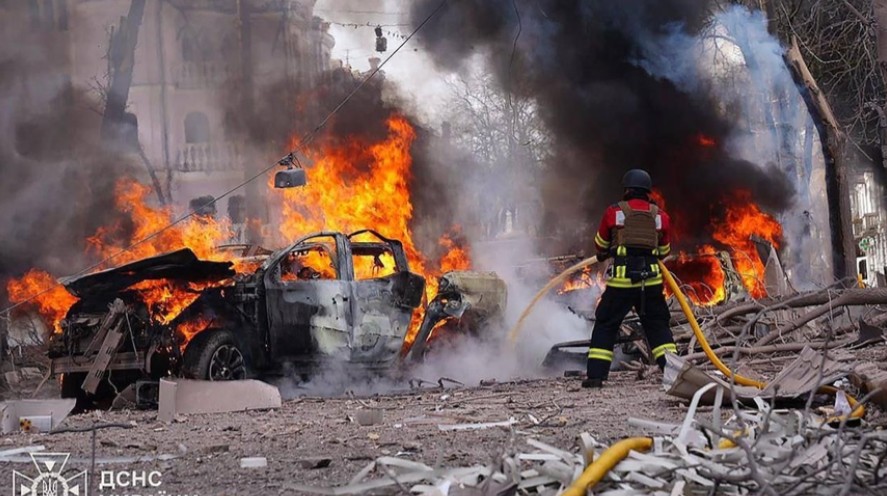
In a severe escalation of the conflict, the Russian Foreign Ministry has issued a direct warning for all foreign nationals and diplomatic personnel to leave Kyiv “as soon as possible.” Moscow signaled the initiation of “consistent and systemic strikes” targeting Ukraine’s defense-industrial complexes within the capital. This unprecedented diplomatic ultimatum follows a devastating weekend barrage involving 600 drones, 90 long-range missiles, and the combat deployment of the nuclear-capable “Oreshnik” Intermediate-Range Ballistic Missile (IRBM). What does this rapid escalation mean for the air defense architecture of Kyiv?
The Tactical Build-Up: A Multi-Domain Barrage
According to the latest UN Security Council briefings and OSINT tracking, the warning was preceded by one of the largest combined aerial assaults on Ukrainian territory to date. On the night of May 23-24, Russian forces unleashed a complex saturation attack designed to overwhelm Kyiv’s anti-ballistic capabilities.
| Weapon System | Estimated Quantity | Strategic Purpose |
| Kamikaze Drones | ~600 | Saturation of point-defense systems and exhaustion of interceptor stockpiles. |
| Cruise/Ballistic Missiles | ~90 | High-value infrastructure targeting (Iskander, Kinzhal, and Zircon variants). |
| Oreshnik IRBM | Confirmed Use | Striking heavily fortified targets and testing nuclear-capable delivery platforms. |
The most alarming aspect of this salvo was the deployment of the Oreshnik—an intermediate-range ballistic missile. While armed with a conventional payload in this instance, its use serves as a profound strategic message regarding Moscow’s willingness to utilize delivery systems originally designed for nuclear deterrence on the conventional battlefield.
The Strategic Objective: Dismantling the Defense Industry
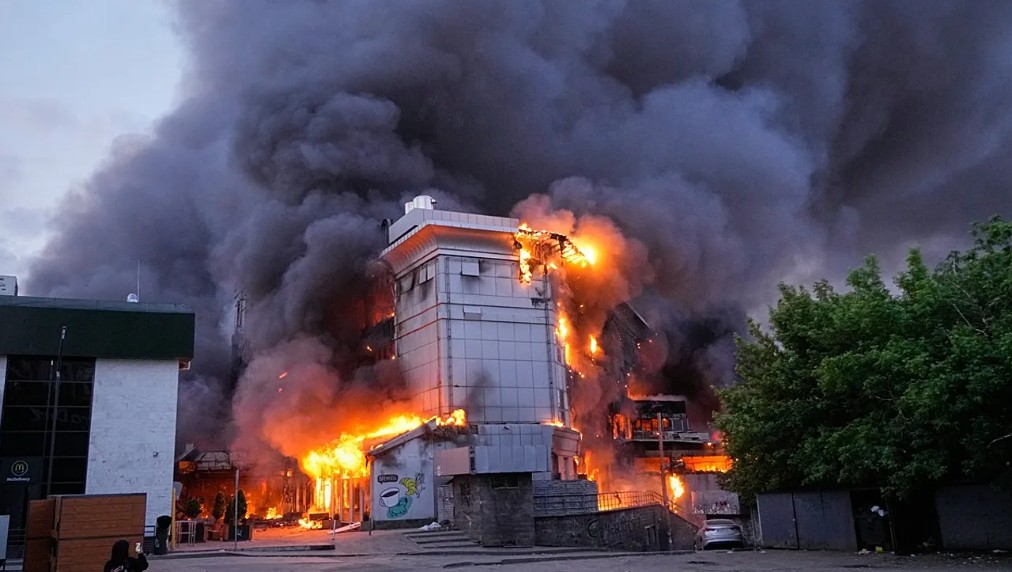
Moscow’s explicitly stated goal for the upcoming “systemic strikes” is the neutralization of Ukraine’s domestic military-industrial complex. As Ukraine has increasingly relied on indigenous drone manufacturing and Western tech-transfers to strike deep into Russian territory (including a recent drone attack in Starobilsk), Russia is now treating these scattered R&D and production facilities in Kyiv as primary military targets.
By publicly advising foreigners to abandon the city, Russia is attempting to establish a pretext of “fair warning” while simultaneously instilling panic and isolating the Ukrainian capital diplomatically. European Union officials and several ambassadors have already dismissed the warning, stating they will not evacuate their missions and setting the stage for a tense geopolitical standoff.
Straining the Anti-Ballistic Shield
The impending threat places an immense burden on Ukraine’s air defense network. The global shortage of anti-ballistic interceptors means that sustaining the defense of a sprawling metropolis like Kyiv against “consistent and systemic” IRBM and hypersonic strikes will require urgent, accelerated support from Western allies. If the Oreshnik is utilized in larger numbers, standard Western air defense batteries will face their most demanding operational test of the war.