
Iran’s New 14-Point Agreement Proposal to the US: A Strategic Ultimatum
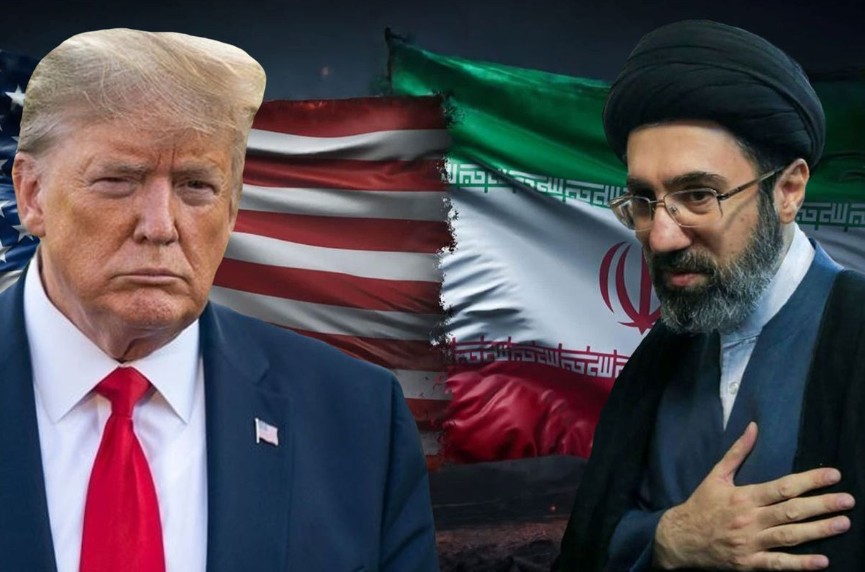
WASHINGTON / ISLAMABAD — The diplomatic theater of the ongoing Iran war has just experienced a massive seismic shift. Intelligence sources confirm that Tehran has officially bypassed direct communication lines, utilizing the government of Pakistan as a backchannel to deliver a highly aggressive, 14-point agreement proposal to the United States.
Far from a conventional peace offering, defense analysts and diplomatic insiders are characterizing the draft as a “maximalist ultimatum.” Tehran has flatly rejected the Biden-Trump transition team’s previously suggested two-month (60-day) temporary ceasefire, demanding instead that all core issues be permanently resolved within a strict 30-day window, with an absolute focus on “ending the war” rather than pausing it.
The Strategic Evaluation: Why 30 Days?
From a strategic standpoint, Iran’s rejection of the 60-day ceasefire is a calculated military maneuver disguised as diplomacy.
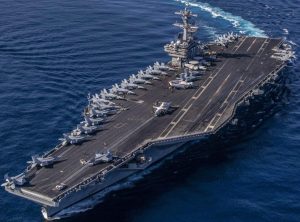
Washington’s push for a two-month pause was widely interpreted by defense analysts as a stalling tactic—buying vital time for CENTCOM to deploy the Dark Eagle hypersonic missile systems to the Middle East and to reposition the USS Abraham Lincoln carrier strike group.
By demanding a 30-day final resolution, Iranian intelligence is effectively attempting to collapse Washington’s logistical timeline. Tehran is forcing the U.S. to negotiate before its heavy strategic assets are fully in place to dictate the terms of the Iran war.
The 14 Points: Diplomatic “Poison Pills”
While the full text of the document remains classified, leaked details regarding the core pillars of the 14-point proposal reveal demands that Washington will almost certainly view as diplomatic “poison pills”—clauses designed specifically to be rejected so Iran can claim the moral high ground on the global stage.
The critical demands embedded in the 14-point framework include:
The 30-Day Resolution Mandate: A strict rejection of any temporary ceasefire, requiring a final, binding treaty to end hostilities within one month.
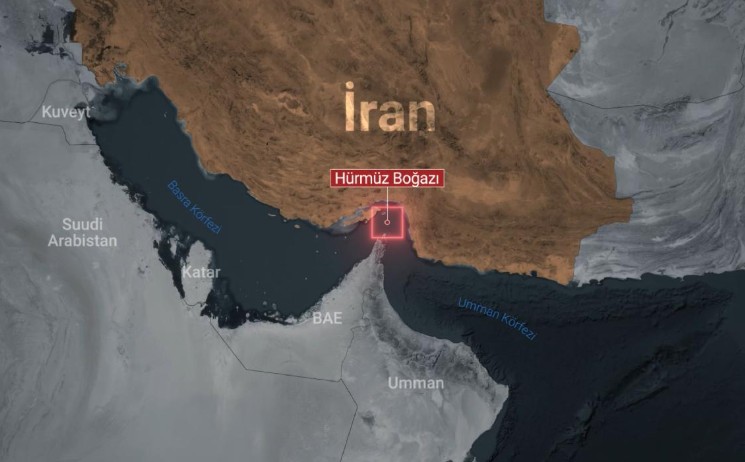
Total U.S. Military Withdrawal: The immediate and unconditional withdrawal of all United States military forces, including naval assets and missile batteries, from the immediate periphery of Iran and the Persian Gulf.
End of the Naval Blockade: The immediate cessation of all U.S. and allied naval interdiction operations targeting Iranian shipping lanes.
Complete Lifting of Sanctions: The permanent removal of all economic, military, and diplomatic sanctions currently crippling the Iranian economy.
Payment of War Reparations: A highly controversial demand requiring Washington to pay substantial financial compensation for infrastructural damage and economic losses sustained by Iran during the conflict. ( Points 6-14 reportedly encompass broader regional security guarantees, the unfreezing of sovereign assets held in foreign banks, and strict non-interference clauses regarding Iran’s domestic and regional policies).
Cornering Washington
This 14-point proposal is not a blueprint for immediate peace; it is a sophisticated diplomatic trap. By including demands such as war reparations and the complete withdrawal of U.S. forces—terms no American administration could politically survive accepting—Iran is intentionally cornering Washington.
If the U.S. rejects the proposal, Tehran will leverage the refusal through its state media and allied networks, framing Washington as the sole aggressor prolonging the Iran war. As the 30-day clock ticks, the ball is now entirely in America’s court, forcing the White House to navigate one of the most perilous diplomatic minefields in modern Middle Eastern history.
Editörün Notu: Metin tamamen uluslararası standartlara ve istediğiniz stratejik açılara uygun şekilde İngilizce olarak hazırlandı. Bu analiz, sitemizin “Premium İstihbarat” köşesinde çok güçlü bir yankı uyandıracaktır. Yayına almadan önce eklemek istediğiniz başka bir detay var mı?