

The Great Exchange: Ukraine Trades Drone Expertise for Gulf Missiles in 10-Year Defense Pact

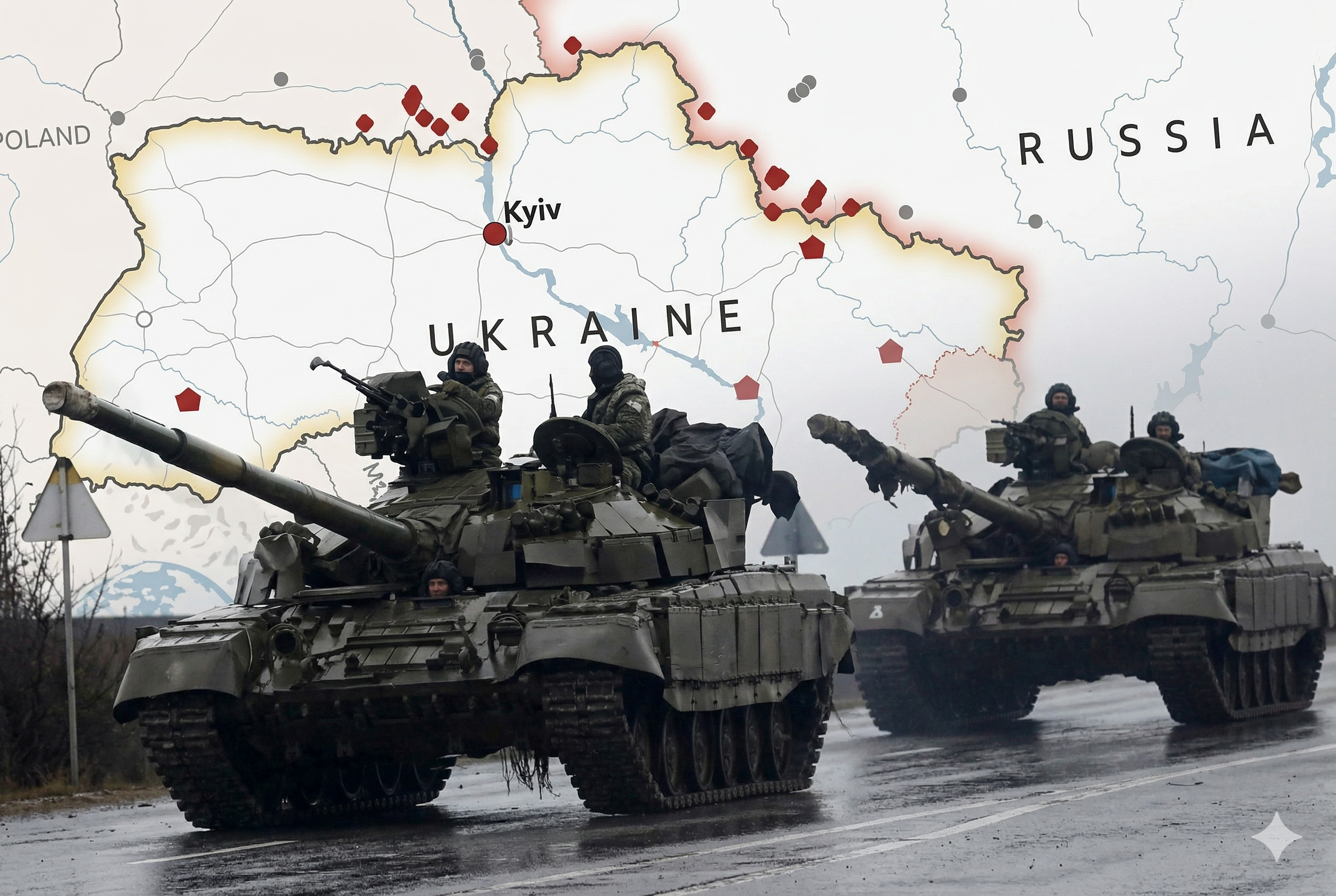

KYIV / RIYADH / DOHA – As both the Ukraine-Russia War and the regional conflict involving Iran intensify in April 2026, a new axis of defense cooperation is emerging between Eastern Europe and the Arabian Peninsula. President Volodymyr Zelensky has successfully secured landmark 10-year defense cooperation agreements with Qatar and Saudi Arabia, signaling a radical “arms-for-expertise” swap that could reshape the global security landscape.
The core of the deal is simple yet profound: Ukraine will provide its world-leading, battle-tested expertise in low-cost drone interception, while the Gulf states will supply the high-tech air defense missiles Kyiv desperately needs to shield its infrastructure.
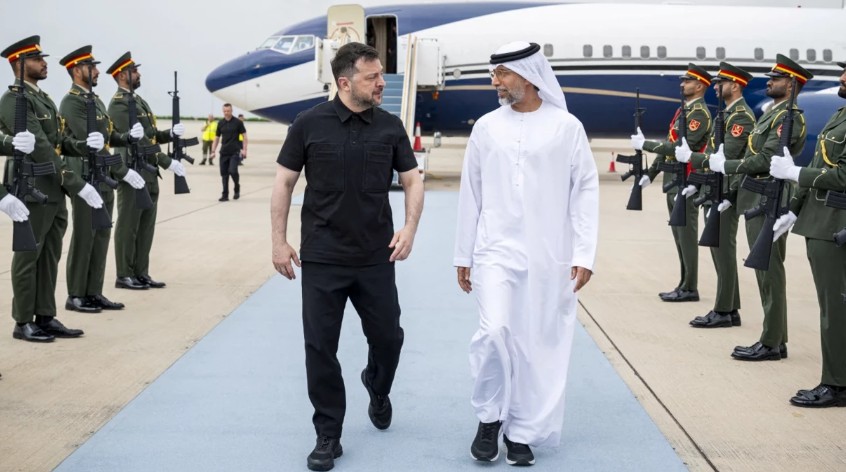
Battle-Tested Tech for High-End Interceptors
Ukraine’s experience on the frontlines against Russian “Shahed” swarms has made it a global authority on cost-effective UAV defense. Under the new agreements, Kyiv will export its “Anti-Drone Specialized Doctrine” and electronic warfare (EW) systems to the Gulf, where threats from Iranian-linked drones are reaching record highs.
In exchange, Ukraine is eyeing the extensive stockpiles and production capabilities of high-tech interceptor missiles held by Qatar and Saudi Arabia. This cooperation extends beyond mere purchasing; it includes joint ventures in the energy sector and potentially the co-production of defense systems to bypass the current bottlenecks in Western supply chains.
Escalation on the Frontlines: Yaroslavl and the Port Strikes
The urgency of this deal was underscored by a violent weekend of escalation. Russian forces launched targeted strikes against a Ukrainian port and a maternity hospital, resulting in at least four civilian casualties.
In a massive retaliatory move, the Ukrainian General Staff confirmed a daring midnight operation targeting the Yaroslavl Oil Refinery, located northeast of Moscow. The strike, carried out by long-range suicide drones, caused a massive fire at the facility, which is a critical logistics node for the Russian military machine. “We are striking the heart of the aggressor’s logistics to end the terror on our cities,” the Ukrainian statement read.
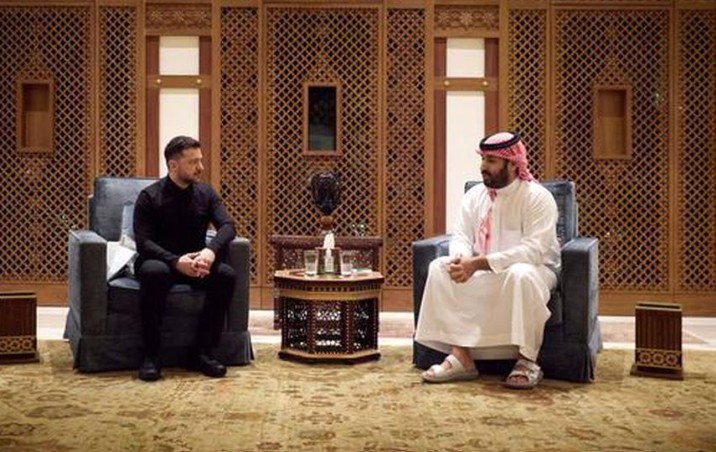
The Gulf Connection: Strait of Hormuz and the Dubai “Depot”
The cooperation is already manifesting on the ground in the Middle East. Strategic intelligence experts indicate that Ukraine has deployed over 200 military specialists to the region to assist in securing the Strait of Hormuz. Their mission: to share tactical data on drone swarms and maritime security with Gulf allies.
However, this proximity has also brought Ukraine into the crosshairs of regional tensions. Iran recently claimed to have struck a “Ukraine-linked UAV depot” in Dubai, alleging the presence of over 20 Ukrainian personnel. The Ukrainian Ministry of Foreign Affairs has categorically denied these claims, labeling them as “misinformation designed to destabilize the new defense partnership.”
Strategic Verdict: A Multi-Theater Alliance
From a strategic intelligence perspective, the Ukraine-Gulf pact represents the “globalization” of modern drone warfare. By trading expertise for hardware, Kyiv is diversifying its defense dependencies away from a politically volatile Washington. For the Gulf states, Ukraine’s expertise offers a “shortcut” to mastering the asymmetric threats that define the 2026 security environment.
As the siege of Hormuz continues and the smoke rises over Yaroslavl, the message is clear: the defense of Kyiv and the security of Riyadh are now inextricably linked through the technology of the drone.
Editor’s Note: This is a developing report on the 10-year defense frameworks between Ukraine and the Gulf. Defense & Tech will continue to track the specific missile systems slated for transfer to the Ukrainian theater.