

THE TEHRAN MANIFESTO: DECODING IRAN’S 5 CONDITIONS TO END THE GLOBAL CONFLICT

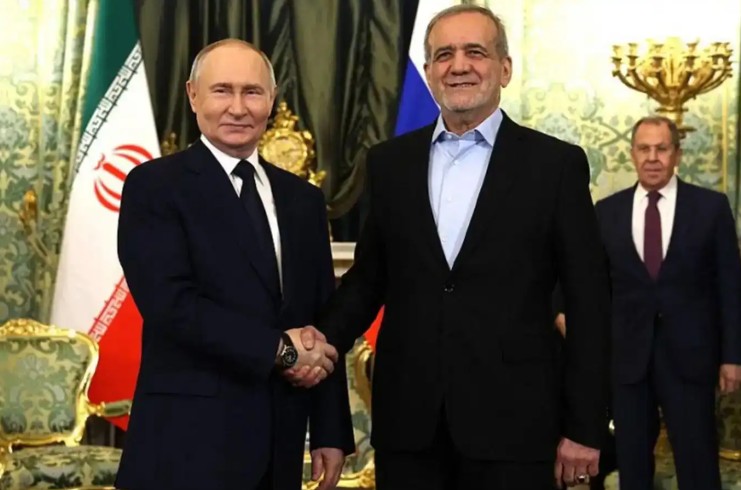

GLOBAL STRATEGY DESK — As the conflict involving Israel, the U.S., and Iran reaches a fever pitch, Tehran has officially drawn its “red lines.” According to senior officials and diplomatic sources in Moscow, Iran has rejected Washington’s 15-point proposal, counter-offering a 5-point ultimatum for a permanent ceasefire. This move shifts the diplomatic burden back to the White House, forcing a choice between a prolonged regional war or a strategic retreat from decades of Middle Eastern policy.
The Verified 5 Conditions: What is Iran Truly Asking For?
Based on recent diplomatic statements, the finalized list of Tehran’s demands is as follows:
-
Immediate Cessation of Aggression & Assassinations: A complete halt to all military strikes and “extrajudicial killings” (referring to the high-profile assassinations at the start of the conflict).
-
Ironclad Guarantees Against Recurrence: The establishment of international legal mechanisms to ensure that the war is not “re-imposed” on Iran in the future.
-
Comprehensive War Reparations: Guaranteed and clearly defined payment for all damages caused to Iranian infrastructure and its economy during the conflict.
-
End of Hostilities Across All Fronts: A ceasefire that includes not just Iran, but all “Resistance Front” groups (Hezbollah, Houthis, etc.) across the region.
-
Sovereignty Over the Strait of Hormuz: International recognition of Iran’s right to exercise full authority over the Strait of Hormuz as a guarantee for the implementation of the agreement.
Deep Analysis: What Does This Mean for Global Security?
1. The “Hormuz” Paradox
The 5th condition is the most explosive. By demanding recognized control over the Strait of Hormuz, Iran is effectively asking for the “keys to the world’s energy cellar.” For the U.S. and Europe, this is a bitter pill; however, with global oil prices at record highs, some analysts argue that a “managed” Hormuz under treaty is better than a “closed” one under fire.
2. Reparations: A Diplomatic Deadlock?
Demanding “war damages” from the U.S. and Israel is a massive psychological and financial hurdle. In international law, paying reparations is often seen as an admission of being the “aggressor.” If the West agrees, it would mark a historic shift in the narrative of Middle Eastern interventions.
3. The “All Fronts” Clause
By including its regional proxies in the ceasefire, Iran is cementing its role as the “Regional Hegemon.” This ensures that Israel cannot stop fighting Iran while continuing to strike Hezbollah or the Houthis. It is an “all-or-nothing” strategic package.
Verdict: Is Peace Possible?
While the 5 conditions seem “maximalist,” they are a classic opening gambit in high-stakes diplomacy. Iran is essentially saying: “We will not negotiate on Trump’s terms; we will only negotiate on our survival.” For the DefenseAndTech community, the key takeaway is the shift from kinetic warfare to Legal and Economic Warfare. The coming weeks will determine if the “God of War” will finally yield to the “Architects of Diplomacy.”