
TRUMP’S HORMUZ ULTIMATUM: A NEW ERA OF “TRANSACTIONAL” DEFENSE

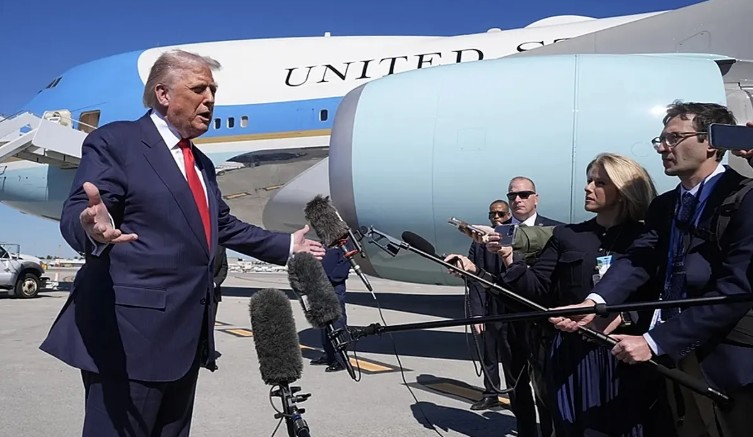

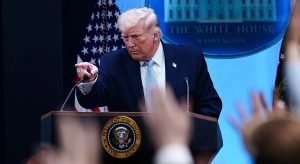
GLOBAL ANALYSIS DESK — In a move that has sent shockwaves through NATO headquarters, U.S. President Donald Trump has issued a stark ultimatum to European allies: Join the coalition to reopen the Strait of Hormuz, or face a complete cutoff of military aid to Ukraine. This “transactional” approach to global security marks a historic pivot in U.S.-European relations, forcing Brussels to choose between its continental security and its strategic interests in the Middle East.
The Core of the Crisis: Why Hormuz?
The Strait of Hormuz is the world’s most critical energy chokepoint, with nearly 20% of global oil passing through its narrow waters. Following recent escalations between the U.S., Israel, and Iran, the waterway has been effectively closed, sending global energy prices skyrocketing and fueling inflation across the West.

The Threat: Cutting the PURL Lifeline
Trump’s threat specifically targets the Prioritised Ukraine Requirements List (PURL)—a NATO-coordinated weapons procurement mechanism funded by European nations but heavily reliant on U.S. logistics and high-tech supply chains.
-
The Implication: Without U.S. support for PURL, Ukraine’s defense against Russia could lose its most vital source of advanced air defense and long-range artillery within weeks.
-
The “Coalition of the Willing”: Trump is demanding that European navies (specifically France, Germany, and the UK) deploy their surface combatants to “unblock” the strait, a move European capitals have resisted, calling it “not our war.”
What Happens Next? (Analysis of the Consequences)
1. The Risk of a NATO Schism
Europe views Ukraine as an existential threat to its own borders. By tying Ukraine’s survival to a Middle Eastern conflict, Trump is testing the very fabric of the North Atlantic Alliance. French President Emmanuel Macron and German Chancellor Friedrich Merz have already signaled that Europe cannot be “forced” into a conflict it did not start.
2. The Acceleration of “European Strategic Autonomy”
This ultimatum will likely accelerate Europe’s move toward independent defense production. If the U.S. is no longer a reliable “security guarantor,” European nations may stop buying American and start investing heavily in their own Future Combat Air Systems (FCAS) and local missile defense.
3. Russia’s Opportunistic Advantage
The Kremlin is the primary beneficiary of this friction. Any delay or halt in weapons shipments through the PURL mechanism would allow Russian ground forces to exploit gaps in Ukraine’s air defense, potentially shifting the frontlines significantly.
Technical Defense Perspective: “The Sea Drone Factor”
Interestingly, Ukraine’s President Zelenskyy has offered a middle ground: sharing Ukraine’s successful Maritime Drone Technology to help unblock the strait in exchange for continued aid. This highlights a shift where “Asymmetric Naval Tech” developed in the Black Sea is now a valuable currency in the Persian Gulf.