

The Ultimate Threat: Are Biological Weapons Now More Dangerous Than Nukes?
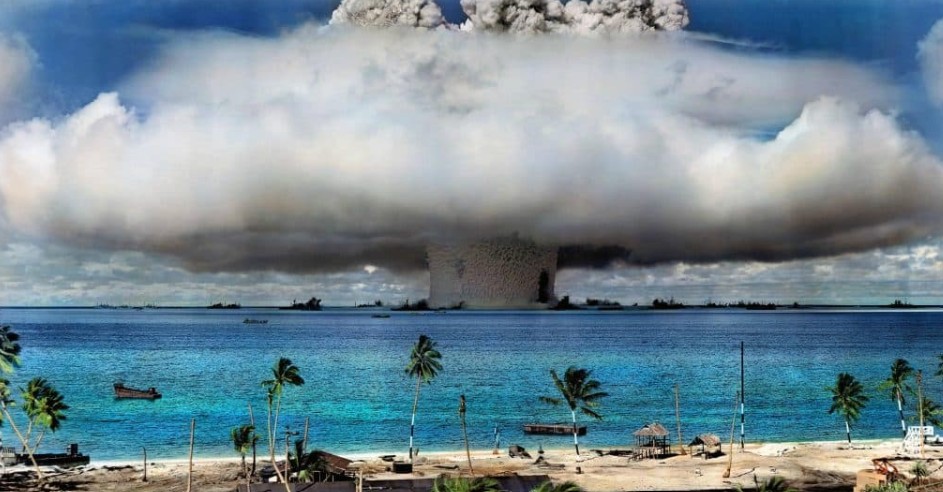
WASHINGTON — For over three-quarters of a century, the towering mushroom cloud has stood as the universal symbol of existential dread. The threat of nuclear annihilation has defined global geopolitics, dictated defense budgets, and shaped the diplomatic architecture of the modern world.
However, behind closed doors at the Pentagon and within the corridors of global intelligence agencies, defense analysts are increasingly shifting their focus toward a quieter, invisible, and far more insidious danger: biological weapons.
As rogue states and extremist organizations seek ways to bypass the traditional military supremacy of global superpowers, the debate among security experts has evolved. The question is no longer just how to stop a nuclear launch, but whether the “silent assassin” of bioterrorism has already surpassed the nuclear warhead as the globe’s most dangerous asymmetric threat.
The Nuclear Reality: The Immediate Annihilator
The sheer terror of a nuclear weapon lies in its absolute, overt, and immediate kinetic destruction. A single modern warhead is capable of vaporizing a metropolitan center in milliseconds, followed by a devastating shockwave, continent-altering firestorms, and decades of lethal radiation fallout.
Yet, from a strategic standpoint, the immense power of a nuclear arsenal is precisely what keeps it holstered.
The Ultimate Barrier to Entry: Building a reliable nuclear weapon is incredibly difficult. It requires billions of dollars in funding, massive and highly visible industrial infrastructure, access to highly enriched uranium or plutonium, and years of detectable testing. Consequently, nuclear weapons remain almost exclusively the domain of sovereign nation-states.
The Doctrine of Deterrence: Under the Cold War-era doctrine of Mutually Assured Destruction (MAD), any state that launches a nuclear strike guarantees its own immediate annihilation. There is no hiding a launch; satellite early-warning systems track the origin of an intercontinental ballistic missile (ICBM) instantly, triggering an inevitable counter-strike.
The Biological Threat: The Silent Assassin
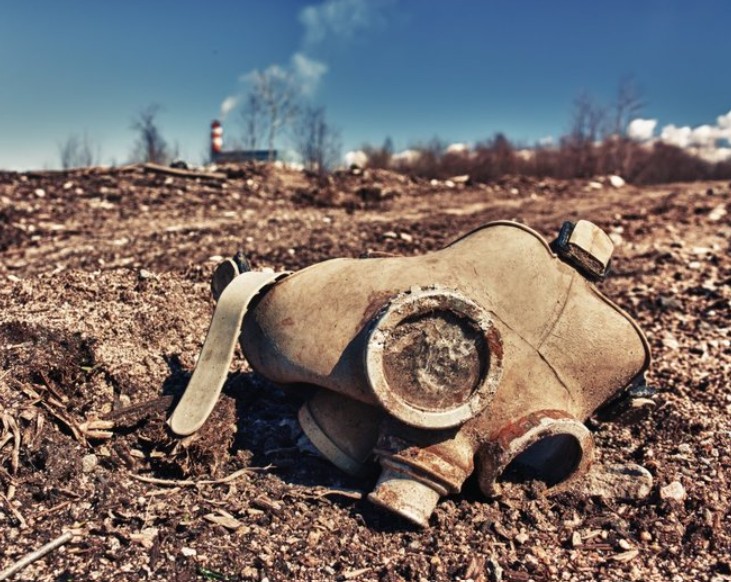
In stark contrast, biological weapons—microorganisms such as viruses, bacteria, or fungi engineered to cause mass disease—target the very foundation of a society: human life, healthcare networks, and the global economy. They do not destroy bridges or melt steel; they quietly paralyze nations.
Intelligence experts point to three critical factors that elevate biological weapons to the apex of the modern threat matrix:
The “Poor Man’s Nuke”: Unlike highly monitored nuclear programs, biological weapons are terrifyingly cheap and easy to conceal. A lethal pathogen can be weaponized in a small, commercial-grade laboratory for a fraction of the cost of a missile program. Furthermore, the equipment used is “dual-use,” meaning the exact same tools required to manufacture life-saving vaccines can be covertly utilized to engineer bioweapons.
The Shield of Plausible Deniability: This remains the greatest strategic advantage of a biological attack. If a highly contagious virus begins spreading rapidly through a major financial hub, it can take international health organizations months or years to determine if it was a naturally occurring zoonotic mutation or a deliberate act of state-sponsored sabotage. This lack of immediate attribution makes retaliation nearly impossible during the critical early stages of an outbreak.
The Uncontrollable Variable: Unlike a calculable nuclear blast radius, a biological weapon does not respect national borders. A highly contagious, laboratory-engineered pathogen could easily blow back and infect the attacking nation, leading to an uncontrollable global pandemic that no military can contain.
The Final Assessment
If “dangerous” is defined strictly by sheer, instantaneous physical destruction, nuclear weapons remain the undisputed apex predator of human conflict.
However, if “dangerous” is defined by the likelihood of actual use and the complexity of defending against it, intelligence communities are increasingly arriving at a chilling consensus: biological weapons represent the greater, more immediate asymmetric threat in the 21st century.
The barriers to acquiring nuclear weapons remain incredibly high. Conversely, the rapid rise of synthetic biology, gene-editing technologies like CRISPR, and the drastically lowered cost of biological engineering mean that rogue actors could soon possess the power to trigger a catastrophic global crisis—all without ever triggering an early-warning radar.