How Strong Is Taiwan’s Military in 2026?
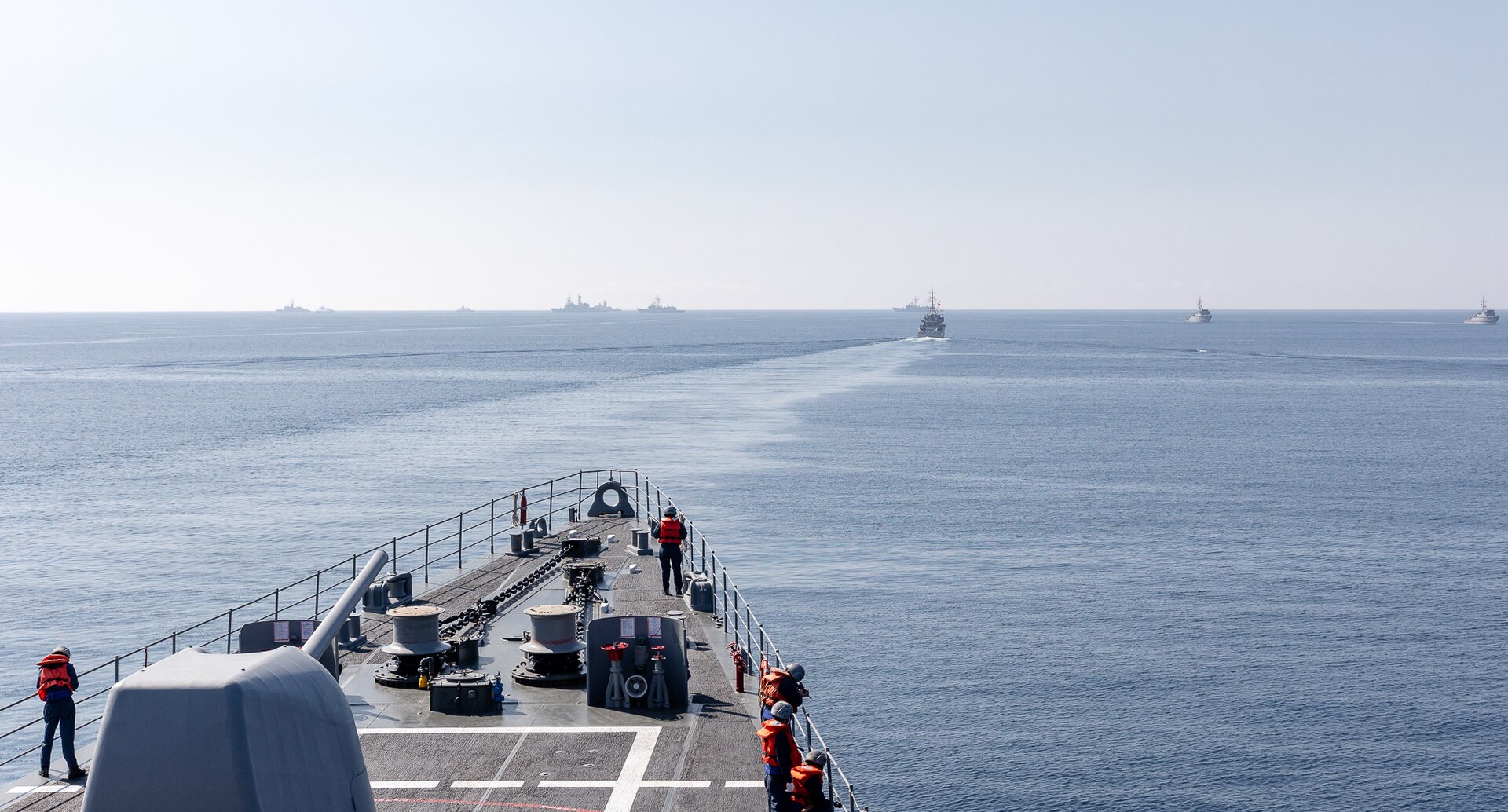
No military on earth prepares for a single threat as intensely as Taiwan’s. Facing a People’s Liberation Army many times its size just 130 kilometres across the Taiwan Strait, Taipei’s goal is not to win a war but to make an invasion too costly to attempt. Here is how strong Taiwan’s armed forces are in 2026.
- SIPRI: about $18.2 billion spent in 2025
- Global Firepower 2026 rank: 22nd
- One-year conscription restored in 2024
- About $40 billion special budget proposed in late 2025
- Strategy built on mobile, survivable “porcupine” weapons
Budget: spending more, fast
SIPRI estimates Taiwan spent about $18.2 billion on its military in 2025. President Lai Ching-te has promised to push defence spending above 3 percent of GDP and toward 5 percent by 2030, and in late 2025 the government proposed a special budget of roughly $40 billion over several years for air defence, drones and munitions. How much of it the opposition-controlled legislature approves remains a key political battle.
Manpower and readiness
Taiwan’s active forces number roughly 150,000 to 170,000, backed by a large reserve. In 2024 compulsory service was extended from four months back to one year, and training has been reshaped around lessons from Ukraine. The annual Han Kuang exercise has grown longer and more realistic, with units practising dispersal, night operations and defending beaches and cities. Global Firepower ranks Taiwan 22nd in 2026.
Air power and air defence
The air force flies upgraded F-16V fighters and is receiving new F-16 Block 70s, alongside Mirage 2000s and the domestic Ching-kuo fighter. Air defence is layered: Patriot PAC-3 MSE, the domestic Tien Kung III (Sky Bow) and NASAMS for longer ranges, and Stinger and short-range systems lower down. The proposed “T-Dome” project aims to tie these into a more integrated shield.
The porcupine strategy
Instead of trying to match China ship for ship, Taiwan is investing in large numbers of mobile, hard-to-target weapons. These include truck-mounted Harpoon and Hsiung Feng anti-ship missiles, HIMARS rocket launchers, Javelin and TOW anti-tank missiles, loitering munitions and naval mines. M1A2T Abrams tanks strengthen the army’s armoured reserves, while a growing domestic drone industry is meant to supply thousands of uncrewed systems.
Navy and the Hai Kun submarine
The navy’s most ambitious project is the Hai Kun, Taiwan’s first domestically built submarine. It has faced delays during sea trials, but if successful it would lead to a small fleet able to threaten Chinese ships around the island. Fast missile boats and new corvettes complement older frigates.
Strengths and weaknesses
Taiwan’s strengths are geography, a strong technology sector, US support and increasingly realistic training. Its weaknesses are manpower shortages, delayed US arms deliveries, political divisions over spending and the sheer scale of the PLA. Taiwan cannot match China, but every new missile, drone and trained reservist raises the price of an attack, and that is the whole point of its strategy.
Featured image: Wang Yu Ching / Office of the President (中華民國總統府) / CC BY 2.0, via Wikimedia Commons