Type 212CD vs KSS-III – Submarine Comparison and Verdict
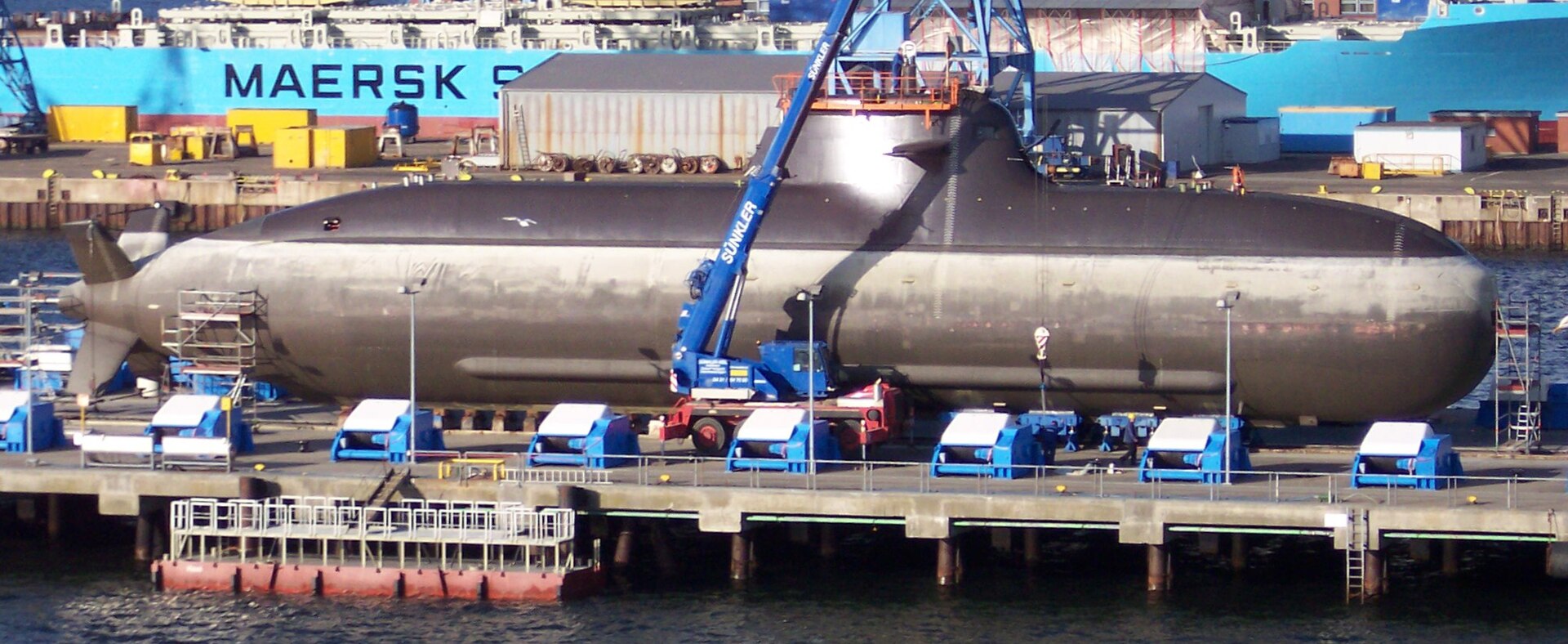
In the Type 212CD vs KSS-III matchup, Germany and Norway’s fuel-cell Type 212CD is a stealth-focused boat of roughly 2,800 tonnes, while South Korea’s KSS-III is a larger, missile-armed boat of 3,300 to 3,600 tonnes or more. They represent two different ideas of what a conventional submarine should do.
Type 212CD vs KSS-III specifications
The Type 212CD, built by TKMS for Germany and Norway, is an evolution of the earlier Type 212A. The KSS-III, or Dosan Ahn Changho class, is a South Korean design built by Hanwha Ocean and Hyundai Heavy Industries. Both carry heavy torpedoes and use air-independent propulsion, but their design goals differ.
| Feature | Type 212CD | KSS-III |
|---|---|---|
| Builder | TKMS (Germany) | Hanwha Ocean and HD Hyundai (South Korea) |
| Users | Germany, Norway | South Korea |
| Submerged displacement | About 2,800 t | About 3,358 t (Batch I), about 3,600 t (Batch II) |
| Length | About 73 m | About 83.5 m (Batch I), about 89 m (Batch II) |
| Propulsion | Diesel-electric with fuel-cell AIP | Diesel-electric with AIP (Batch I), lithium battery emphasis later |
| Torpedo tubes | 6 x 533 mm | 6 x 533 mm |
| Vertical launch cells | None | 6 (Batch I), 10 (Batch II), reported |
| Land-attack or ballistic missile | Not standard | Submarine-launched ballistic missile capable, reported |
| Hull | Non-magnetic steel, X-rudder | Steel, X-rudder, larger hull |
How is the Type 212CD different
The 212CD, where CD stands for Common Design, is a joint German-Norwegian program. It is larger than the 212A, has a new X-shaped stern control arrangement, improved sensors and more efficient fuel cells, and is optimized for quiet, long submerged patrols in the North Atlantic and Baltic. Its non-magnetic hull reduces the chance of detection by magnetic sensors, which matters for air-independent propulsion boats that spend weeks submerged.
Norway ordered four boats and Germany initially two, and Germany has since expanded its buy. Deliveries are scheduled to begin later this decade, with the program intended to share maintenance and training between the two navies. The 212CD has no vertical missile cells in its standard form, because its role is sea control and anti-submarine and anti-ship warfare, rather than strategic strike.
What makes the KSS-III special
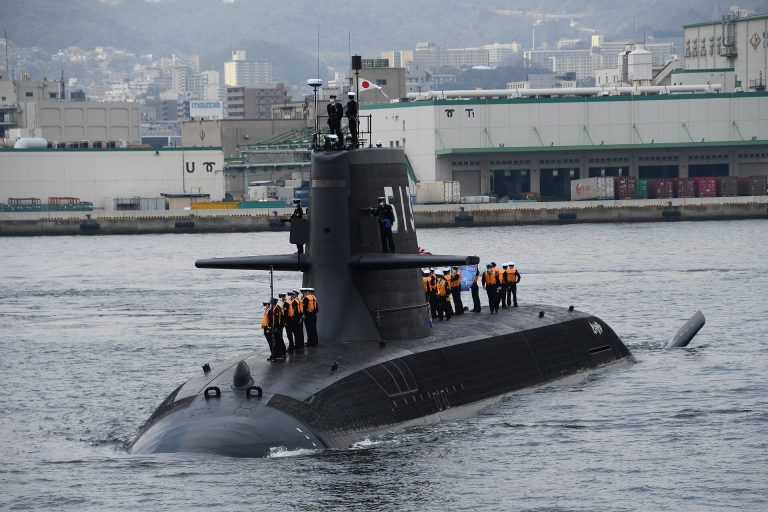
The KSS-III is bigger and more heavily armed. Batch I boats have vertical launch cells for ballistic and cruise missiles, and Batch II extends the hull to carry more. South Korea reportedly uses the class as a conventional-strike and deterrence platform against North Korea, including a submarine-launched ballistic missile. Later batches are expected to add lithium-ion batteries, which improve underwater speed and endurance.
The class has also grown out of South Korea’s shipbuilding strength. Our top 10 attack submarines ranking discusses how conventional designs compare with nuclear boats, and the KSS-III has drawn export attention as a possible bid for programs abroad.
Sensors and combat systems also differ. The 212CD uses a German-developed sonar suite and Atlas Elektronik command system, along with heavyweight DM2A4 torpedoes, and it is designed for close cooperation with allied patrol aircraft and frigates. The KSS-III uses a Korean combat system and locally made sonar, along with the Hong Sang Eo torpedoes and, for some boats, long-range missiles. Each navy built its submarine around a specific threat picture, so direct comparisons should be read carefully.
Cost is another factor. Norway and Germany negotiated a large joint purchase to hold down prices, while South Korea has built its boats in series at domestic yards, which reduces unit costs. Public price figures for both programs vary by source and currency, so this article does not quote a single number.
Which submarine is better
There is no single answer. For a navy operating in confined northern waters and needing maximum stealth at low speed, the 212CD is arguably the better tool. For a navy that wants a long-range, missile-armed conventional boat and a strong strike role, the KSS-III has more capability. Endurance figures are builder claims, and neither class has yet been tested in combat.
| Mission | Better fit | Reason |
|---|---|---|
| Quiet barrier patrol | Type 212CD | Fuel cell AIP and non-magnetic hull |
| Land attack and deterrence | KSS-III | Vertical launch cells |
| Anti-submarine hunting | Type 212CD | Sensor and quieting focus |
| Export flexibility | Both | Each has active marketing campaigns |
Type 212CD vs KSS-III frequently asked questions
Which countries operate the Type 212CD?
Germany and Norway are the only customers so far.
Is the KSS-III a nuclear submarine?
No. It is a diesel-electric submarine with air-independent propulsion in some batches.
How many torpedo tubes does the KSS-III have?
It has six 533 mm torpedo tubes, plus vertical launch cells for missiles.
Which is larger, Type 212CD or KSS-III?
The KSS-III is larger, at roughly 3,300 to 3,600 tonnes submerged versus about 2,800 tonnes.
Who builds the KSS-III?
Hanwha Ocean and HD Hyundai Heavy Industries build the boats in South Korea.
- TKMS and Hanwha Ocean product literature
- Defense Acquisition Program Administration (South Korea) public material
- Wikipedia – Type 212CD and Dosan Ahn Changho class (accessed October 2026)
- Defence & Tech reporting