Ukrainian Armor Company Profile, Vehicles and Role in Ukraine’s Defense Industry
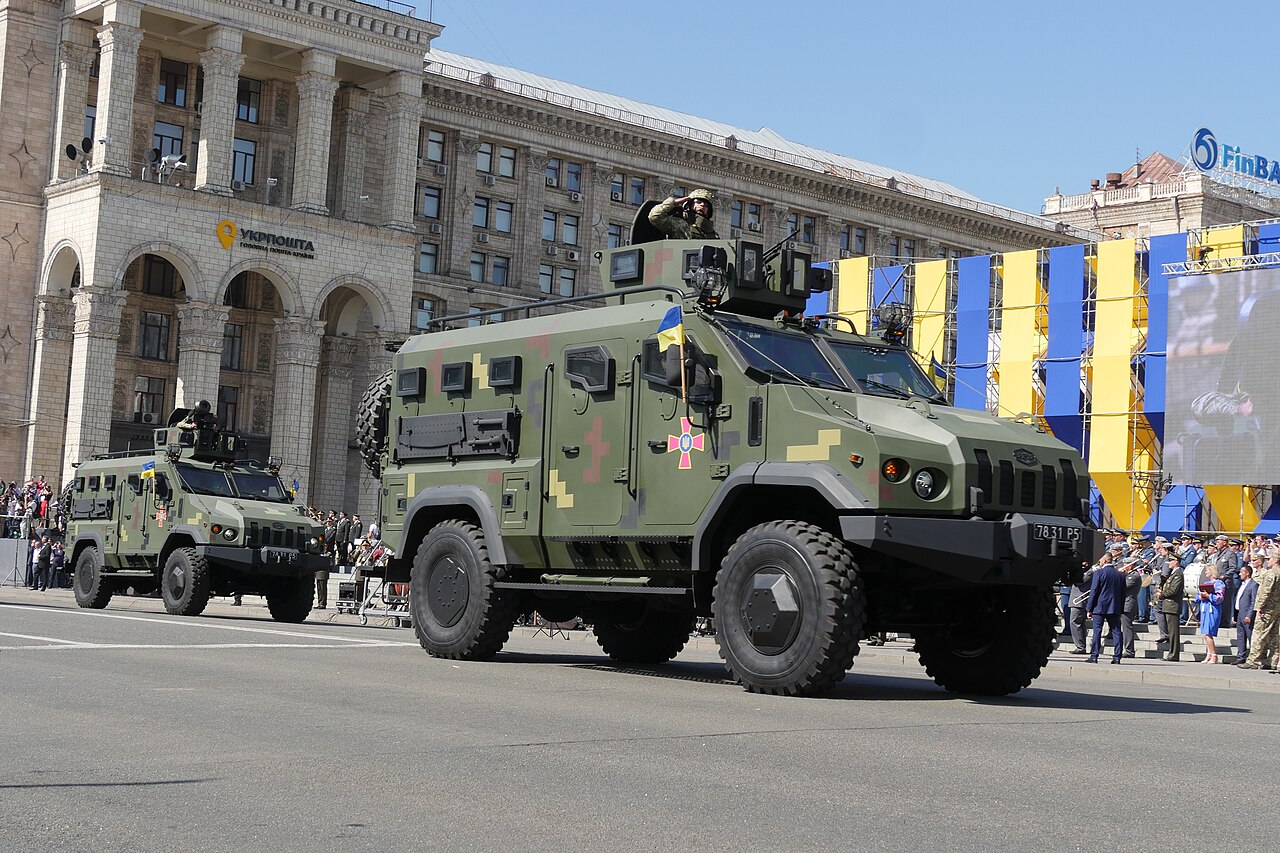
Ukrainian Armor is a Kyiv-based private manufacturer of 4×4 armored vehicles, best known for the Varta and Novator family of mine-protected patrol vehicles supplied to Ukrainian forces. Detailed company data is limited, so this profile sticks to what is publicly documented and flags where figures are reported rather than confirmed.
What is Ukrainian Armor
| Item | Detail |
|---|---|
| Base | Kyiv, Ukraine |
| Type | Private manufacturer of wheeled armored vehicles |
| Best-known products | Varta (Novator) 4×4 armored patrol vehicle and related variants |
| Customers | Ukrainian armed forces and security services; foreign interest reported |
| Disclosure | Limited; no audited revenue or headcount is widely published |
| Sector context | One of many private firms that entered Ukraine’s defense industry after 2014 |
The firm is a good example of how Ukraine’s defense industry changed after 2014. For years the sector was dominated by the state holding described in our Ukroboronprom profile. The war in Donbas, and later the 2022 invasion, pulled private companies into armored vehicle production because the army needed large numbers of protected vehicles quickly and state plants could not supply them all.
Ukrainian Armor vehicles
| Type | Role | Notes |
|---|---|---|
| Varta / Novator 4×4 | Armored patrol and troop transport | Mine-protected hull, used by Ukrainian units; protection levels are manufacturer claims |
| Command and communications variants | Staff and signals use | Reported configurations on the same chassis |
| Medical and utility versions | Evacuation and logistics | Reported, availability varies |
The Varta and related vehicles belong to a class known as MRAPs, or mine-resistant ambush-protected vehicles. The idea, refined in Iraq and Afghanistan, is to lift the crew away from the ground with a V-shaped hull so that mine and improvised-bomb blasts are deflected. Ukrainian conditions add extra demands: artillery splinters, drones overhead and long off-road distances. A comparable Turkish story is covered in our Otokar profile.
Who owns Ukrainian Armor
The company is privately held. Ownership details are not widely published, and readers should rely on Ukrainian business registries for the current structure. That matters because several Ukrainian defense firms have changed hands or merged since 2022, and some joint ventures with foreign partners have been set up to protect production from Russian strikes.
Where it fits in Ukraine’s armored vehicle market
Ukraine fields a very mixed fleet. Soviet-era BTR-70 and BMP hulls sit beside Western donations such as the Stryker, M113 and Bushmaster, plus domestic designs like the BTR-4 from state plants. Wheeled vehicles by private firms fill a gap in the middle: cheaper than a full armored personnel carrier, more protected than a pickup, and quick to build.
Drone warfare has sharpened the trade-offs. Operator-reported data from Ukraine suggests that first-person-view drones and loitering munitions now account for a large share of armored vehicle losses, so designers add cages, anti-drone netting and electronic jammers. Whether a vehicle survives depends as much on these add-ons and on crew tactics as on the armor itself. Western examples of the same class include the Finnish-made Patria vehicles, which are in service with several European armies.
Exports, partnerships and funding
Since 2023, Kyiv has allowed and even encouraged controlled defense exports and joint production abroad. Denmark, the United Kingdom and others have hosted Ukrainian manufacturing lines, and donors have financed what is often called the Danish model, in which a partner government pays Ukrainian firms directly for equipment. Armored vehicle makers are among the firms eligible for these programs, though the public record on specific contracts for Ukrainian Armor is thin.
The same caution applies to sales claims. Numbers on deliveries are usually supplied by companies, donors or ministries, and they seldom reconcile. A careful reader should treat them as reported figures until audited data is available.
Ukrainian Armor outlook
Demand for protected wheeled vehicles will remain high while the war continues and, afterward, as Ukraine rebuilds its army to NATO-compatible standards. The main risks for a firm of this size are dependence on government orders, the need to certify vehicles to Western protection standards, exposure to Russian strikes on industrial sites and competition from foreign suppliers with deeper pockets.
Ukrainian Armor frequently asked questions
What does Ukrainian Armor make?
Wheeled armored vehicles, most notably the Varta or Novator 4×4 mine-protected vehicle.
Is Ukrainian Armor state-owned?
No. It is a private company, separate from the state defense holding.
Where is Ukrainian Armor based?
Kyiv, according to public listings.
What is an MRAP?
A mine-resistant ambush-protected vehicle, designed with a raised V-shaped hull to survive mine and bomb blasts.
Does Ukrainian Armor export vehicles?
Foreign interest has been reported, but firm public data on export contracts is limited.
- Public Ukrainian business listings and company descriptions
- Wikipedia – Varta (armored vehicle) and related articles (accessed October 2026)
- Ukrainian government statements on defense production (operator-reported)
- Defence & Tech reporting