Digital Twins in Defense, How Virtual Copies Change Military Engineering
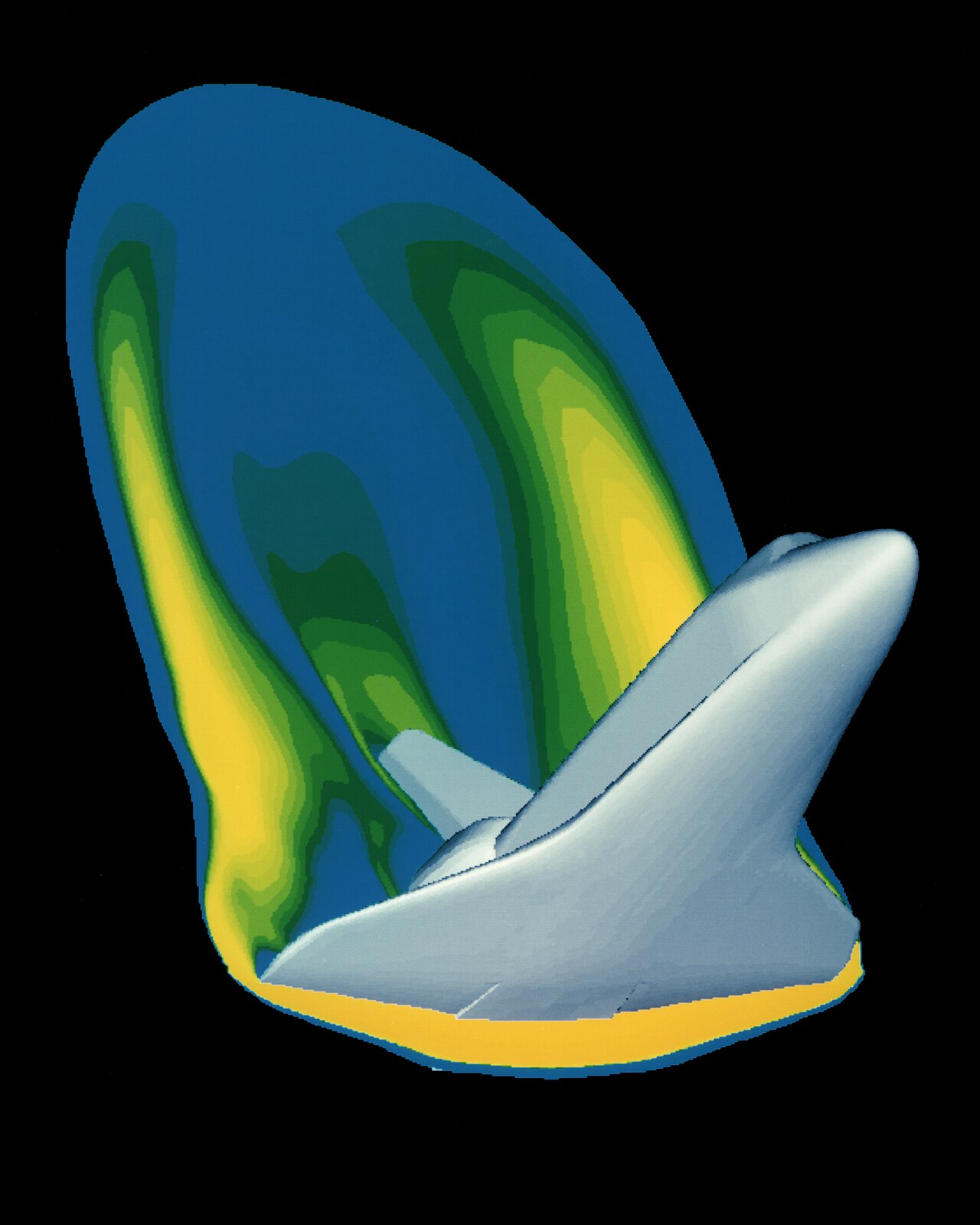
A digital twin in defense is a continuously updated virtual copy of a real aircraft, ship, engine or factory that lets engineers test, repair and improve the physical asset before they touch it. Since the US Department of Defense published its Digital Engineering Strategy in 2018, the idea has moved from a slide-deck buzzword to a design rule for programs such as the T-7A trainer and the F-47 fighter effort.
What is a digital twin in defense
A digital twin is more than a 3D model. A CAD drawing describes what something should be, while a twin also describes what the real object is doing right now. It combines design data, manufacturing records, sensor readings and physics-based or machine-learning models. When an engine runs hot or a hull plate corrodes, the twin is updated, so engineers can see the change and forecast what happens next.
Militaries care because modern platforms are expensive, slow to build and used for decades. A fighter in service for 40 years will be repaired, upgraded and re-certified many times. A twin gives the owner a single record that follows the aircraft from the first drawing to retirement.
How digital twins work
| Level | What it is | Typical defense use |
|---|---|---|
| Digital model | A static virtual copy with no live data link | Design reviews, training material, manufacturing planning |
| Digital shadow | A model fed one-way by sensor and maintenance data | Condition monitoring, fleet health dashboards |
| Full digital twin | Two-way link, where the model can guide decisions and test changes | Predictive maintenance, what-if testing, software updates |
The core workflow has four steps. Sensors on the real asset send data, which is stored and cleaned. A simulation engine runs physics models on that data, and analytics or AI look for patterns and predict failures. The result goes back to maintainers and planners, who act on it and feed the outcome into the next cycle. The techniques overlap with the tools discussed in our explainer on military AI, although the goals differ.
Digital twin examples in defense
| Domain | Example | What the twin does |
|---|---|---|
| Aircraft design | Boeing T-7A Red Hawk trainer | Designed and tested virtually; Boeing has claimed large cuts in assembly hours (manufacturer claim) |
| Combat aircraft | US Air Force digital engineering for the F-47 effort | Shortens the design loop and supports rapid upgrades, per US Air Force statements |
| Engines | Rolls-Royce and GE Aerospace engine health programs | Track wear on individual engines to schedule overhauls |
| Shipbuilding | US Navy submarine and ship programs | Virtual assembly to find clashes before steel is cut |
| Factories | Munitions and vehicle plants | Simulate production lines to find bottlenecks |
Engine makers were early adopters because every engine is different once it has flown. The Rolls-Royce and GE Aerospace fleets both use sensor data to estimate remaining life part by part. Naval shipyards use twins to rehearse complex assembly, where a single misfit can cost months.
Digital twins for maintenance and readiness
The clearest payoff is maintenance. Instead of replacing parts on a fixed schedule, operators can replace them when the data suggests they are wearing out. That can raise aircraft availability and reduce spare-parts stock. The approach is called condition-based or predictive maintenance, and it is one of the main claims behind modern fleet management programs.
A second payoff is faster upgrades. Because a software or hardware change can be tested virtually, the military can push updates to a fleet with fewer flight-test hours. A third is training: maintainers can practice on a virtual aircraft before touching a real one. All three benefits depend on good data, and the savings figures quoted by companies come from their own programs.
Risks and limits of digital twins
Digital twins create new risks. A twin holds detailed design data, so it becomes an attractive target for cyber espionage, and a corrupted twin could lead to wrong maintenance decisions. Models are only as accurate as their inputs, so poor sensor data or incomplete physics gives false confidence. Interoperability is another problem, since contractors often use different tools and data formats.
There is also a cultural issue. Program offices have to trust virtual test results enough to reduce physical testing, and regulators still require real-world certification for safety-critical parts. The practical result is that twins complement testing rather than replace it.
Digital twins frequently asked questions
What is a digital twin in the military?
A continuously updated virtual copy of a platform, engine or facility that is used to test changes, forecast failures and plan maintenance.
How is a digital twin different from a simulation?
A simulation usually models a generic design. A twin represents one specific asset and is updated with its real data.
Which military programs use digital twins?
Examples include the T-7A trainer, the F-47 fighter effort, military engine fleets and shipbuilding programs.
Do digital twins replace flight testing?
No. They reduce the amount of physical testing but certification still relies on real-world tests.
What are the security risks?
Twins hold sensitive design and condition data, so they are targets for espionage and need strong cybersecurity and data integrity controls.
- US Department of Defense Digital Engineering Strategy (2018)
- Manufacturer and government program statements (savings figures are manufacturer claims)
- Wikipedia – Digital twin (accessed October 2026)
- Defence & Tech reporting