
Night Vision Generations Explained, From Gen 1 to Gen 3+
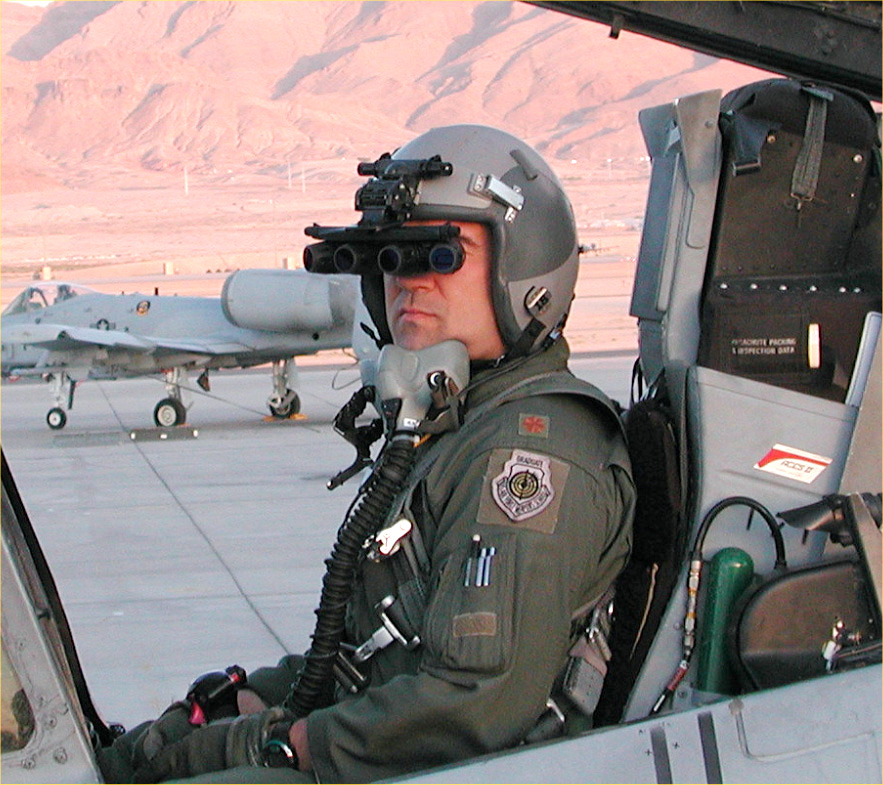
Night vision generations describe four leaps in image intensifier technology, from the 1,000x amplification of 1960s Gen 1 tubes to Gen 3 devices that multiply starlight tens of thousands of times. The labels are the industry’s shorthand for who owns the night, and they hide as much marketing as physics, which is what this guide untangles.
How an image intensifier works
An image intensifier is a vacuum tube that turns a trickle of photons into a visible picture. Incoming light strikes a photocathode, which converts photons to electrons; an electric field accelerates them; and a phosphor screen converts them back to visible light, traditionally green, increasingly white. The revolution came with the microchannel plate, a wafer pierced by millions of microscopic channels in which each electron ricochets loose thousands more, providing enormous gain in a package light enough to hang from a helmet.
Intensifiers amplify existing light, moonlight, starlight, skyglow, which distinguishes them from thermal imagers that read emitted heat, the trade-off that drives today’s fusion goggles and the broader sensing contest covered in our infrared signature explainer.
Night vision generations compared
| Generation | Era | Technology | Performance |
|---|---|---|---|
| Gen 0 | 1940s–50s | Active infrared illuminator plus converter tube | Works only with an IR lamp that enemies can see |
| Gen 1 | 1960s | Cascaded passive tubes, Vietnam-era starlight scopes | About 1,000x gain, bulky, distorted edges |
| Gen 2 | 1970s | Microchannel plate added | Around 20,000x gain, usable handheld and on helmets |
| Gen 3 | 1980s–present | Gallium arsenide photocathode, extended life | Highest sensitivity, US military standard |
| Gen 3+ / so-called Gen 4 | 2000s–present | Filmless or thin-film tubes, autogating, white phosphor | Better in very low light and around bright sources |
What Gen 3 actually means
Gen 3 is defined by its gallium arsenide photocathode, far more sensitive than Gen 2’s multialkali chemistry, especially in the near-infrared where night sky illumination is richest, plus an ion barrier film that extends tube life to 10,000 hours or more. It is the technology inside the PVS-14 monoculars and binocular goggles standard across US and allied forces. Actual quality is graded by figure of merit, resolution in line pairs per millimeter multiplied by signal-to-noise ratio; premium tubes now exceed 1,800–2,000 FOM, and US export rules key on FOM thresholds, which is why identical-looking devices ship with very different tubes.
Is there a Gen 4 night vision
Officially, no. The US Army briefly designated filmless tubes as Gen 4 around 2000, then withdrew the label when durability suffered, and no standards body has restored it. What vendors call Gen 4 today is best read as Gen 3+, filmless or thin-film designs with higher sensitivity, autogating that pulses tube voltage to survive muzzle flashes and urban lighting, and white phosphor displays most users find easier to read. European manufacturers such as Exosens’ Photonis brand use their own ladders entirely, making generation labels a starting point for comparison, not a verdict.
The practical consequence is a gray market of labels. Two goggles marketed as the same generation can differ more than a Gen 2 does from a Gen 3, depending on tube batch, FOM and autogating, so serious buyers specify data sheets, not generations, and demand the tube’s measured figures with the delivery.
| Spec | What it tells you |
|---|---|
| FOM (figure of merit) | Resolution times signal-to-noise; the single best quality number |
| Photocathode sensitivity | How well the tube harvests scarce photons, in µA/lm |
| Autogating | Whether the tube survives muzzle flash and streetlights without blooming |
| Phosphor color | White or green display; amplification identical, comfort differs |
| Halo size | Glow around bright points; smaller is better around lights |
| Tube life | Rated hours, commonly 10,000+ for Gen 3 designs |
Digital night vision and fusion
The frontier has moved from the tube to the system. The US ENVG-B goggle fuses an intensifier channel with a thermal channel, so a soldier sees starlight detail and heat blooms in one picture, and overlays wireless imagery from the rifle’s own sight, letting troops aim around corners. Digital low-light sensors are improving fast and enable recording and networking, though top-end analog tubes still win in the darkest conditions. The same fusion logic, stacking bands so targets cannot hide in any single one, drives sensors from fighter IRST systems to the imaging seekers on missiles like the Javelin.
Night vision frequently asked questions
What is the highest generation of night vision?
Gen 3 and its filmless Gen 3+ refinements are the top formally recognized tier; Gen 4 exists only as a withdrawn label and marketing term.
What generation night vision does the US military use?
Gen 3 and Gen 3+ tubes, in devices like the PVS-14 and the fusion-equipped ENVG-B.
What does FOM mean in night vision?
Figure of merit, tube resolution multiplied by signal-to-noise ratio; high-spec modern tubes exceed 1,800, and export rules hinge on the number.
Is white phosphor better than green?
Amplification is the same; most users report less eye strain and better contrast perception with white phosphor, which is why new procurement favors it.
Night vision or thermal, which is better?
Intensifiers give natural detail for navigating and identifying; thermal finds hidden and camouflaged targets. Modern fusion goggles combine both rather than choosing.
- US Army and manufacturer literature on image intensifier tubes
- Wikipedia – Night-vision device (accessed October 2026)
- Exosens/Photonis and L3Harris product documentation
- Defence & Tech reporting on soldier systems