
Infrared Signature, the Heat That Betrays Every Machine
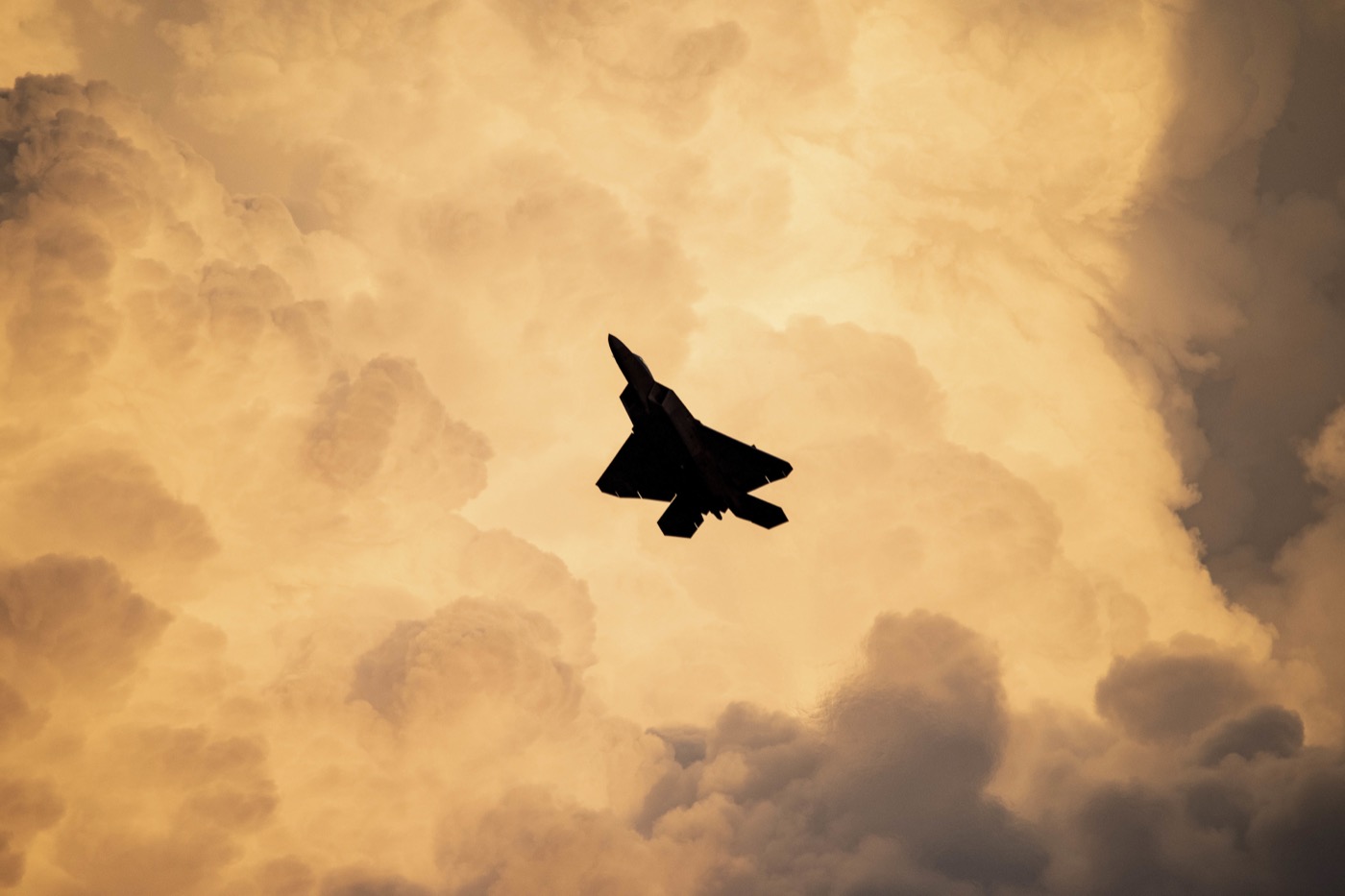
Radar stealth gets the budgets and the mystique, but heat is the more honest traitor. Every engine, every friction-warmed leading edge, every sun-soaked steel deck radiates infrared energy that modern sensors read like a signature. Managing that signature, on jets, ships, tanks and soldiers, has become as central to survival as any radar trick, because you cannot jam physics, only negotiate with it.
Why heat is hard to hide
Every object above absolute zero radiates, and the intensity climbs steeply with temperature, so a 700-degree exhaust plume against a cold sky is a beacon. Two atmospheric windows, mid-wave 3-5 micron and long-wave 8-12 micron, let that radiation travel far, and sensors camped in those bands need no emissions of their own, no warning reaches the target that it is being watched. Infrared detection is the quiet counterpart to the radar duel, and unlike radar, it cannot be jammed with noise, only decoyed, attenuated or avoided.
Where the signature comes from
An aircraft’s infrared portrait has four main sources, the engine hot parts glowing through the nozzle, the exhaust plume itself, airframe skin heated by friction at speed, and reflected sunshine and earthshine. Which dominates depends on aspect and speed, from behind, the nozzle and plume overwhelm everything; from the front at supersonic speed, kinetic heating of leading edges takes over, which is why supercruising stealth jets still light up long-wave sensors and why missile seekers are engineered per-aspect.
Cooling the exhaust, the first fight
Signature management starts at the nozzle. Mixing bypass air into the core exhaust drops plume temperature sharply, flat slit-shaped nozzles like the F-117’s and B-2’s spread and flatten the plume so it cools in meters instead of hundreds, and shielding nozzles above wings or tails hides hot metal from ground-based seekers. Helicopters bolt on suppressors that curl exhaust into rotor downwash. Afterburner defeats all of it, which is why supercruise, speed without reheat, is a signature feature and not just an engine boast.
Skins, shapes and suppressors
| Source | Countermeasure |
|---|---|
| Engine hot parts | Nozzle shielding, cooled liners, line-of-sight blockage |
| Exhaust plume | Bypass mixing, flat nozzles, additives |
| Skin friction heating | Speed discipline, low-emissivity coatings |
| Solar loading | Low-absorption paints, thermal management |
| Onboard heat (avionics) | Fuel as heat sink, managed exhaust paths |
Coatings tuned for low emissivity in sensor bands make skin radiate less efficiently, while onboard thermal management dumps avionics heat into fuel rather than overboard, a hidden reason modern stealth jets treat fuel as coolant plumbing. Every choice trades against another, a coating that suppresses long-wave emission may absorb more sun, and a shielded nozzle costs thrust, so signature engineering is a ledger of compromises audited in test chambers.
Ships, tanks and soldiers
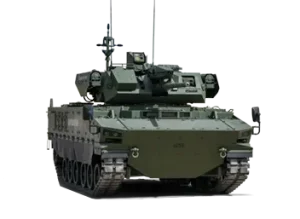
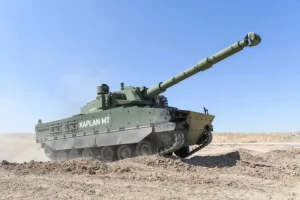
The same physics scales. Warships inject seawater mist into funnel exhaust and cool topside plating so sea-skimming missiles with imaging infrared seekers find less contrast against the ocean. Tanks drape multispectral camouflage that scatters thermal outlines, route exhaust through mixers, and idle on auxiliary power units because a main engine at idle glows for kilometers. Infantry thermal blankets and cloaks answer the proliferation of cheap thermal sights, a battlefield where every rifle may soon carry one, and drone-borne thermal cameras in Ukraine have made unmanaged heat lethal at the squad level.
The passive-sensor arms race
The hunters improve faster than the hiders. Modern IRST systems track fighters at ranges once reserved for radar, distributed apertures fuse staring sensors around aircraft, and two-color seekers on missiles shrug off legacy flares. Quantum-well and large-format focal planes keep cutting the temperature differences a sensor can see, so each generation of signature management buys smaller margins. The endpoint both sides quietly assume is a sky where nothing fast stays hidden long, and survival belongs to whoever sees, shoots and disappears first.
Frequently asked questions
What is an infrared signature?
The pattern of heat radiation an object emits in the infrared bands, from engines, exhaust, friction-heated skin and reflected sunlight, which passive sensors can detect and track.
Can stealth aircraft be detected by heat?
Yes, IRST sensors track airframe and plume heat passively, especially at supersonic speeds, which is why stealth designs manage infrared alongside radar signature.
How do jets reduce their heat signature?
Bypass-air mixing, flattened shielded nozzles, low-emissivity coatings, using fuel as a heat sink and avoiding afterburner are the main techniques.
Why do tanks use thermal camouflage?
Cheap thermal sights and drone cameras make unmanaged engine and exhaust heat visible for kilometers, so multispectral covers and exhaust mixers break up the thermal outline.
- Wikipedia – Infrared signature and IRST (accessed October 2026)
- Aircraft survivability engineering literature
- Reporting on thermal sensing in the Ukraine war