Does the F-47 Have a Pilot? Why It Is Crewed, Not a Drone
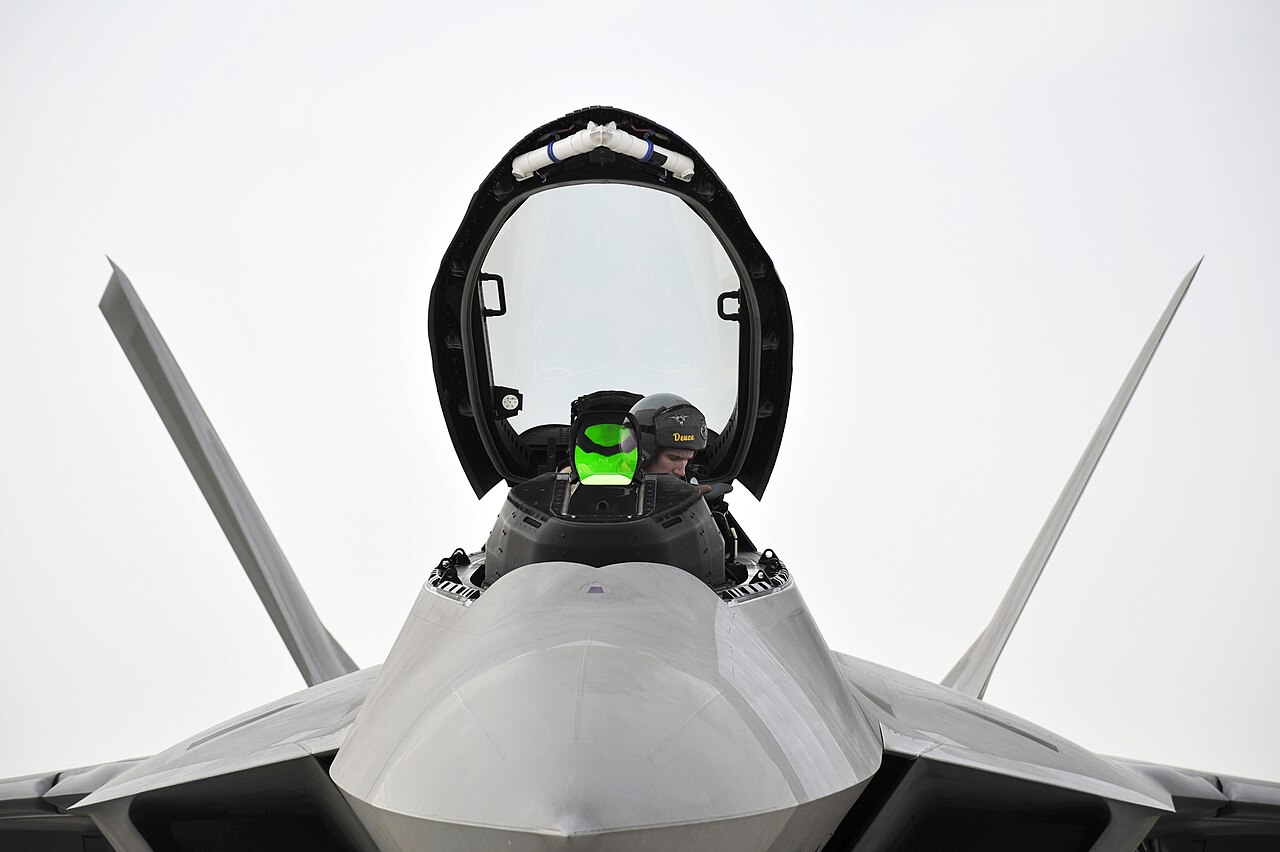
Yes. The F-47 is a crewed fighter with one pilot on board, and the Air Force describes it as the first crewed sixth-generation fighter. The question is reasonable, because the aircraft arrives at a time when uncrewed combat jets are entering production and prominent critics say piloted fighters are obsolete. The Air Force considered that argument in 2024 and decided to keep the pilot.
This explainer sets out the evidence that the F-47 is crewed, the reasons the service has given, what the pilot’s job will be, and whether an uncrewed version is likely.
The short answer
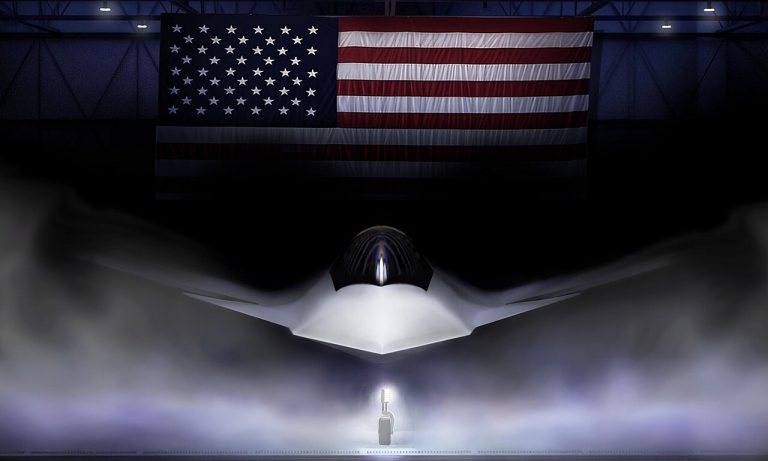
Every official statement since the contract award on 21 March 2025 has called the F-47 crewed. The official images show a single bubble canopy, which indicates one seat. Air Force leaders have also spoken about flying it themselves. In September 2026 Brig. Gen. Timothy Helfrich said: “I can’t wait to fly it this administration.”
The uncrewed element of the NGAD programme is a separate set of aircraft. Collaborative Combat Aircraft, or CCAs, are jet-powered drones that fly with crewed fighters and take direction from them. The F-47 is designed to lead them. It is not one of them.
Why the Air Force kept a pilot
The service tested the alternative. During the 2024 pause it studied a force built around bombers, long-range missiles and drones, and a cheaper crewed aircraft that would mainly control drones. In March 2025 Maj. Gen. Joseph Kunkel said the analysis had found “no more viable option than NGAD to achieve air superiority”.
Three practical reasons sit behind that conclusion. The first is communications. A remotely controlled aircraft depends on data links, and an opponent such as China will try to jam them. A pilot on the spot can keep fighting when the link to headquarters is cut.
The second is judgement. Air combat produces situations no one planned for, and autonomy software is still young. The third is responsibility. US defence policy requires appropriate human judgement over the use of force. Putting a person close to the fight, with authority over the uncrewed aircraft around them, is the Air Force’s way of meeting that.
What the pilot will actually do
The job will differ from flying an F-22. Much of the routine work will be automated: sensor fusion will combine radar, infrared and electronic signals into one picture, as it already does on the F-35. The pilot’s attention is meant to go to decisions.
| Task | Who does it |
|---|---|
| Flying the F-47 and managing its systems | Pilot, with heavy automation |
| Building the picture of the battle | Aircraft software, from its own sensors and those of other aircraft |
| Tasking the uncrewed wingmen | Pilot gives intent; CCA autonomy carries it out |
| Flying ahead, carrying extra missiles and sensors | Collaborative Combat Aircraft |
| Authorising weapons | Pilot |
Air Force officers often describe the role as a quarterback or mission commander. The pilot tells the drones what to achieve and they work out how. How many each F-47 will direct has not been fixed. Early planning used two per crewed fighter, and officials have said the number could grow as the software matures. Our article on the F-47 and its drone wingmen goes into detail.
The case for going uncrewed
The opposing view deserves a fair hearing. In November 2024 Elon Musk wrote that crewed fighters were obsolete in the age of drones. The underlying points are serious. A pilot adds weight, a cockpit and life support, and limits how hard the aircraft can turn. Aircraft without pilots can be smaller and cheaper, and losing one does not cost a life.
Progress has been quick. Both CCA prototypes flew in 2025, and the Air Force awarded production contracts in June 2026. The Navy’s air warfare director said in 2025 that the service’s F/A-XX might be its last crewed fighter.
The Air Force’s reply is that the two are complements. Drones give numbers at lower cost, at an estimated $20 million to $28 million each against $180 million or more for an F-47. The crewed aircraft gives judgement and command close to the fight. The stronger version of the critics’ case is about the next generation, which may well have no pilot.
Could the F-47 fly without a pilot later?
Early descriptions of NGAD sometimes used the phrase optionally crewed. No official statement since the award has said the F-47 can fly without a pilot, and no uncrewed version has been announced. It should be treated as unconfirmed.
Technically it is plausible. A modern fighter is flown through software, and the same autonomy being built for CCAs could in principle fly a larger aircraft. Whether the Air Force would want to send a fighter costing several hundred million dollars into combat with nobody on board is a different matter.
For the 2030s the plan is settled: a pilot in the F-47, with uncrewed aircraft around it.
Frequently asked questions
Is the F-47 a drone?
No. It is a crewed fighter. It is designed to work with uncrewed Collaborative Combat Aircraft.
How many pilots does the F-47 have?
One, on the evidence of the official images, which show a single-seat cockpit.
Why does a sixth-generation fighter need a pilot?
For decisions when communications are jammed, for judgement in unexpected situations, and to keep a human responsible for the use of weapons.
Will the F-47 control drones?
Yes. Directing Collaborative Combat Aircraft is a central part of its role.
Can the F-47 fly unmanned?
No uncrewed mode has been confirmed. Some early descriptions of NGAD mentioned optional crewing, but the Air Force has not said the F-47 has it.
Will there be a crewed fighter after the F-47?
Unknown. Some officials have suggested that the current designs may be the last crewed fighters.
- The War Zone – Full F-47 Production Line Not Too Far Away: USAF General: twz.com
- The War Zone – Next Generation Fighter Critical To Future Air Superiority, Key USAF Study Concluded: twz.com
- The Aviationist – U.S. Air Force Awards CCA Production Contracts: theaviationist.com
- Defense News – US Air Force awards first CCA production contracts to General Atomics, Anduril: defensenews.com
- Air & Space Forces Magazine – F-47 Maker Boeing Tapped for Navy’s F/A-XX Sixth-Gen Fighter: airandspaceforces.com
- The War Zone – First F-47 6th Generation Fighter Now Being Built: twz.com