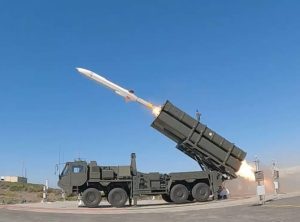

The Peak of the Hypersonic Race: The World’s 10 Fastest Missiles


 React
React
Rapid advancements in missile technology are fundamentally rewriting the rules of modern warfare. At the forefront of this revolution are hypersonic weapons—systems that not only shatter the sound barrier but represent the most formidable threat to contemporary air and missile defense networks. According to defense analysts, the true lethality of hypersonics lies not merely in their blistering speed, but in their ability to actively maneuver within the atmosphere. This unpredictable flight profile effectively neutralizes the calculated interception geometries of classical defense systems.
At the Zenith: The Avangard Sitting at the absolute pinnacle of the world’s fastest missile systems is Russia’s Avangard hypersonic glide vehicle (HGV). Achieving a mind-bending speed of Mach 27, the system is widely regarded by military strategists as one of the most advanced strategic weapons in existence, uniquely capable of bypassing any current, fielded missile defense architecture.
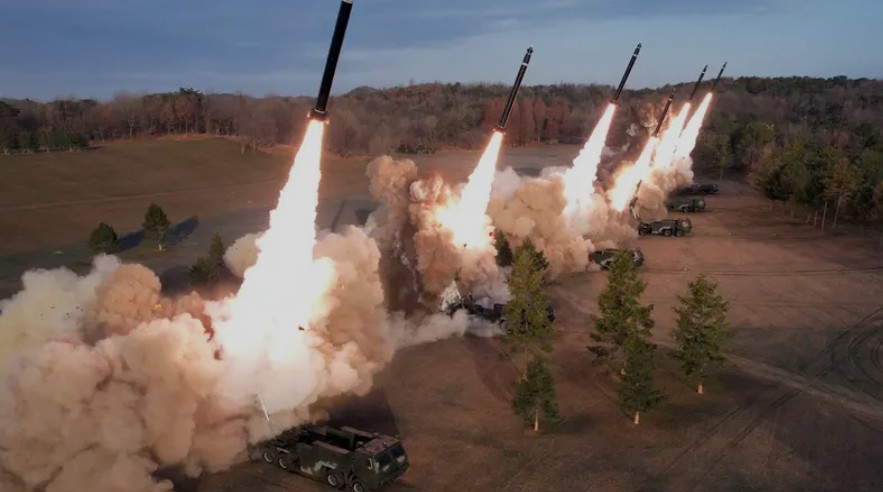
The Top 10 Fastest Missiles in the World
-
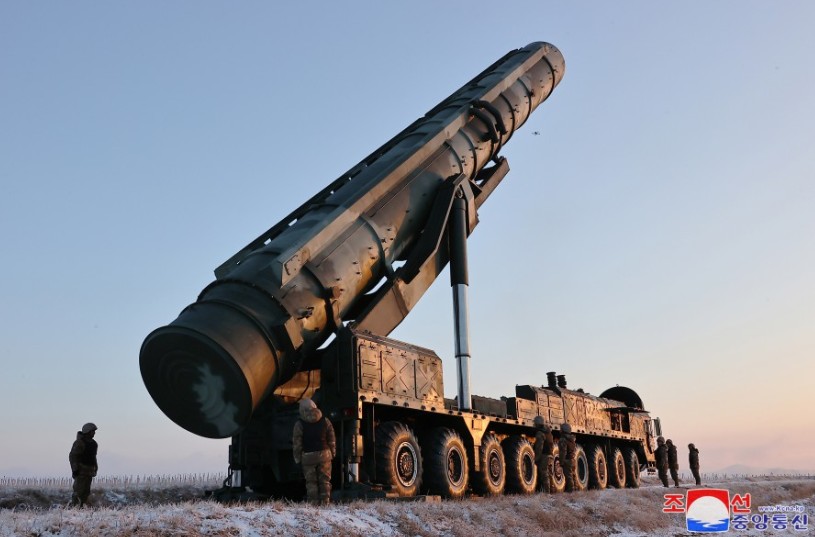
Avangard (Russia): A nuclear-capable hypersonic glide vehicle that reaches Mach 27, turning atmospheric friction into a fiery plasma shield as it descends toward its target.
-
Minuteman III (USA): While a traditional intercontinental ballistic missile (ICBM) rather than a maneuverable glider, its reentry vehicles reach blistering terminal speeds of Mach 23.
-
RS-28 Sarmat (Russia): A super-heavy ICBM capable of reaching Mach 20. It is designed to carry multiple independently targetable reentry vehicles (MIRVs) as well as hypersonic glide payloads.
-
AGM-183A ARRW (USA): The Air-Launched Rapid Response Weapon is an American hypersonic system designed to be deployed from strategic bombers, capable of reaching Mach 20.
-
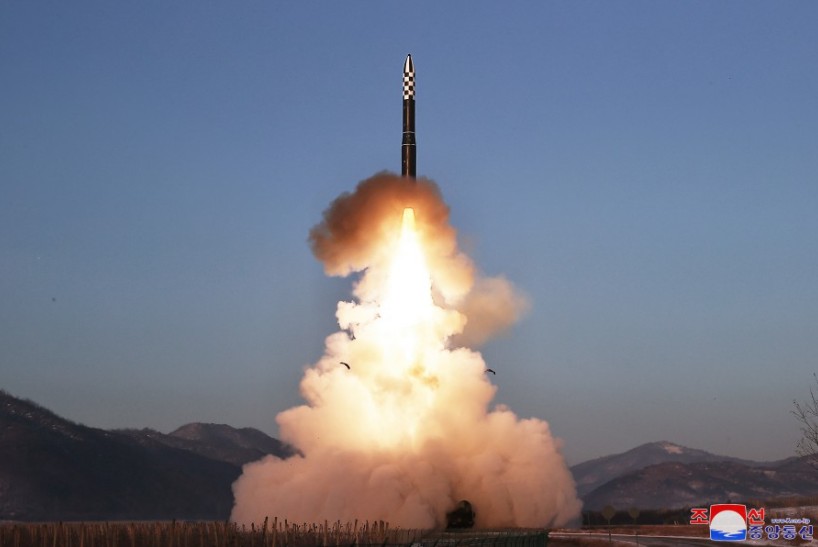
DF-ZF (China): Operating at speeds of Mach 10, this Chinese hypersonic glide vehicle is specifically noted for its high-G maneuverability, designed to penetrate advanced radar nets.
-
Kinzhal (Russia): An air-launched, high-precision ballistic missile. Fired from modified MiG-31 interceptors, it accelerates to Mach 10 and can strike both land and naval targets.
-
WU-14 (China): The highly classified early prototype and foundational technology demonstrator for China’s modern DF-ZF hypersonic glide vehicle.
-
Zircon (Russia): A sea-launched hypersonic cruise missile. Hitting Mach 9, it is designed to be fired from frigates and submarines, posing a severe threat to surface combatants.
-
BrahMos-II (India-Russia): A next-generation hypersonic cruise missile currently in development, aiming for a sustained cruise speed of Mach 8.
-
Shaurya (India): A canister-launched, surface-to-surface tactical missile capable of reaching Mach 7.5, designed to carry both conventional and nuclear warheads.
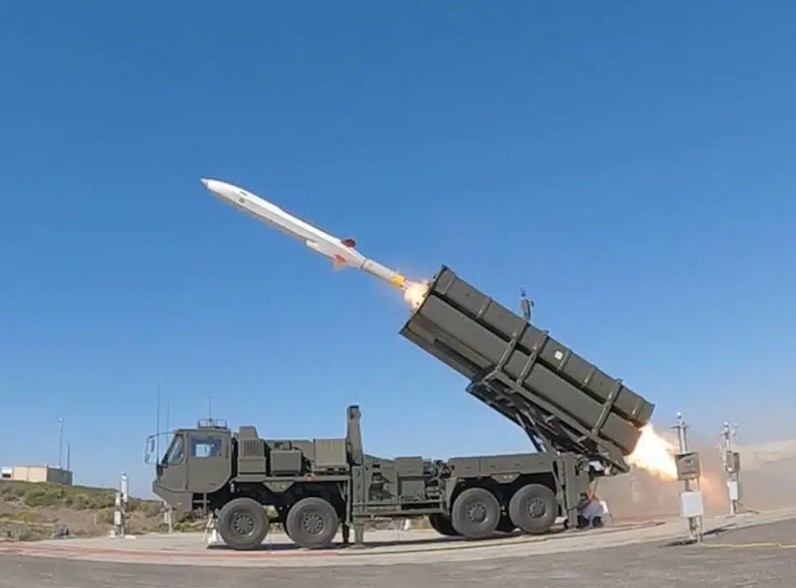
The Interception Dilemma: Why Are They So Hard to Stop? Hypersonic missiles change the geometry of warfare for three primary reasons:
-
Active Atmospheric Maneuvering: Unlike traditional ballistic missiles that follow a predictable parabolic arc, hypersonics can steer and change targets mid-flight.
-
Radar Evasion: By flying at lower altitudes than ICBMs but higher than subsonic cruise missiles, they exploit the gaps in traditional early-warning radar coverage.
-
Compressed Timelines: Their extreme velocity drastically reduces the reaction time available for commanders to detect, track, and authorize an interception.
Current Defenses Are Falling Short As of today, there is no fully proven, deployed air defense system capable of reliably and consistently intercepting a maneuvering hypersonic missile in its mid-course or terminal flight phases. This glaring vulnerability is forcing major military powers back to the drawing board, catalyzing massive investments in next-generation solutions like directed-energy weapons (lasers) and space-based sensor networks.
A Deepening Global Rivalry While Russia, China, and the United States currently dominate the hypersonic technology race, other nations are rapidly accelerating their own research and development programs. Defense experts warn that as this technology proliferates, it will directly alter the global military balance, shifting the paradigm of strategic deterrence for decades to come.
React