
The Type 12 SSM: Japan’s Standoff Strike Revolution
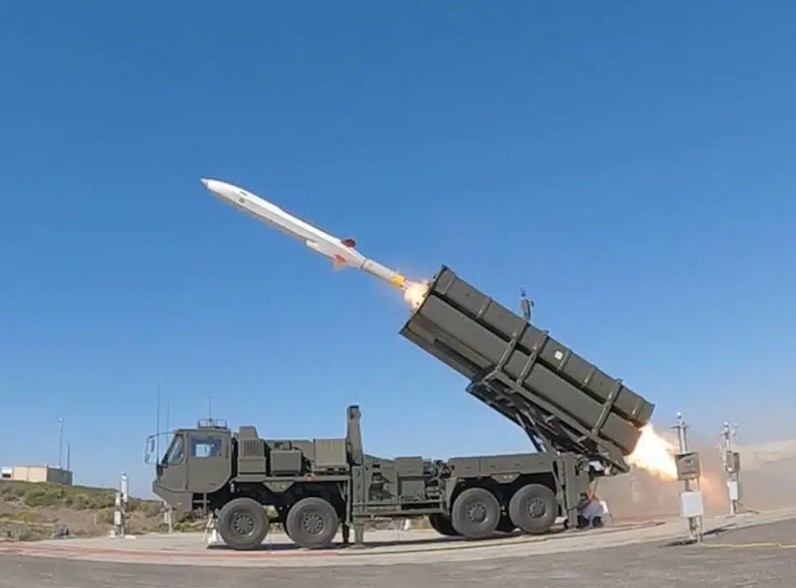
Produced by Mitsubishi Heavy Industries, the Type 12 Surface-to-Ship Missile (SSM) has served as a reliable subsonic asset in Japan’s coastal defense arsenal since its introduction in 2012. However, what began as a localized anti-ship weapon with a modest 200-kilometer reach is currently undergoing a radical transformation. Through a massive modernization program, the Type 12’s range is being extended beyond 1,000 kilometers, evolving the system from a tactical defensive tool into a formidable long-range cruise missile.
Why the Upgrade Matters The extended-range Type 12 is not just a technological update; it is the physical manifestation of a historic policy shift. In 2022, Japan’s National Security Strategy formally embraced the acquisition of “counterstrike” capabilities, stepping away from decades of strictly defensive posturing. The modernized Type 12 serves as the centerpiece of this new doctrine, granting Tokyo the unprecedented ability to hold missile launch sites and critical infrastructure in mainland China and North Korea at risk from safely within Japanese territory.
Variants To maximize its operational flexibility, the upgrade program is transforming the Type 12 into a true multi-domain weapon system. It will be fielded across three distinct launch platforms:
Ground-Launched: Highly mobile Transporter Erector Launchers (TELs) that can “shoot and scoot” across Japan’s archipelago.
Ship-Launched: Integrated into the vertical launch systems of the Japan Maritime Self-Defense Force’s (JMSDF) destroyers.
Air-Launched: Deployed from the wings of Japan’s F-2 and modernized F-15J fighter jets, drastically increasing the missile’s initial deployment speed and operational radius.
Guidance and Survivability To survive the highly contested airspace of the modern battlefield, the upgraded Type 12 has been heavily redesigned. It features a stealthier, low-observable airframe designed to evade early warning radars. By utilizing a terrain-following flight profile, the missile can skim just above mountains or ocean waves, remaining hidden beneath the enemy’s radar horizon. For pinpoint accuracy, it relies on a robust combination of dual GPS and Inertial Navigation Systems (INS) for mid-course flight, seamlessly transitioning to an active radar seeker in the terminal phase to lock onto moving targets.
Strategic Impact When combined with Tokyo’s recent procurement of U.S.-made Tomahawk cruise missiles, the Type 12 upgrade provides Japan with its first credible, home-grown standoff strike capability since the end of World War II. This combination effectively gives the Japanese Self-Defense Forces a potent “sword” to complement their long-standing “shield” of missile defense interceptors, fundamentally altering the calculus of any potential adversary.
Conclusion The evolution of the Type 12 SSM is a watershed moment for Japan’s defense posture. It signals a definitive end to Tokyo’s era of passive defense and serves as a stark declaration of its growing assertiveness and commitment to maintaining deterrence in the Far East balance of power.