US Strikes Iran’s Qeshm Island After IRGC Fires at American Aircraft, US Officials Say
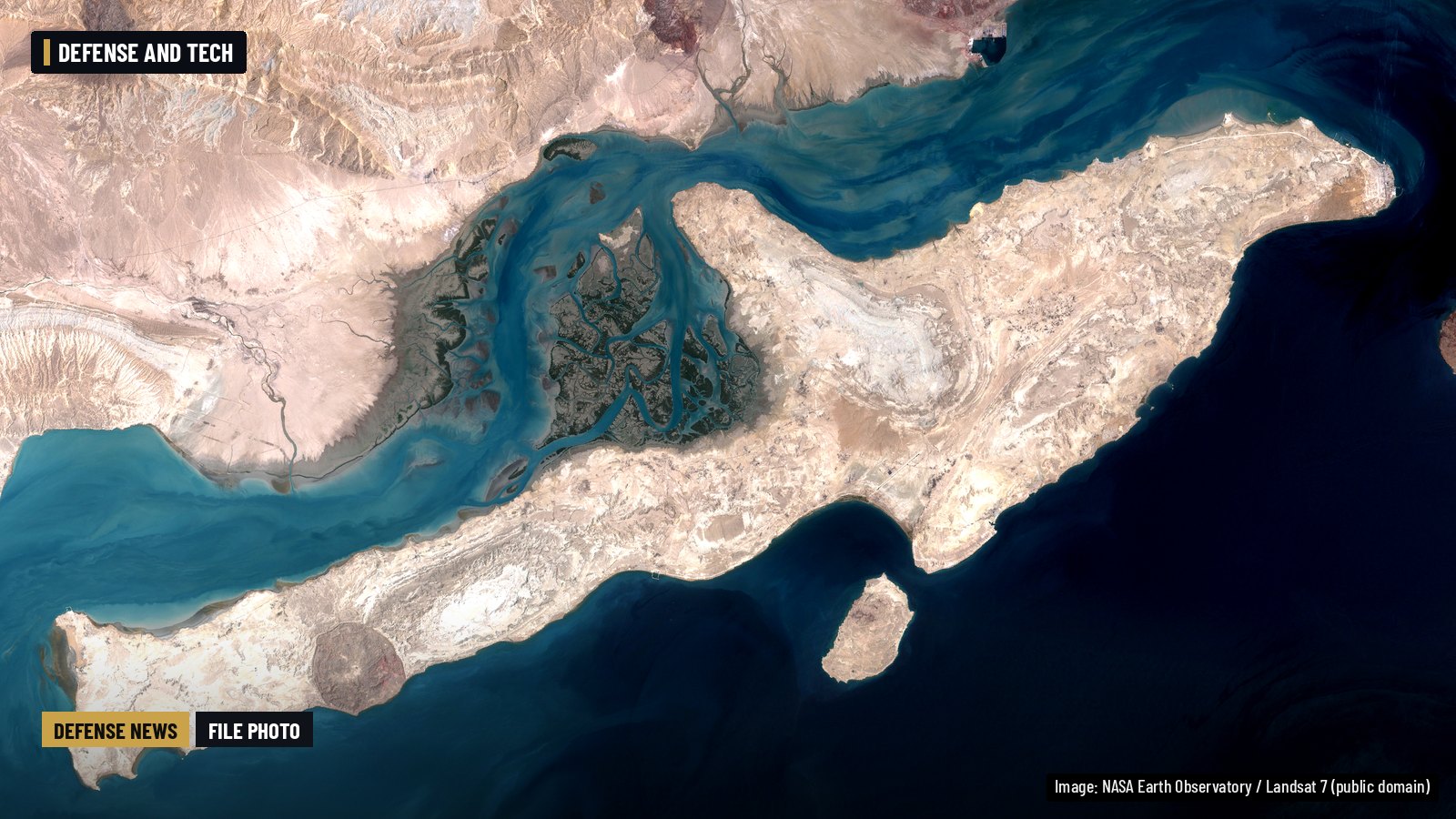
US forces struck targets on Iran’s Qeshm Island in the Strait of Hormuz late on Monday 2 November, according to several US officials who spoke to American media on condition of anonymity. They described the action as limited and defensive, carried out after Iran’s Islamic Revolutionary Guard Corps (IRGC) fired at a US aircraft. Neither the Pentagon nor US Central Command has confirmed the strikes on the record.
- Iran’s state news agency IRNA reported five explosions in quick succession on Qeshm Island late on Monday 2 November; residents said they saw two aircraft overhead
- Several US officials, speaking anonymously to CBS News, AP and Axios, described limited ‘defensive’ strikes after the IRGC fired at a US aircraft over the Strait of Hormuz
- According to one US official cited by Axios, a US fighter destroyed an IRGC surface-to-air missile launcher on the island
- US Central Command (CENTCOM) had issued no statement by 10:00 Istanbul time on 3 November
- The IRGC separately claimed it shot down an MQ-9 and brought down two MQM-170 drones; the US has not confirmed any loss
What US officials say
The Wall Street Journal first reported the strikes. Multiple US officials told CBS News that American forces launched “limited defensive strikes” at Iranian targets near the Strait of Hormuz; a senior military official said they were aimed at Qeshm Island and came in response to the IRGC firing on a US aircraft (CBS News). A US official quoted by AP said the targets were “Iranians using surface-to-air missiles against US assets”.
Axios, citing a US official, went further: the IRGC fired a missile at a US aircraft over the strait, and a US fighter jet then destroyed the IRGC surface-to-air missile launcher on Qeshm in self-defence (Axios report via Iran International). Fox News, also citing an official, said the action was not “the start of expanded strikes by the US”. The Wall Street Journal described it as one of a series of small, unpublicised strikes in recent weeks, kept quiet so as not to signal a return to full-scale operations.
The Pentagon referred questions to CENTCOM, which did not respond to requests for comment (USA Today). We found no statement on CENTCOM’s website or official X account as of 10:00 Istanbul time on 3 November. The type of US aircraft involved, the weapons used and any damage assessment have not been disclosed.
What Iran says
IRNA reported five severe explosions in rapid succession on the island, saying their intensity suggested impacts on Qeshm itself and that residents had seen two aircraft overhead; local and provincial officials gave no explanation (IRNA via Iran International). The semi-official Fars agency said blasts were also heard at the port of Bandar Lengeh, coming from the direction of the sea (Al Jazeera).
Iranian authorities had not linked the explosions to US action at the time of writing. Earlier the same night, the IRGC issued two statements through the Tasnim news agency. In the first, it said its new aerospace air-defence system, operating within the national integrated air-defence network, had intercepted and destroyed “the 55th” MQ-9 drone east of the Strait of Hormuz (Tasnim). In the second, it said IRGC Aerospace Force electronic-warfare systems had brought down two US MQM-170 reconnaissance drones south of Qeshm, raising to four the number of drones of that type it says it has seized (Tasnim). The US military has not confirmed losing any aircraft, and these claims could not be independently verified.
Why Qeshm matters
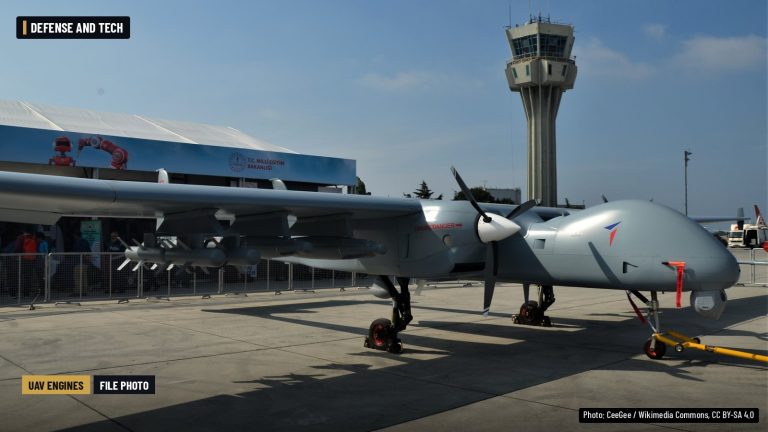
Qeshm is the largest island in the Persian Gulf and sits in the narrowest part of the Strait of Hormuz, opposite Oman’s Musandam peninsula. Any air-defence or drone site there covers the main shipping lanes. The MQ-9 Reaper, built by General Atomics, is a long-endurance armed surveillance drone; the MQM-170 Outlaw is a small, propeller-driven unmanned aircraft originally developed as an aerial target and also used for reconnaissance.
Previous developments
This is not the first time US forces have hit the island. On 2 June 2026, CENTCOM said it had carried out “self-defense strikes” on an Iranian military ground control station on Qeshm after Iranian missile and drone attacks across the region (CENTCOM). In late October, CENTCOM commander Adm. Brad Cooper flew over the strait and said the main transit routes were “free and clear” (our report). Attacks on merchant shipping have continued since, including the strike on the tanker Largo Atom off Saudi Arabia on 1 November (our report).
Diplomatic context
The strikes came as Qatar-led mediators pursue indirect US-Iran talks to end the war that began with US and Israeli strikes on 28 February. On Monday, Vice-President JD Vance said he and President Donald Trump felt “pretty good about the prospects” for a negotiated settlement (The Guardian). Iranian Foreign Minister Abbas Araghchi said talks were “proceeding very intensively” but warned that any US military operation would meet a “more bitter and forceful” response, IRNA reported. The strikes also came on the eve of US midterm elections on 3 November.
Sources: CBS News; AP; Axios and IRNA (via Iran International); Tasnim (IRGC statements); Al Jazeera (Fars report); USA Today; The Guardian; CENTCOM release of 2 June 2026. US accounts come from officials speaking anonymously; we will update this article if CENTCOM or Iranian authorities issue official statements.