Type 26 vs FREMM vs Constellation, the West’s Next Frigates Compared
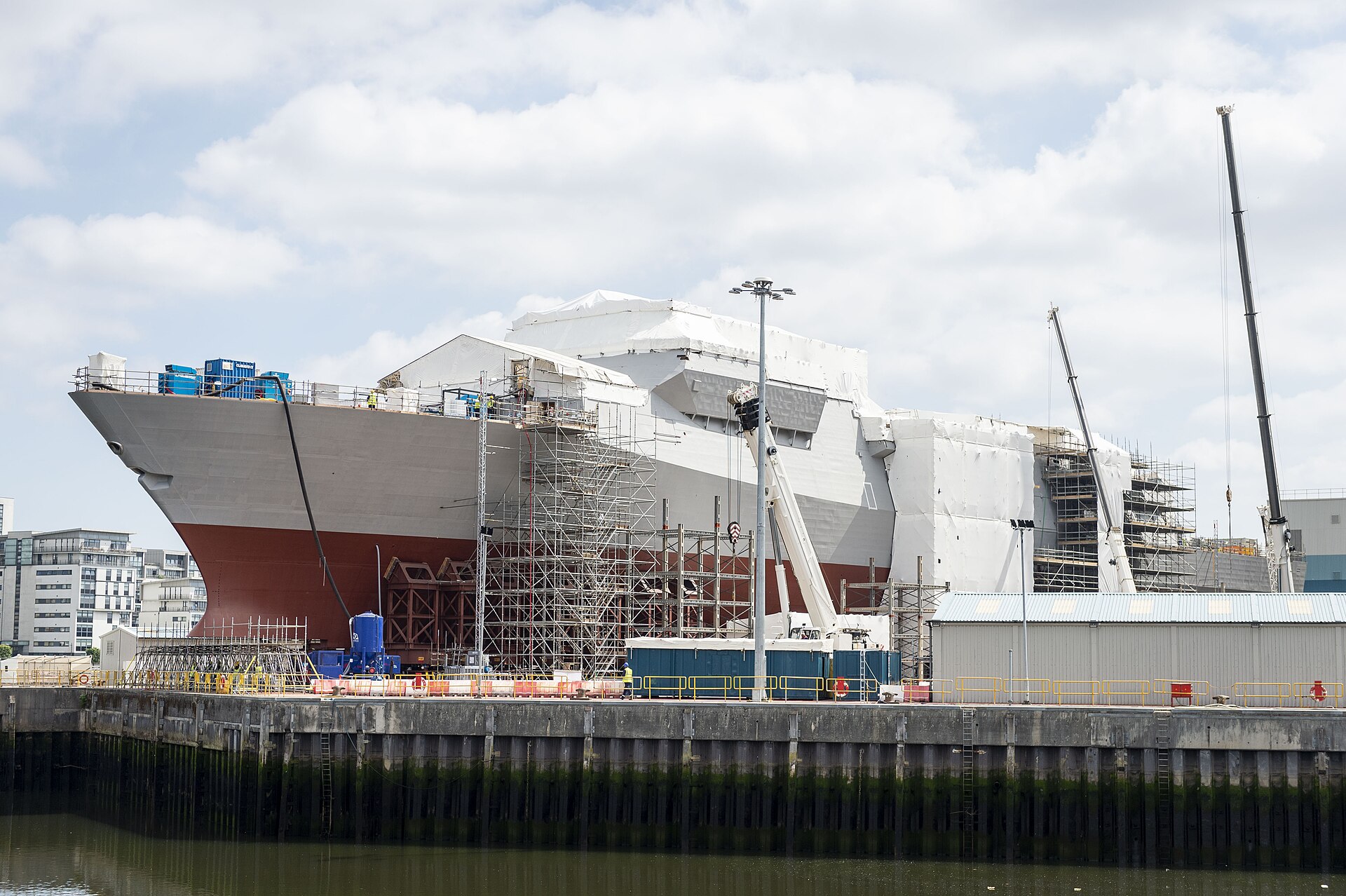
Type 26 vs FREMM vs Constellation is the three-way contest defining Western frigate design, with 29 Type 26-family hulls planned across three navies, 18 FREMMs already at sea for France and Italy, and the US Navy’s FREMM-derived FFG-62 program fighting delays. Each ship answers the same question, how much capability fits in a hull below a destroyer, in a different way.
Why these three frigates matter
Frigates are where most Western navies will actually live for the next thirty years: numerous enough to be everywhere, capable enough to fight. Britain’s Type 26, built by BAE Systems, was designed around one job, hunting submarines quietly. The Franco-Italian FREMM, from Fincantieri and Naval Group, is the versatile all-rounder Europe actually got built in numbers. The Constellation class is America’s attempt to adapt the FREMM into an Aegis-networked escort, and its troubles have become a case study in requirement creep.
Type 26 vs FREMM vs Constellation specifications
| Item | Type 26 | FREMM | Constellation (FFG-62) |
|---|---|---|---|
| Builder | BAE Systems, Glasgow | Fincantieri / Naval Group | Fincantieri Marinette Marine |
| Full displacement | About 8,000 t | About 6,000-6,700 t | About 7,300 t |
| Length | 149.9 m | 142-144 m | About 151 m |
| Propulsion | CODLOG, gas turbine plus electric drive | CODLAG | CODLAG |
| VLS | 48 Sea Ceptor cells plus 24 Mk 41 strike cells | 16-32 Sylver cells, Aster 15/30 | 32 Mk 41 cells |
| Main radar | Artisan Type 997 | Herakles (FR) or Kronos (IT) | SPY-6(V)3 EASR |
| ASW suite | Type 2087 towed array, acoustically quieted hull | CAPTAS-4 towed array | Variable-depth sonar planned, towed array |
| Anti-ship missiles | Interim NSM (UK) | Exocet (FR) or Teseo (IT) | 16 NSM |
| Gun | 5-inch Mk 45 | 76mm (IT/FR variants differ) | 57mm Mk 110 |
Which frigate is best at anti-submarine warfare
The Type 26 wins this category on design intent. Its hull and machinery were shaped around radiated noise from the start, with the acoustically isolated electric drive letting it stalk at low speed on motors alone, and the Type 2087 low-frequency towed array remains a benchmark. The FREMM is a genuinely good ASW ship, the French navy’s boats with CAPTAS-4 have repeatedly impressed in NATO exercises, but it accepts more compromise toward general-purpose roles. Constellation inherits FREMM seakeeping and adds US processing, though its final sonar fit has shifted during redesign and remains the program’s least settled corner.
Air defense and strike compared
Here the order reverses. Constellation carries SPY-6(V)3 fixed arrays and 32 Mk 41 cells tied into the Aegis-derived combat system, meaning quad-packed ESSM and SM-2, the same Aegis ecosystem as the destroyer fleet. FREMM answers with Aster 30 and, uniquely in this trio, the French naval cruise missile, giving it organic land-attack reach no Type 26 or Constellation yet matches. Type 26 fields Sea Ceptor for self and local air defense plus 24 strike-length Mk 41 cells whose loadout the Royal Navy has kept flexible; its air picture leans on escorting destroyers.
Program status and exports
| Item | Type 26 | FREMM | Constellation |
|---|---|---|---|
| Hulls planned | 8 UK, 6 Australia, 15 Canada | 18 France/Italy plus exports | 6 under contract, total under review |
| In service | None yet; HMS Glasgow on trials | 18 with France and Italy | None |
| First delivery | Around 2028 (UK) | From 2012 | Around 2029, per reports |
| Export customers | Australia, Canada | Egypt, Morocco, Indonesia ordered | None |
Type 26 has become an export phenomenon before the first ship commissions: eight for the UK, six Hunter-class derivatives for Australia and fifteen River-class destroyers for Canada, with HMS Glasgow on sea trials and UK service entry expected around 2028. FREMM is the proven quantity, 18 delivered to France and Italy plus exports to Egypt and Morocco, and Italy has ordered evolved follow-ons. Constellation is the cautionary tale: design changes drove the lead ship years late, with delivery now reported around 2029 and the Navy weighing how many hulls to build while it fixes the process.
Verdict by mission profile
For dedicated submarine hunting in the North Atlantic or Pacific chokepoints, the Type 26 is the strongest design on paper and the reason three of the Five Eyes navies aligned on it. For a navy that needs one class to do everything credibly today, escort, strike, ASW, presence, the FREMM is the low-risk, in-production answer. The Constellation, if it emerges from its restructuring, offers the deepest air-defense integration of the three for fleets that fight inside the US networked ecosystem. Buy Type 26 for the sub threat, FREMM for balance now, Constellation for Aegis commonality later.
Frigate comparison frequently asked questions
Is the Type 26 better than the FREMM?
For anti-submarine warfare, generally yes by design; the FREMM is more balanced across roles and is already proven in service.
Why is the Constellation class delayed?
Extensive redesign from the FREMM parent, workforce shortages at the shipyard and weight growth pushed the lead ship years behind schedule, with delivery reported around 2029.
Which navies are buying the Type 26?
The UK (8), Australia (6 Hunter class) and Canada (15 River-class destroyers), about 29 hulls in the family.
How many VLS cells does each frigate have?
Type 26 pairs 48 Sea Ceptor cells with 24 Mk 41 strike cells, FREMM carries 16-32 Sylver cells, Constellation carries 32 Mk 41 cells.
Which frigate can launch cruise missiles?
The French FREMM fires the MdCN naval cruise missile today; Type 26 and Constellation have strike-capable cells awaiting loadout decisions.
- Royal Navy, Marine Nationale, Marina Militare and US Navy public data
- Wikipedia – Type 26 frigate, FREMM multipurpose frigate, Constellation-class frigate (accessed October 2026)
- US government reporting on FFG-62 program status
- Defence & Tech reporting on European shipbuilding