GÖKBERK and EJDERHA: Türkiye’s Energy Weapons at Ateş Serbest
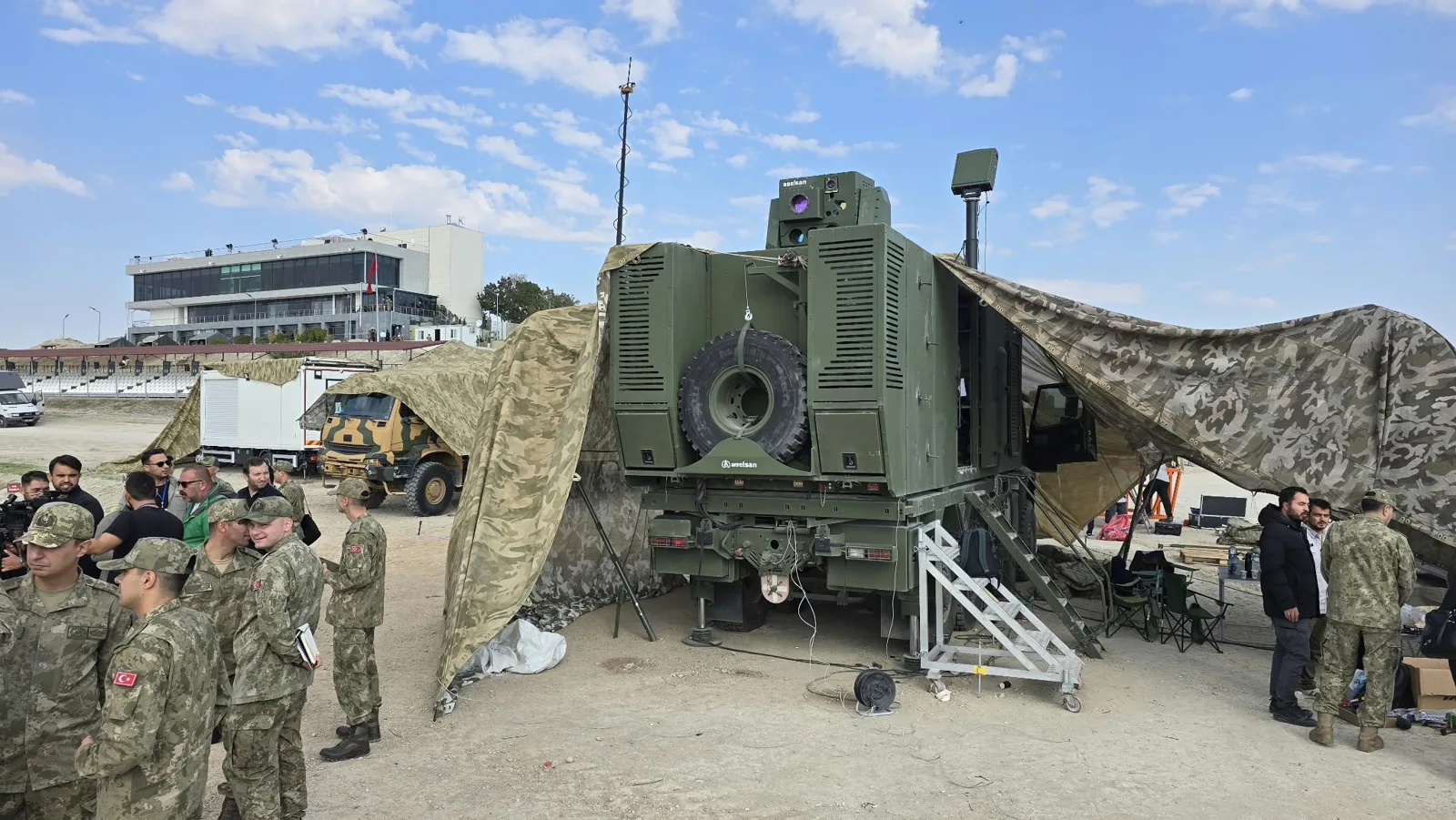
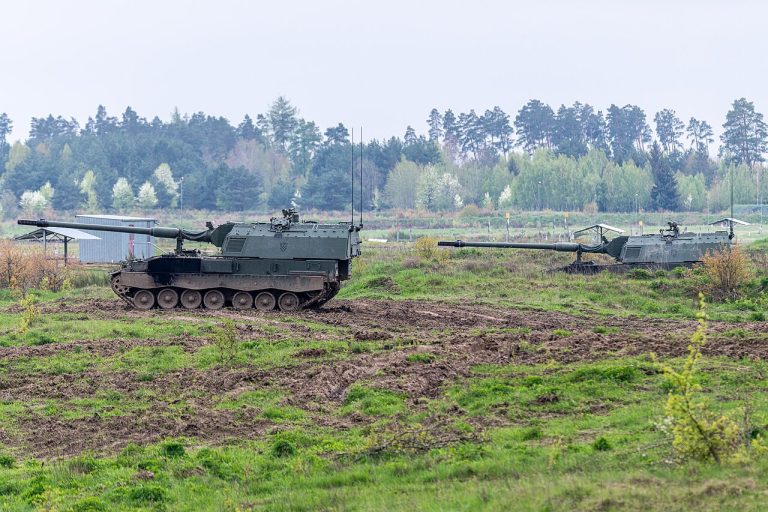
POLATLI, Türkiye – Most of the weapons on show at Ateş Serbest-2026 did what firepower demonstrations are built for: artillery kicked up dust, a Bayraktar AKINCI released a salvo of guided munitions, and air defence guns pointed down range. Two ASELSAN systems in the static area stood out for the opposite reason. GÖKBERK and EJDERHA have no barrel and fire no round at all. They are directed-energy weapons, and the Turkish Armed Forces put them in the field as components of the Steel Dome (ÇELİKKUBBE) multi-layered air defence architecture.
The exercise was held at the General Nahit Şenoğul Firing and Training Area in Polatlı, Ankara province, with elements of the Land, Naval and Air Forces and the Special Forces Command. Its stated purpose was to demonstrate the firepower of systems in the Turkish inventory, show their effects on target and improve joint operations. The exhibition segment was coordinated by the Presidency of Defence Industries (SSB).
Two ways to hit a drone without a missile
A directed-energy weapon delivers energy to the target instead of a physical projectile. That energy can be a focused laser beam or a burst of high-power electromagnetic radiation. In both cases the effect arrives at the speed of light and no interceptor is expended per engagement, which is why militaries facing cheap drones in large numbers have become interested in the technology.
GÖKBERK is ASELSAN’s laser weapon system. At Ateş Serbest-2026 it represented the use of directed-energy technology in air defence and was listed among the critical components of Steel Dome. A laser concentrates its energy on a single point, so its strength is precision. Its limits are also well known: it needs a clear line of sight and its performance can be affected by atmospheric conditions such as dust, haze or rain. ASELSAN did not release range, power class or target-set figures for GÖKBERK in connection with the exercise, and this article does not estimate them.
EJDERHA takes a different route. Listed by ASELSAN as the EJDERHA High-Power Electromagnetic (HPEM) Anti-UAV Countermeasure System, it is designed to disrupt the electronics of unmanned aircraft so they cannot continue their mission. Where a laser engages one aim point at a time, an electromagnetic effect has the potential to cover a wider area, a property that matters when several drones arrive together.
- Laser (GÖKBERK): narrow beam, precise aim point, line of sight required, weather sensitive.
- High-power electromagnetic (EJDERHA): targets drone electronics, potential area effect, aimed at UAV threats.
- Shared logic: no physical munition per shot and a low cost per engagement compared with interceptor missiles.
Neither system is presented as a replacement for guns or missiles. Within Steel Dome they form an additional layer that can take on low-cost targets and preserve more expensive interceptors for threats that require them.
Where they sit inside Steel Dome
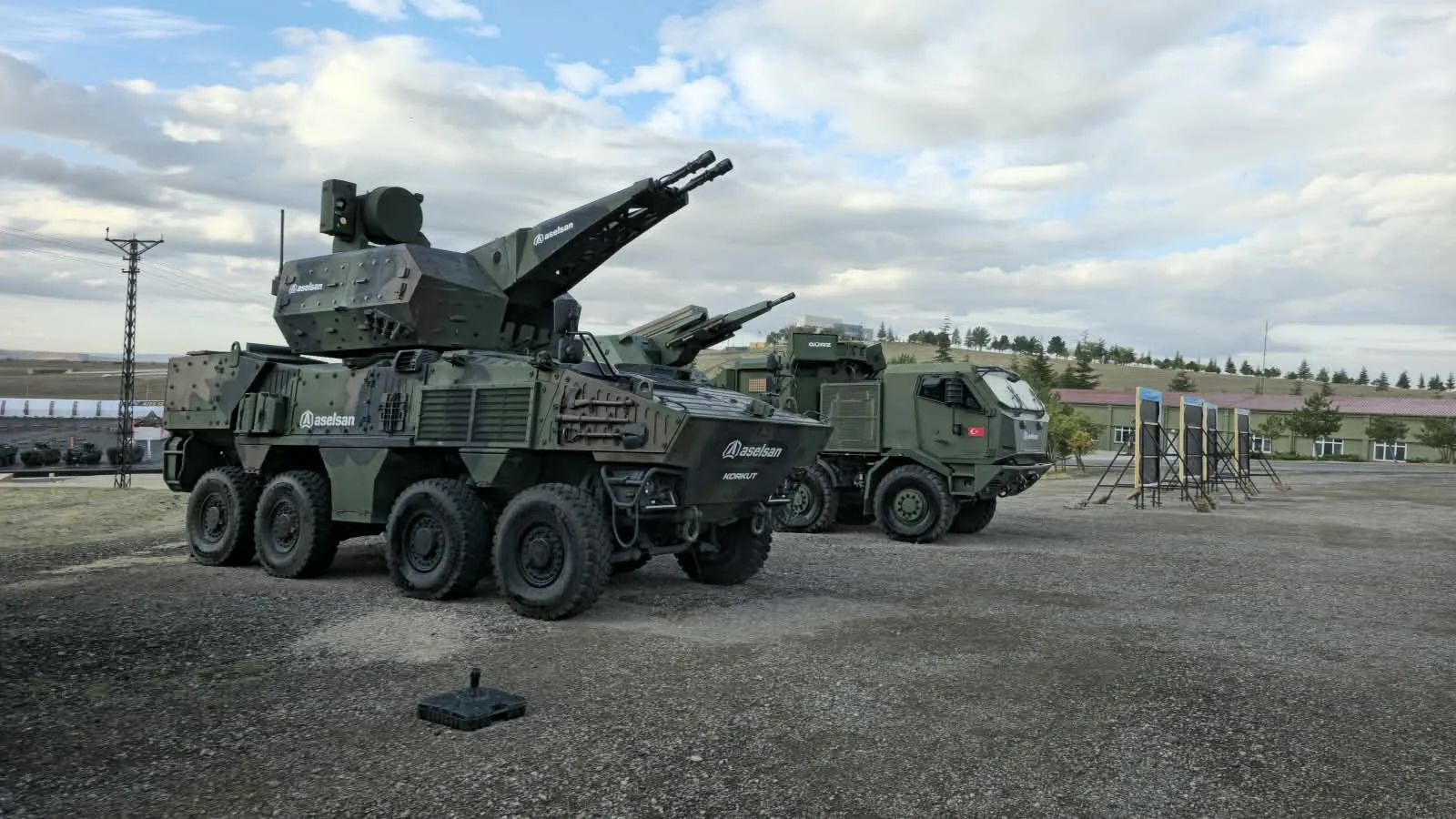
Steel Dome is Türkiye’s integrated air defence architecture, in which different systems handle different altitudes, speeds and target sizes under a common command and control network (see our explainer: What is Türkiye’s Steel Dome air defence?). At Polatlı the components shown alongside the directed-energy pair included the GÜRZ and KORKUT air defence systems, the İHTAR and GÖKALP counter-drone solutions, the AURA radar, a weapon locating radar, the ASELFLIR-410 electro-optical system and the ANTİDOT electronic warfare pod.
The sensor-to-shooter chain behind the lasers
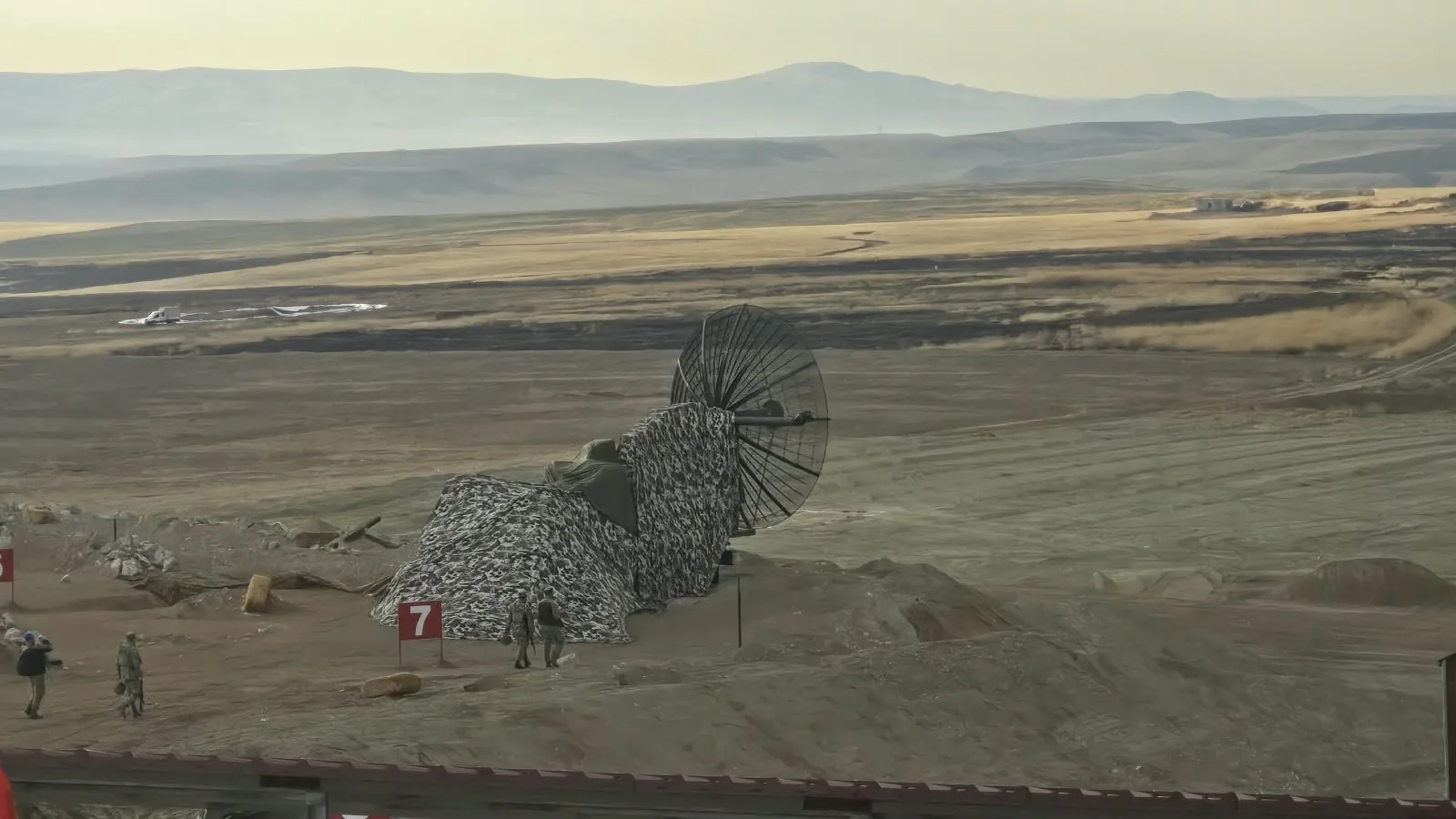
A laser is only as useful as the track it receives. On the sensor side ASELSAN showed the MURAD AESA radar and the KALKAN-2 air defence radar, with MİLKAR and MİLKED electronic warfare families also on display. KOCATEPE, ASELSAN’s battlefield management system for battalion-level and higher headquarters, coordinated all participating units during the exercise.
The ARTNET network carried tactical data, live video and radar information between headquarters and forward elements, while ARTSOFT MAESTRO fused data from different sensors into a common tactical picture. IDENTA handled secure identity and access management on the tactical network, and QCRYPT was presented for advanced cryptographic protection of communications. ADOP, the fire support command and control system, also took part.
AKINCI flew with MURAD and TOLUN-P
In the air segment, a Bayraktar AKINCI flew with the MURAD AESA radar and carried ASELSAN TOLUN-P munitions under its wings, conducting multiple shots against designated targets in a salvo. The ANTİDOT pod aboard the same aircraft was used in the scenario to detect and locate radars belonging to simulated hostile air defence systems.
What to watch
Ateş Serbest-2026 did not reveal performance data for GÖKBERK or EJDERHA, but it did show them in a field setting, emplaced and connected to the same network as conventional guns, radars and electronic warfare assets. The questions that matter next are the ones the exercise left open: engagement ranges, power levels, rate of fire against drone swarms and how quickly the systems move from demonstration to units.
Field photographs and on-site reporting: Envanter Medya.