
BAE Systems Company Profile, Products, Employees and Revenue

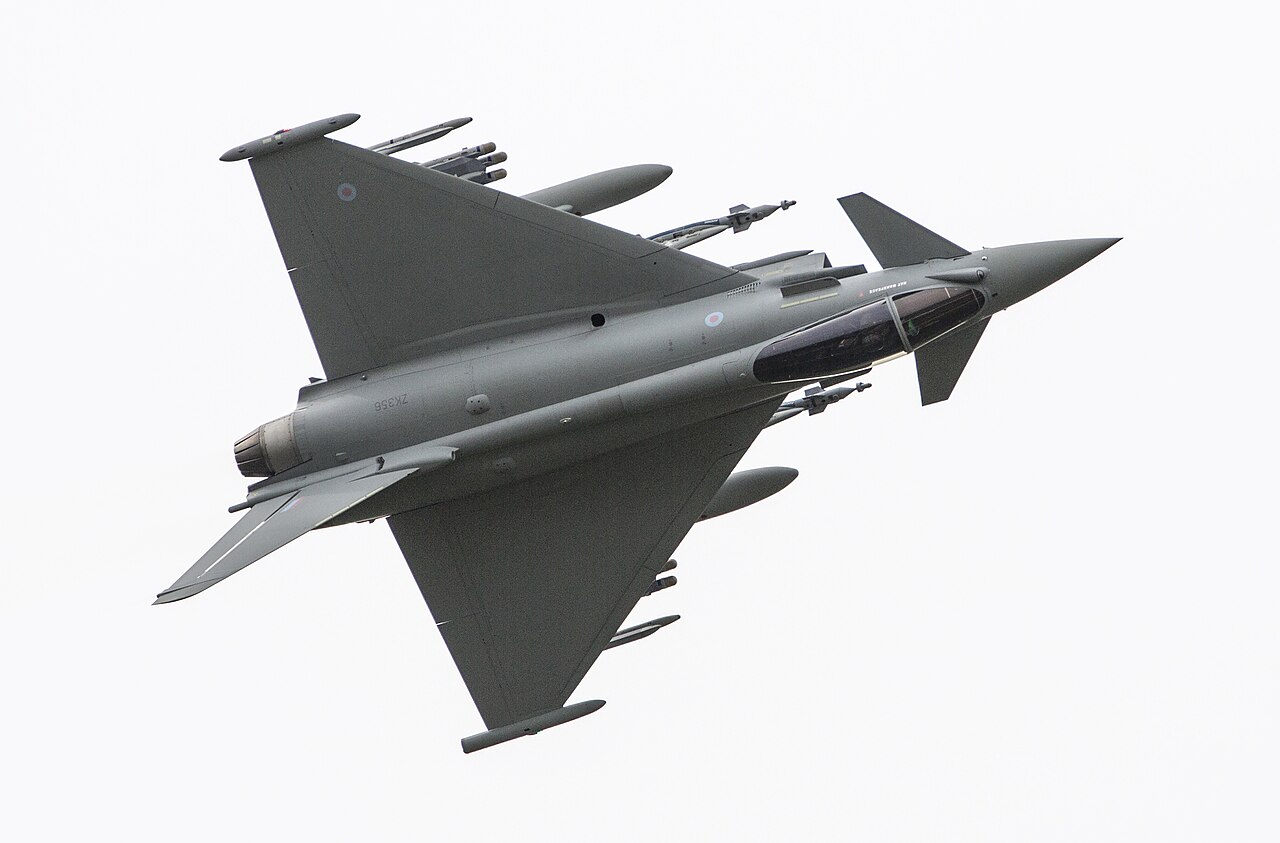
BAE Systems is a British multinational defence, aerospace and security company headquartered in Farnborough, Hampshire, best known for the Typhoon fighter, Astute-class submarines, Type 26 frigates and the US Bradley fighting vehicle. It employed 111,400 people in 2025 and reported record sales of £30.7 billion.
Europe’s largest defence contractor by most rankings has its biggest single market in the United States, with the UK, Saudi Arabia and Australia following, according to Wikipedia. Its order backlog stood at a record £83.6 billion at the end of 2025 and rose to £84.0 billion at the half-year point in 2026. This profile covers what the company does, how many people it employs, how it makes money and where it stands after its FY2025 and H1 2026 results.
What Does BAE Systems Do?
BAE Systems designs, builds and supports combat aircraft, warships, submarines, armoured vehicles, weapons, electronics and cyber and intelligence systems for governments. Its work ranges from Typhoon production and F-35 industrial partnership to naval shipbuilding at Barrow-in-Furness and vehicle production in the United States.
| Item | Detail |
|---|---|
| Headquarters | Farnborough, Hampshire (registered office: 6 Carlton Gardens, London) |
| Formed | 30 November 1999, from British Aerospace and Marconi Electronic Systems |
| Employees | 111,400 in more than 40 countries (2025, including HQ staff of 3,900) |
| Sales | £30.7 billion (2025) |
| Underlying EBIT | £3.32 billion (2025) |
| Order backlog | £83.6 billion (end 2025); £84.0 billion (June 2026) |
| Chief executive | Charles Woodburn (since 2017) |
| Chair | Cressida Hogg (since 2023) |
| Listing | London Stock Exchange, FTSE 100 |
What Are BAE Systems’ Main Products and Business Sectors?
The group reports five sectors. Air and Maritime are the largest by sales, while Platforms & Services (US) grew fastest in 2025.
| Sector | Sales 2025 | Underlying EBIT | Employees | Known programmes |
|---|---|---|---|---|
| Air | £9,299m | £1,108m | 30,600 | Typhoon, F-35 partnership, GCAP, Hawk |
| Maritime | £6,797m | £457m | 31,900 | Astute and Dreadnought submarines, Type 26 frigate |
| Electronic Systems | £7,528m | £1,162m | 22,400 | Avionics, sensors, APKWS, THAAD seeker |
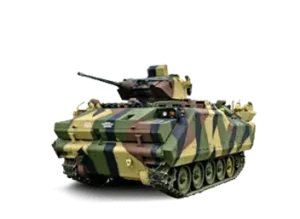
| Platforms & Services (US) | £5,039m | £576m | 12,100 | Bradley, AMPV, M109A7 Paladin, M777 |
| Cyber & Intelligence | £2,397m | £223m | 10,500 | Intelligence, cyber and space systems |
How Many Employees Does BAE Systems Have?
BAE Systems reported 111,400 employees in more than 40 countries at the end of 2025, of whom 3,900 were in group headquarters. Maritime (31,900) and Air (30,600) are the biggest sectors by headcount, and those figures include equity-accounted investments. The company said it recruited more than 2,500 early-careers employees in 2025 and had a record 6,800 apprentices, graduates and undergraduates in training across its UK businesses.
BAE Systems Revenue and Financial Results
| Measure | FY2025 | H1 2026 |
|---|---|---|
| Sales | £30.7bn (+10% constant currency) | £15,772m (+9%) |
| Underlying EBIT | £3.32bn (+12%) | £1,701m (+11%) |
| Underlying EPS | 75.2p (+12%) | 38.9p (+13%) |
| Order intake | £36.8bn | £16.4bn |
| Order backlog | £83.6bn (+£5.8bn) | £84.0bn |
| Free cash flow | £2.2bn | £1,791m (boosted by customer advances) |
| Dividend | 36.3p total (+10%) | 15.0p interim |
For 2026 the company raised its guidance at the half year to sales growth of 8% to 10%, underlying EBIT growth of 10% to 12% and underlying EPS growth of 11% to 13%, with free cash flow above £2.0 billion. The February guidance had been 7% to 9% for sales and above £1.3 billion for cash flow. In 2025 it returned £1.5 billion to shareholders through dividends and a £502 million buyback.
Who Owns BAE Systems and How Did It Grow?
BAE Systems is a publicly listed company with no controlling shareholder. Wikipedia lists Capital Group as the largest holder with 14.18% in 2022, followed by BlackRock at 9.90%, though holdings change. Its growth came through mergers and acquisitions, especially in the United States.
| Year | Event |
|---|---|
| 1999 | British Aerospace merges with Marconi Electronic Systems in a £7.7 billion deal |
| 2004 | Acquires Alvis Vickers, the UK armoured vehicle maker |
| 2005 | Acquires United Defense Industries, maker of the Bradley |
| 2007 | Acquires Armor Holdings |
| 2008 | Acquires Tenix Defence in Australia |
| 2024 | Buys Ball Aerospace for $5.6 billion, its largest acquisition |
| 2025 | Record sales of £30.7 billion and backlog of £83.6 billion |
Which Countries and Programmes Drive BAE Systems’ Orders?
The United States is the largest market, followed by the UK, Saudi Arabia and Australia (Wikipedia). The 2025 results highlighted a Typhoon deal with Türkiye worth £4.6 billion, Norway’s selection of the Type 26 frigate valued at about £10 billion, and a $1.2 billion US Space Force missile-tracking satellite contract. The H1 2026 report added a £5.9 billion Dreadnought submarine contract, an M109A7 Paladin award of $535 million and a seven-year THAAD infrared seeker framework agreement.
Recent Contracts and Developments
The company’s US land business is busy with submarine work as well as vehicles. BAE Systems Land & Armaments won a $137.7 million award to build Virginia-class submarine propulsors at its Louisville, Kentucky, facility.
Elsewhere in the industry, BAE competes and partners in fighter markets that Airbus is pursuing with the Eurofighter in Portugal, while the F-35 programme in which BAE is an industrial partner keeps reaching customers, as with Finland’s first F-35A. Raytheon and other primes are also drawing large orders, such as the AMRAAM multiyear deal. At H1 2026 BAE also unveiled Brontanax, described as the UK’s first uncrewed autonomous collaborative combat aircraft, at Farnborough.
BAE Systems FAQ
Where is BAE Systems headquartered?
Its operational headquarters is in Farnborough, Hampshire, while the registered office is 6 Carlton Gardens, London.
How many employees does BAE Systems have?
111,400 at the end of 2025, in more than 40 countries.
What is BAE Systems’ annual revenue?
Sales were a record £30.7 billion in 2025, and £15.8 billion in the first half of 2026.
Who is the CEO of BAE Systems?
Charles Woodburn, chief executive since 2017.
What does BAE Systems make?
Combat aircraft such as Typhoon, submarines and frigates, armoured vehicles such as Bradley and AMPV, weapons, electronics and cyber systems.
Is BAE Systems involved in the F-35?
Yes, as an industrial partner on the programme, according to public references.
Is BAE Systems the biggest defence company in Europe?
Wikipedia describes it as the largest in Europe and sixth largest in the world; rankings vary by year and method.
- BAE Systems – 2025 full year results: baesystems.com
- BAE Systems – Preliminary Results Announcement 2025 (FCA filing): data.fca.org.uk
- BAE Systems – 2026 Half Year Results: investegate.co.uk
- Wikipedia – BAE Systems
- UK Defence Journal – BAE Systems reports record sales and £83.6bn order backlog