Top 10 Naval Shipbuilders in the World in 2026
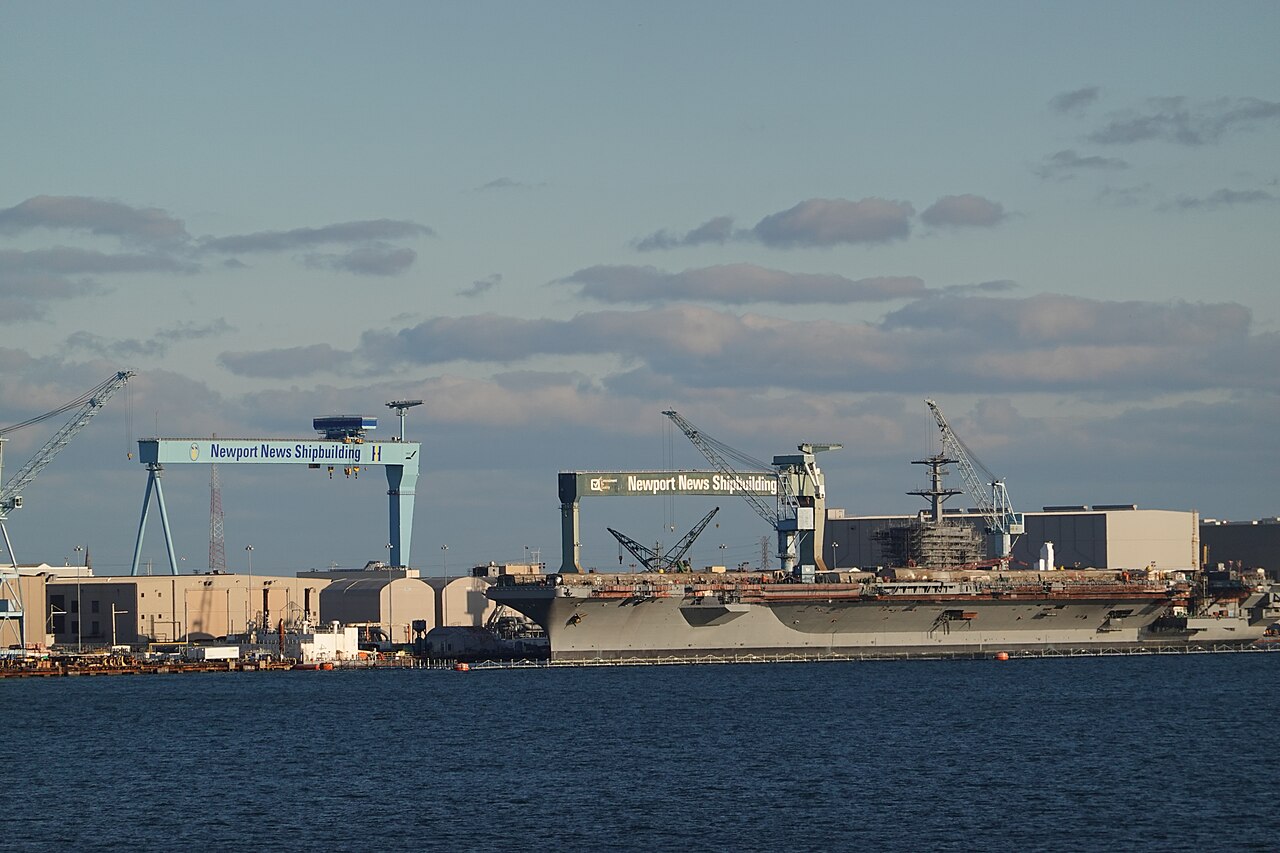
The world’s top naval shipbuilders in 2026 span three continents and two very different models, state-scaled Asian conglomerates launching warships by the dozen and Western yards guarding exquisite but slow submarine and carrier know-how. This ranking orders the ten most consequential warship builders by naval output, order book, technology depth and export reach.
How this ranking works
The ranking weighs current naval construction volume and order book first, then technology depth, nuclear boats, carriers, AEGIS-class integration, then export success and the health of the industrial base behind each yard. State subsidies are treated as a fact of the market rather than a disqualifier, and commercial shipbuilding counts only insofar as it feeds naval capacity. Figures drawn from company reporting are noted as such. Consistent with this site’s editorial policy, companies and platforms headquartered in Israel are excluded from consideration.
The top ten, one to ten
| Rank | Builder | Country | Edge |
|---|---|---|---|
| 1 | CSSC | China | Unmatched volume; destroyers, carriers and submarines in parallel series production |
| 2 | HII | USA | America’s only nuclear carrier builder; Virginia-class partner; ~44,000 employees |
| 3 | General Dynamics Marine | USA | Electric Boat’s submarine primacy, Columbia and Virginia classes; Bath-built destroyers |
| 4 | Hanwha Ocean | South Korea | Aggressive naval exporter, KDX destroyers, submarines, US Navy maintenance entry |
| 5 | HD Hyundai Heavy Industries | South Korea | World-class throughput; Aegis destroyers delivered on commercial timelines |
| 6 | Fincantieri | Italy | FREMM and PPA export machine; US Constellation-class designer |
| 7 | Naval Group | France | Full-spectrum, nuclear submarines to carriers; global export footprint |
| 8 | TKMS | Germany | The West’s dominant conventional submarine exporter |
| 9 | BAE Systems Maritime | UK | Type 26 frigate exported to three navies; Astute and AUKUS submarine work |
| 10 | Mitsubishi Heavy Industries | Japan | Mogami-class frigates on remarkable build tempo; Australia export win |
China’s CSSC takes first on sheer industrial gravity, a single state group whose annual warship tonnage exceeds entire Western navies’ plans, though per-ship quality and combat systems maturity remain debated outside China. HII holds second as the indispensable yard of American seapower, with General Dynamics’ Electric Boat close behind on the strength of the Columbia program, the US Navy’s top priority. The Korean pair at four and five have turned commercial discipline into naval delivery speed no Western yard matches, and Fincantieri anchors Europe’s list presence with an export order book from Indonesia to the United States.
| Program | Why it matters |
|---|---|
| Columbia-class SSBN (General Dynamics) | America’s top naval priority and its tightest industrial squeeze |
| Fujian and successor carriers (CSSC) | China’s leap into catapult-equipped carrier aviation at series pace |
| Constellation-class (Fincantieri) | Europe’s biggest design export to the US Navy, struggling with redesign delays |
| AUKUS submarines (BAE Systems, with partners) | A three-nation nuclear program that will reshape two industrial bases |
| Mogami-class exports (Mitsubishi) | Japan’s first major warship export win, 2-year build times as the pitch |
The Asian production advantage
The decisive 2020s story is tempo. Chinese and Korean yards launch major combatants in timeframes Western programs spend on reviews, because naval work rides atop massive commercial shipbuilding ecosystems, shared steel flow, block construction at scale, and workforces in the tens of thousands. Japan’s Mitsubishi builds a Mogami frigate in roughly two years, and Korea’s duo now bid on allied navies’ work directly, including US maintenance contracts, a politically loaded expansion Washington has so far encouraged. The West’s answer, so far, is partnership rather than imitation.
Europe’s export specialists
Europe’s yards survive on exports and niches. Naval Group sells sovereignty-friendly submarines and frigates with technology transfer; TKMS, profiled here, dominates the conventional submarine market from Kiel; BAE’s Type 26 became the rare Western design adopted by three navies before the first ship commissioned. The consolidation question hangs over all of them, and 2026’s defining move, Rheinmetall’s purchase of Germany’s NVL, suggests the answer will come from outside traditional shipbuilding as often as within it. How these fleets stack up on the water is a separate question, covered in our ranking of the world’s navies.
The American capacity crunch
The US holds the technology crown, nuclear carriers and the world’s best submarines, and the list’s worst capacity story. Virginia-class output has run below the two-per-year target for years, destroyers deliver late, and workforce attrition remains brutal. The responses, multi-billion-dollar submarine industrial base investments, outsourcing modules to new suppliers, and inviting Korean yards into maintenance work, amount to the largest rebuild of American naval shipbuilding since the 1980s. Whether it works determines if ranks two and three still sit above the Korean pair by 2030.
Frequently asked questions
Who is the largest naval shipbuilder in the world?
China’s CSSC by volume and workforce. Among Western builders, HII is the largest dedicated military shipbuilder.
Which country builds warships the fastest?
China in aggregate; per ship, Japanese and Korean yards set the pace, with Mogami-class frigates built in roughly two years.
Who builds US Navy submarines?
General Dynamics Electric Boat and HII’s Newport News Shipbuilding, working as a two-yard team on the Virginia and Columbia classes.
Why are Korean shipbuilders rising so fast?
They apply commercial shipbuilding scale and discipline to naval work, delivering Aegis-class destroyers and submarines on schedules and prices Western yards struggle to match.
Which European yard exports the most warships?
By recent order flow, Fincantieri and Naval Group lead in surface combatants, while TKMS dominates conventional submarine exports.
- Company annual reports and program announcements (company-reported figures noted)
- Wikipedia – articles on the listed shipbuilders (accessed October 2026)
- Public naval program reporting across the US, Europe and Asia
- Defence & Tech reporting on naval industry consolidation