
Azerbaijan Puts Its Own Defense Industry Center Stage at ADEX 2026

For the first time at an ADEX, Azerbaijan has an entire pavilion to itself. Pavilion 4 of the Baku Expo Center houses the country’s national defense exposition at ADEX 2026, the clearest statement yet of Baku’s ambition to move from arms importer to arms producer and exporter.
Azerbaijan’s defense budget in 2026
Azerbaijan’s 2026 state budget allocates about 8.7 billion manats, roughly $5.1 billion, to defense and national security, an increase of 3.8 percent over 2025. Oil and gas revenue has funded two decades of rearmament, but the emphasis has shifted since the 2020 and 2023 campaigns in Karabakh: less off-the-shelf buying, more building at home.
What Azerbaijan’s defense industry produces
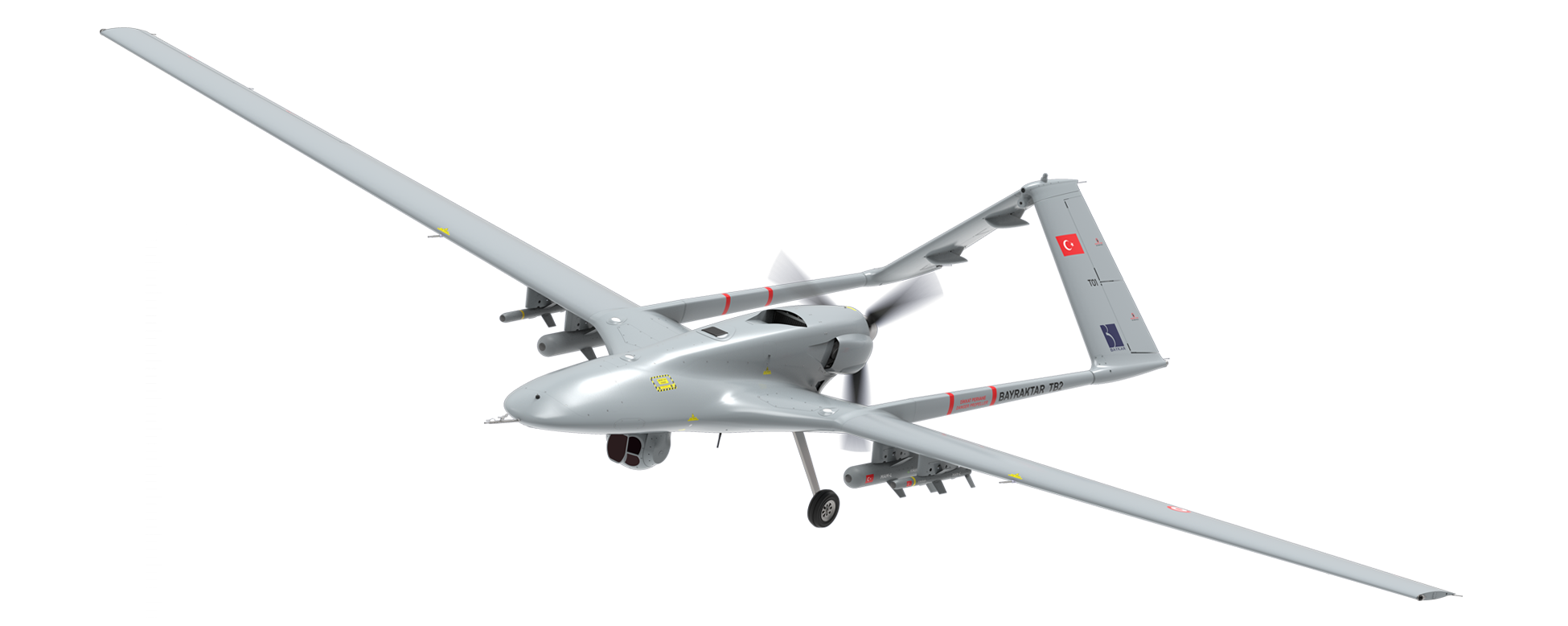
The Ministry of Defense Industry puts the domestic catalogue at more than 1,000 military products, spanning small arms and ammunition, mortars and artillery components, armored vehicles, optics and a growing family of unmanned systems. Local plants assemble and increasingly localize foreign designs, with Turkish and other partners, while state bodies court co-production deals. President Ilham Aliyev has tasked the government with building an industrial cluster meant to serve domestic demand and exports at once, as Eurasianet has reported, and officials describe the South Caucasus, Central Asia and the Middle East as target markets.
| Indicator | Detail |
|---|---|
| 2026 defense and security budget | About 8.7 billion manats (roughly $5.1 billion), up 3.8 percent |
| Domestic product range | More than 1,000 military products, per the ministry |
| Showcase | Pavilion 4 national exposition at ADEX 2026 |
| Focus areas | Unmanned systems, ammunition, small arms, armored vehicles, optics |
| Stated goal | Regional arms exporter serving the Caucasus, Central Asia and Middle East |
The Karabakh dividend
The 2020 war is the industry’s founding story as much as its marketing pitch. Azerbaijan’s drone-led campaign was studied by militaries worldwide, and it taught Baku two lessons it has spent the budget years since applying. The first was that unmanned systems and precision munitions, not tank fleets, decide modern regional wars, which is why those categories anchor the domestic product line. The second was the risk of depending on foreign suppliers in wartime, which is why localization, license production and joint ventures with Turkish and other partners have been the policy ever since. Pavilion 4 is the public version of that policy.
The gap between ambition and order book
Ambition is not yet an export record. Azerbaijan’s disclosed foreign sales remain modest and concentrated in ammunition, mortars and light equipment, and the domestic drone lines still lean on imported components. The comparison Baku invites, with Turkiye’s twenty-year industrial climb, also shows what it takes: sustained budgets, protected domestic orders, and export customers willing to buy from a newcomer. The first two exist. ADEX is where Baku goes looking for the third.
That is what makes Pavilion 4 more than symbolism. Fifty-nine foreign delegations walked the show on opening day, and every one of them passed stands of Azerbaijani hardware pitched for export. Whether any of it converts into contracts will say more about the industry’s trajectory than the pavilion itself. The wider context from the opening is in our main report on ADEX 2026.
- APA and AZERTAC – ADEX 2026 opening coverage (September 30, 2026)
- Eurasianet – “Azerbaijan: Baku aims to become regional arms dealer”
- Meydan TV – “Azerbaijan Looks to Greater Reliance on Domestically Produced Weapons”
- Azerbaijani 2026 state budget reporting on defense allocations
- adex.az – national exposition announcements