
Top 10 Navies in the World in 2026
The most powerful navies of 2026 are led, in different currencies, by the United States and China, one in tonnage, reach and carriers, the other in hulls, shipyards and momentum, above a field being reshaped by drones, deep magazines and the Red Sea’s lessons. This ranking weighs combat power, reach, industry and experience; the methodology is below. Fleet counts are open estimates and move monthly.
How this ranking works
| Criterion | Weight |
|---|---|
| High-end combat power (carriers, SSNs, AAW ships) | 30 |
| Global reach and logistics | 20 |
| Shipbuilding and sustainment industry | 20 |
| Operational experience and readiness | 15 |
| Modernization trajectory | 15 |
1. United States Navy
Eleven nuclear carriers, about 70 submarines all-nuclear, ~290 battle-force ships near 4.5 million tonnes, and the only truly global logistics train, plus more live air-and-missile-defense combat since 2023 than every rival combined, from Red Sea interceptions to strikes. The asterisks are industrial: yards late on submarines and destroyers while magazines deplete faster than they refill.
2. People’s Liberation Army Navy
The world’s largest fleet by hulls, 370-plus and climbing toward 400, three carriers with Type 055 cruisers as escorts, and a shipbuilding complex launching a European navy’s tonnage yearly. Quality curves bend upward fast; blue-water logistics, allied ports and combat experience remain the gaps, none of them permanent.
3. Russian Navy
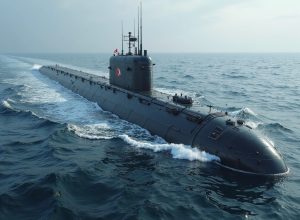
A submarine force, Yasen-M boats and the strategic fleet, that still commands second-strike respect, atop a surface navy the Ukraine war has humiliated: flagship lost to missiles, Black Sea fleet displaced by drones from a nation without one. Ranked third on undersea and nuclear weight while its surface line ages toward coastal relevance.
4. Japan Maritime Self-Defense Force
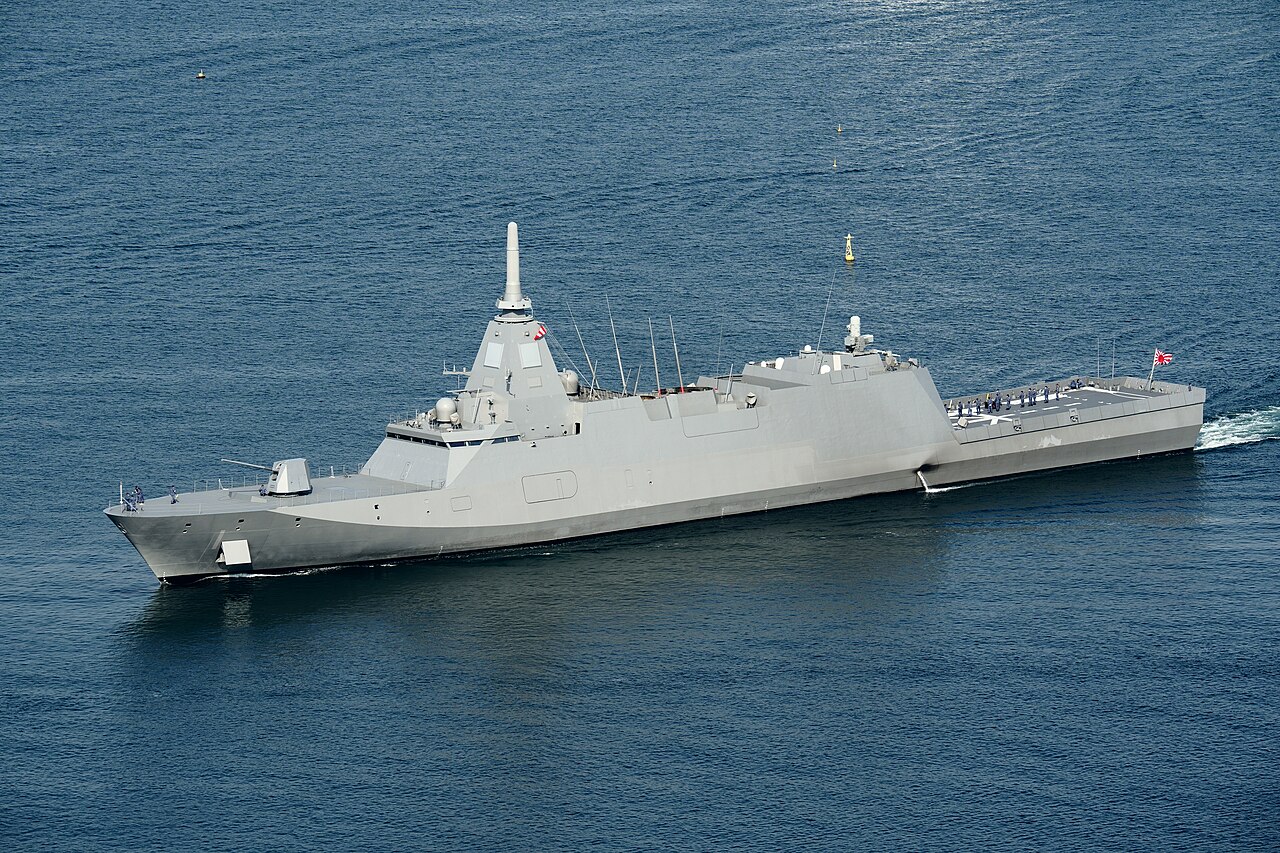
The quality benchmark: Aegis destroyers second in number only to America’s, the Mogami frigate line winning exports, Izumo decks taking F-35Bs, and ASW craft honed for exactly its neighborhood’s submarines. Constitutional and magazine-depth limits are loosening yearly.
5. Royal Navy
Two big-deck carriers, a credible SSN force and the West’s deepest operational habits, stretched over too few escorts and manning gaps; the Type 31s and AUKUS pipeline are the rebuild in progress.
6. French Navy
Europe’s most complete package, nuclear carrier, Suffren SSNs, deterrent boats and bases on every ocean, sized just below British mass but exercised globally and unbound by borrowed technology.
7. Indian Navy
Two carriers, nuclear submarines, and a domestic construction wave from destroyers to the BrahMos-armed small combatants, built explicitly for the Indian Ocean watch on China’s lines. Delivery schedules, not ambition, gate the rank.
8. Republic of Korea Navy
Aegis ships, KSS-III submarines with ballistic missiles, and the world’s most export-hungry naval industry behind them; a fleet built against the North now sized for wider water.
9. Italian Navy
The Mediterranean’s most balanced force, carrier aviation, FREMMs, the DDX destroyers coming, and Red Sea escort combat freshly logged.
10. Turkish Navy
The climber: TCG Anadolu operating drones instead of jets, MILGEM lines exporting while building at home, indigenous frigates, submarines under license and a missile ecosystem going national. Blue-water logistics are next; trajectory earns the slot over larger but static fleets.
The unmanned wildcard
Ukraine holds no slot on this list and sank or displaced much of a fleet that does, using sea drones a fraction of a frigate’s price, the decade’s loudest naval fact. Every ranked navy is responding in kind: American USV squadrons and the new robotics warfare center, Chinese drone-carrier experiments, Turkish and European unmanned surface programs multiplying. Hull counts above may soon need an asterisk: the fleets that master cheap, attritable mass first will outrank their tonnage.
Watching from just outside
Germany’s fleet funds faster than it floats; Australia waits on AUKUS steel; Indonesia and Singapore anchor Southeast Asia’s rise. The decade’s theme is unmanned: every navy above is bolting drones to its order of battle, and the next edition of this list may count uncrewed hulls as seriously as crewed ones.
Frequently asked questions
Who has the strongest navy in 2026?
The United States by combat power, reach and experience; China leads in hull count and build rate.
Is China’s navy bigger than America’s?
In ships yes, 370-plus to about 290; in tonnage, carriers and submarines the US remains well ahead.
Why is Russia still ranked third?
Its submarine and strategic forces; the surface fleet’s Ukraine losses argue lower, the undersea arm argues higher.
Which navy improved most this decade?
South Korea and Turkey by industry and export momentum; Japan by capability unlocked.
Do these rankings count experience?
Yes; Red Sea and Black Sea combat since 2023 weighs meaningfully, favoring the US, European escorts and, asymmetrically, Ukraine’s drone force.
- Open fleet estimates (2026) across public references
- Defence & Tech naval coverage linked throughout
- Public reporting on Red Sea and Black Sea operations