Saab and GA-ASI Flight Test LoyalEye Radar on the MQ-9B
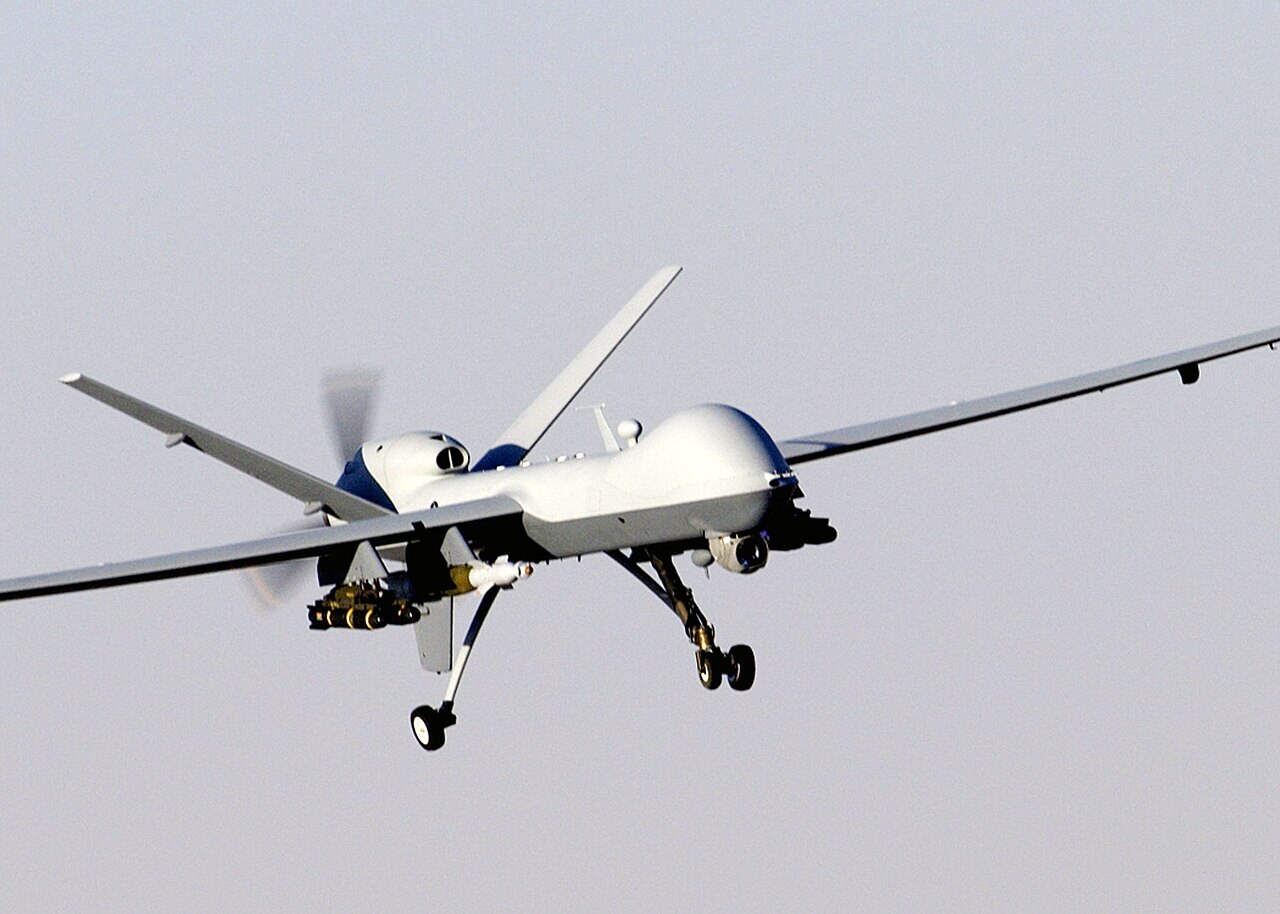
Saab and General Atomics Aeronautical Systems (GA-ASI) have flight tested an unmanned airborne early warning capability, pairing Saab’s LoyalEye radar with the MQ-9B remotely piloted aircraft. Saab announced the result on October 28, saying the system detected, tracked and classified airborne targets from an unmanned platform.
The flight took place at GA-ASI’s Desert Horizon Flight Operations Facility in Southern California. Stakeholders watched the test in real time in what Saab described as a representative operational scenario.
LoyalEye Radar Flies on the MQ-9B
| Item | Detail |
|---|---|
| Companies | Saab and General Atomics Aeronautical Systems (GA-ASI) |
| System tested | Saab LoyalEye airborne early warning radar on the MQ-9B |
| Location | GA-ASI Desert Horizon Flight Operations Facility, Southern California |
| Demonstrated | Detection, tracking and classification of airborne targets |
| Programme start | First flight of the system in May 2026 |
| Announced | October 28, 2026 |
“This flight test marks an important milestone in the development of unmanned airborne early warning capabilities,” said Carl-Johan Bergholm, head of Saab’s Surveillance business area. He said LoyalEye is designed to complement existing airborne early warning and control (AEW&C) solutions by adding flexibility and persistence.
GA-ASI President David R. Alexander called it “one of the most highly anticipated flight tests we have performed” and said customer interest in AEW capability on the MQ-9B is “extremely high”. Neither company has published detection range, altitude or endurance figures for the combination.
The Case for an Unmanned Early Warning Aircraft
Airborne early warning aircraft carry a large radar high above the battlefield so that it can see low-flying aircraft and cruise missiles long before ground radars can. The aircraft that do this today are usually crewed, which means a flight crew sits close to the threat for many hours.
Saab says an unmanned version can watch large areas persistently where endurance, geographic reach and reduced aircrew exposure matter most. It can operate on its own or alongside crewed AEW&C aircraft, the company said. That reading of the benefit is Saab’s; the test did not measure endurance.
LoyalEye and GlobalEye Compared
Saab already sells a crewed airborne early warning aircraft, GlobalEye, and it describes LoyalEye as a complement rather than a replacement.
| Aspect | LoyalEye on MQ-9B | GlobalEye |
|---|---|---|
| Platform | GA-ASI MQ-9B remotely piloted aircraft | Saab GlobalEye AEW&C aircraft |
| Aircrew on board | None | Yes |
| Saab positioning | Added flexibility and persistence alongside crewed aircraft | Crewed airborne early warning and control |
| Status | Flight testing; first flight May 2026 | Customer interest includes the Netherlands (letter of intent) and Canada (term sheet) |
| Performance figures | Not published | Not covered by this announcement |
Saab Company Profile
| Item | Detail |
|---|---|
| Headquarters | Stockholm, Sweden |
| Founded | 1937, Trollhättan, Sweden |
| Employees | About 31,000 (company, October 2026) |
| Revenue | About SEK 79.1 billion (2025) |
| CEO | Micael Johansson |
| Business areas | Aeronautics, weapons, command and control, sensors, underwater systems |
| Known programmes | Gripen fighter, GlobalEye, Giraffe radars, Carl-Gustaf, Gotland-class submarines |
From First Flight to Customer Demonstration
The October test follows a first flight in May and is part of what Saab calls an evaluation programme. The timing sits beside a busy month for the company’s airborne surveillance business, which also covers GlobalEye interest from the Netherlands and Canada and a strong quarter for orders, covered in our look at Saab’s Q3 order bookings.
| Date | Event |
|---|---|
| May 2026 | First flight of LoyalEye on the MQ-9B |
| September 10, 2026 | Netherlands signs a letter of intent with Sweden for a GlobalEye aircraft |
| September 25, 2026 | Saab and Canada’s Defence Investment Agency sign a non-binding term sheet for GlobalEye |
| October 28, 2026 | Saab and GA-ASI announce the successful LoyalEye flight test |
LoyalEye on MQ-9B FAQ
What is LoyalEye?
LoyalEye is Saab’s airborne early warning radar. In this test it was integrated with the GA-ASI MQ-9B remotely piloted aircraft to detect, track and classify airborne targets.
Where was the flight test held?
At GA-ASI’s Desert Horizon Flight Operations Facility in Southern California.
When did the programme start flying?
The evaluation programme began with the system’s first flight in May 2026.
Does LoyalEye replace GlobalEye?
No. Saab says LoyalEye is designed to complement existing AEW&C solutions and can operate alone or alongside crewed aircraft.
Has a customer ordered it?
The announcement names no customer. GA-ASI said interest in AEW capability on the MQ-9B is extremely high.
- Saab – “Saab and GA-ASI successfully flight test LoyalEye AEW capability on MQ-9B” (press release, October 28, 2026): saab.com
- Defence Industry Europe – “Saab and General Atomics test LoyalEye radar on MQ-9B to detect and track airborne target” (October 28, 2026)
- Saab – press releases on GlobalEye and Canada (September 25, 2026) and the Netherlands (September 10, 2026)
- Wikipedia – Saab AB (company data)