
BEYOND THE STEEL: THE STRATEGIC DOMINANCE OF MODERN ARMORED VEHICLES
GLOBAL DEFENSE DESK — In the modern security landscape, the line between “safety” and “vulnerability” is often measured by the thickness and technology of a vehicle’s armor. Armored vehicles are no longer just heavy trucks with metal plates; they are sophisticated mobile fortresses designed to protect lives while projecting power in the world’s most hostile environments.
What is an Armored Vehicle?
At its core, an armored vehicle is a mobile platform integrated with protective materials—ranging from high-strength steel and ceramics to advanced composite layers—designed to withstand ballistic impacts, mine blasts, and improvised explosive devices (IEDs).

Military vs. Law Enforcement: Who Uses What?
The choice of an armored vehicle depends entirely on the threat level and the mission profile.
1. Military Operations (The Heavy Hitters)
Ground forces require vehicles that can survive high-intensity warfare and navigate off-road terrains.
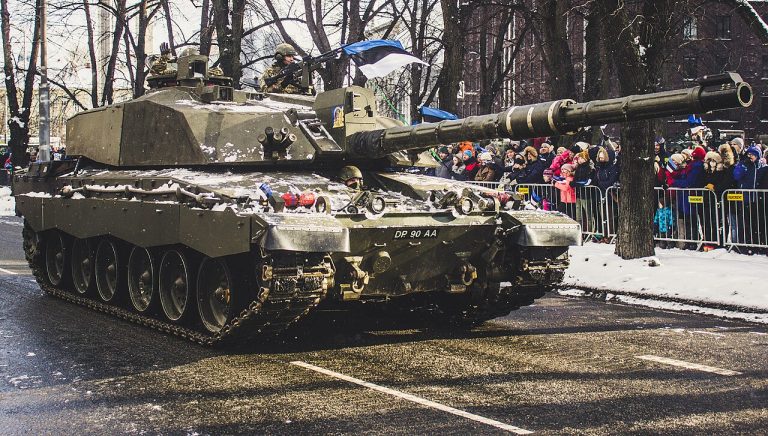
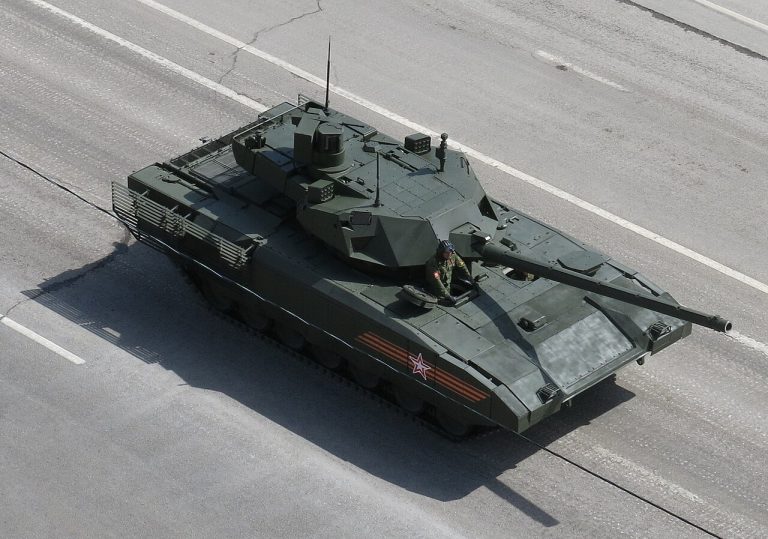
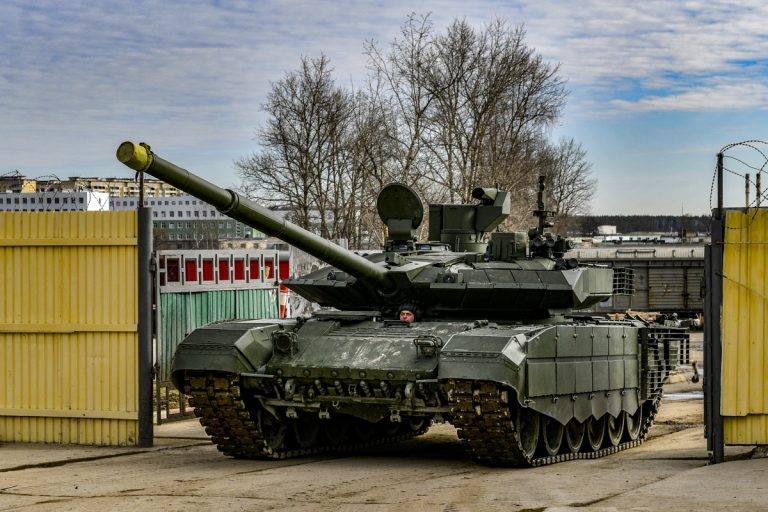
Main Battle Tanks (MBTs): The ultimate heavy armor for direct engagement.
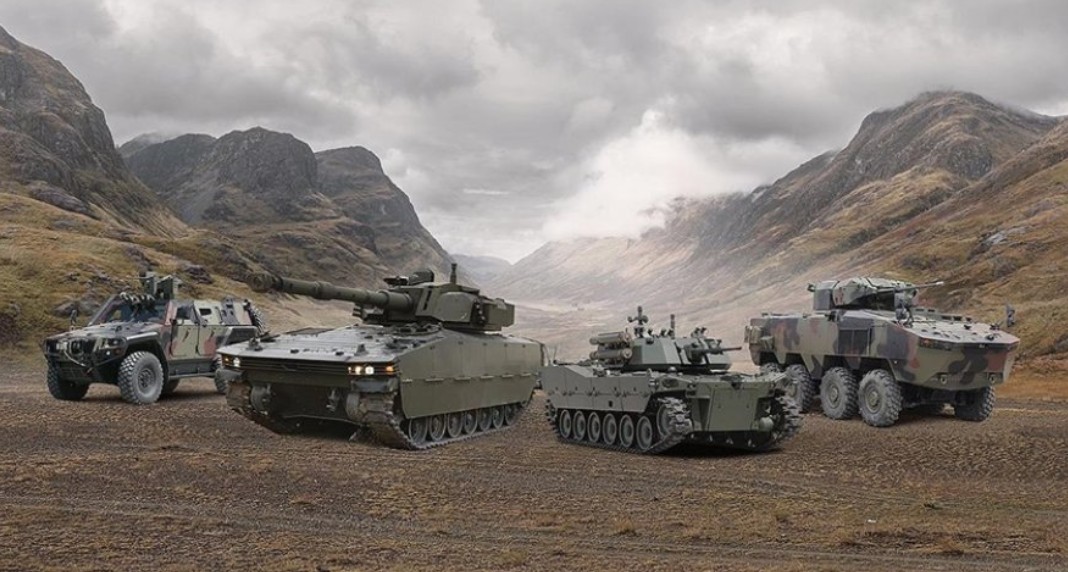
Infantry Fighting Vehicles (IFVs): Designed to carry troops into the heat of battle while providing heavy fire support (e.g., Bradley, Puma).
MRAPs (Mine-Resistant Ambush Protected): Featuring V-shaped hulls to deflect under-belly blasts, these are essential for counter-insurgency and convoy protection.
2. Police & Special Forces (Tactical Agility)
Law enforcement and SWAT/Special Operations teams prioritize urban mobility, psychological deterrence, and modularity over heavy cannons.
LAVs (Light Armored Vehicles): Faster and more compact, these allow Special Forces to insert into tight urban environments.
Ballistic SUVs: Used for VIP protection and high-risk arrests, offering discreet protection that blends into city traffic.
Riot Control Vehicles: Equipped with non-lethal deterrents (water cannons, acoustic devices) and reinforced glass to handle civil unrest.
Key Benefits of Modern Armor
Force Multiplication: A single armored unit can hold a position that would otherwise require dozens of unprotected soldiers.
Psychological Advantage: The presence of armor provides “moral armor” to the troops inside while intimidating hostile forces.
Electronic Integration: Modern units act as mobile command centers, equipped with jammers, thermal imaging, and real-time data links.