Shahed-136 Specs, Range, Warhead and Geran-2 Variants
The Shahed-136, an Iranian delta-wing one-way attack drone reported to carry a 30 to 50 kg warhead, has become the most widely used long-range strike drone in modern war, produced in Russia as the Geran-2. Its appeal is cost, a price estimated in the tens of thousands of dollars, and sheer numbers.
What is the Shahed-136
The Shahed-136 is a propeller-driven loitering munition with a tailless delta wing, built by Iran’s Shahed Aviation Industries for the Islamic Revolutionary Guard Corps. It flies a pre-programmed route to GPS coordinates and dives into its target. It is sometimes grouped with loitering munitions, although it has no operator-in-the-loop loitering phase in its basic form.
Iran showed the design in public around 2021 and used variants with Houthi forces in Yemen. Russia began launching it against Ukraine in September 2022 and later built its own copies at the Alabuga plant in Tatarstan. Our Bayraktar TB2 vs Shahed-136 comparison covers how the two very different drones shaped the war.
Shahed-136 specifications
| Parameter | Value | Status |
|---|---|---|
| Length | About 3.5 m | Reported |
| Wingspan | About 2.5 m | Reported |
| Launch weight | About 200 kg | Reported |
| Warhead | 30 to 50 kg high explosive | Reported |
| Engine | Small piston engine, roughly 50 hp, pusher propeller | Reported |
| Cruise speed | About 185 km/h | Manufacturer claims |
| Range | Up to about 2,000 km | Manufacturer claims |
| Guidance | Satellite navigation with inertial backup; later versions add camera and modem links | Reported |
| Launch | Rail-mounted rocket booster from a truck or fixed rack | Reported |
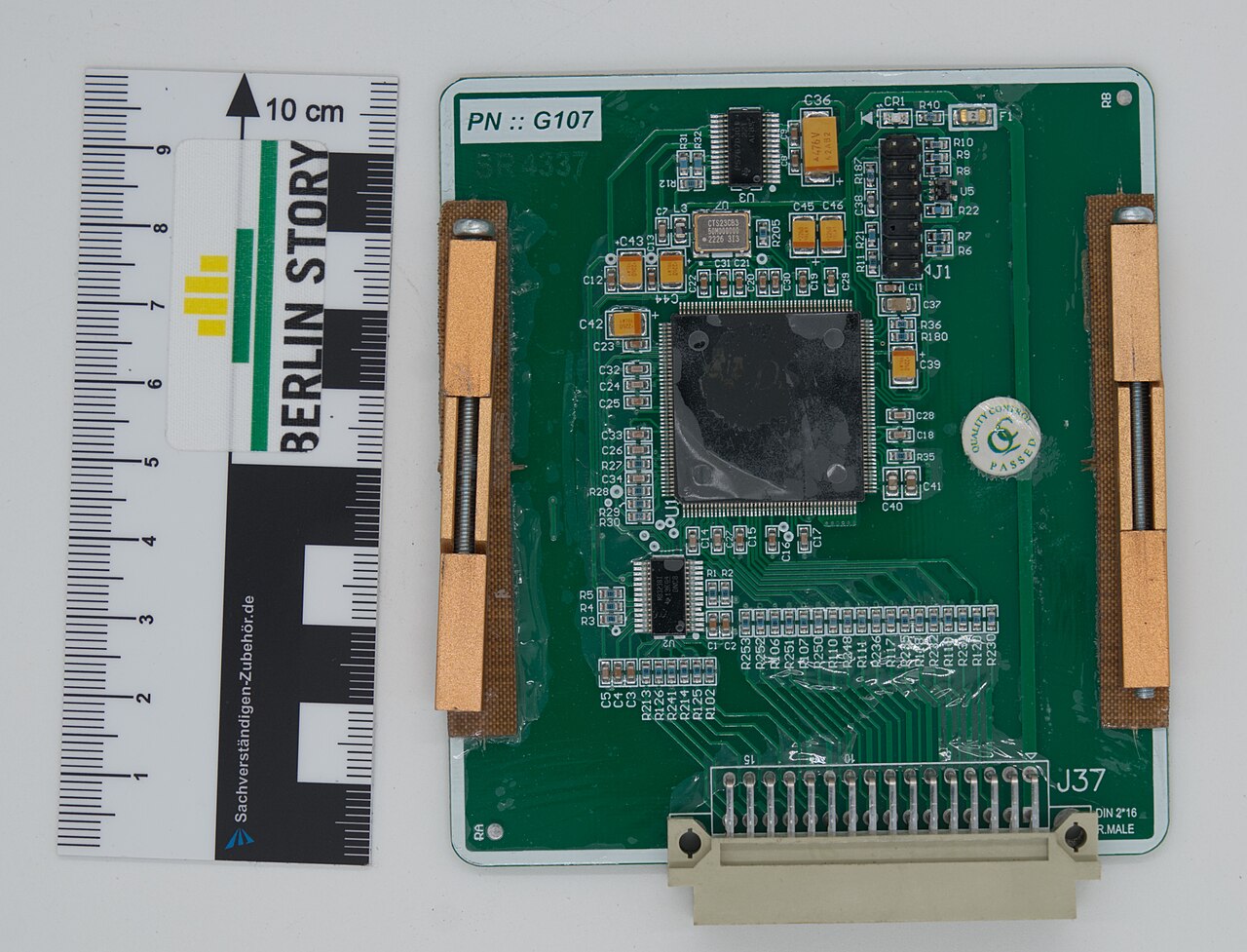
Wreckage analysis has shown that the drone contains mostly commercial parts, including Western-made microelectronics and a piston engine closely based on a German light-aircraft design. That is why sanctions and supply-chain controls matter to its production.
Shahed-136 vs Geran-2
The Russian Geran-2 is essentially the Shahed-136 with Russian assembly and, increasingly, domestic components. Russia reportedly localized most airframe production at Alabuga and has added cameras, cellular modems for mid-course updates, and in some versions thermobaric or fragmentation warheads. A jet-powered variant, Geran-3, was shown in 2025 and is said by Russian sources to fly faster, a claim not confirmed independently.
| Feature | Shahed-136 (Iran) | Geran-2 (Russia) |
|---|---|---|
| Production | Iran | Alabuga, Tatarstan, plus Iranian-built lots early on |
| Navigation | Satellite navigation, inertial | Adds jam-resistant antennas, modem updates |
| Payload options | Blast-fragmentation warhead | Adds alternative warheads, reported |
| Decoys | Not standard | Decoy airframes without warheads reported |
Beyond Iran and Russia, the drone family has been associated with the Houthis in Yemen and with other groups supplied by Tehran, and Iranian forces used Shahed-series drones in large salvos against targets in the Middle East in 2024. Related Iranian designs include the Shahed-131, a smaller sibling, and the Shahed-238, a jet-powered development, although the performance data for both come from Iranian statements and remain unverified.
How effective is the Shahed-136
Its strength is economics. Ukrainian air defenses have to spend interceptors, guns or fighters to stop drones that cost far less. Ukraine’s air force has reported intercepting a large majority of launched drones in many months, often above 80 percent, figures that are operator-reported and do not account for damage from those that got through. Russia launched thousands per month at times, which saturates defenses and lets missiles follow.
Shaheds have hit power stations, apartment blocks and ports, and their use in salvos of dozens or hundreds is now routine. Their basic weakness is slow speed, a loud engine and predictable flight paths, which is why cheap counters work at scale. Russian officials and state media portray the Geran-2 as highly effective, a claim that mixes real damage with propaganda value, so independent damage assessments matter more than either side’s headline numbers.
How to counter Shahed drones
Ukraine developed a layered defense with mobile fire teams, radars, acoustic sensors, interceptor drones, and former air-defense guns such as the Gepard self-propelled gun. Electronic warfare can also push a drone off course. Western militaries are studying cheaper interceptors, including counter-UAS missiles and laser systems, because spending a $1 million missile on a $30,000 drone is unsustainable.
Shahed-136 frequently asked questions
What is the range of the Shahed-136?
Manufacturer claims put the maximum range near 2,000 km, but effective range depends on load and route.
How much does a Shahed-136 cost?
Estimates range from about $20,000 to $50,000, depending on the source and on Russian production changes.
What is the difference between Shahed-136 and Geran-2?
Geran-2 is the Russian-built version, with localized parts and in some cases camera and modem upgrades.
How many Shaheds does Ukraine shoot down?
Ukraine’s air force reports high interception rates, often above 80 percent, which are operator-reported figures.
Who makes the Shahed-136?
Iran’s Shahed Aviation Industries designed it, and Russia produces it under license or copy at Alabuga.
- Conflict Armament Research drone teardown reports
- Ukrainian Air Force public statements (operator-reported)
- Wikipedia – HESA Shahed 136 (accessed October 2026)
- Defence & Tech reporting