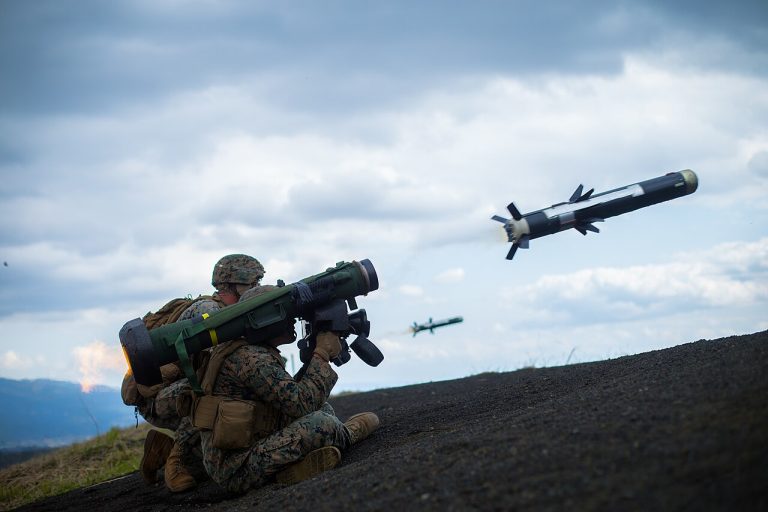
MANPADS and How Aircraft Beat Them, From Flares to Lasers
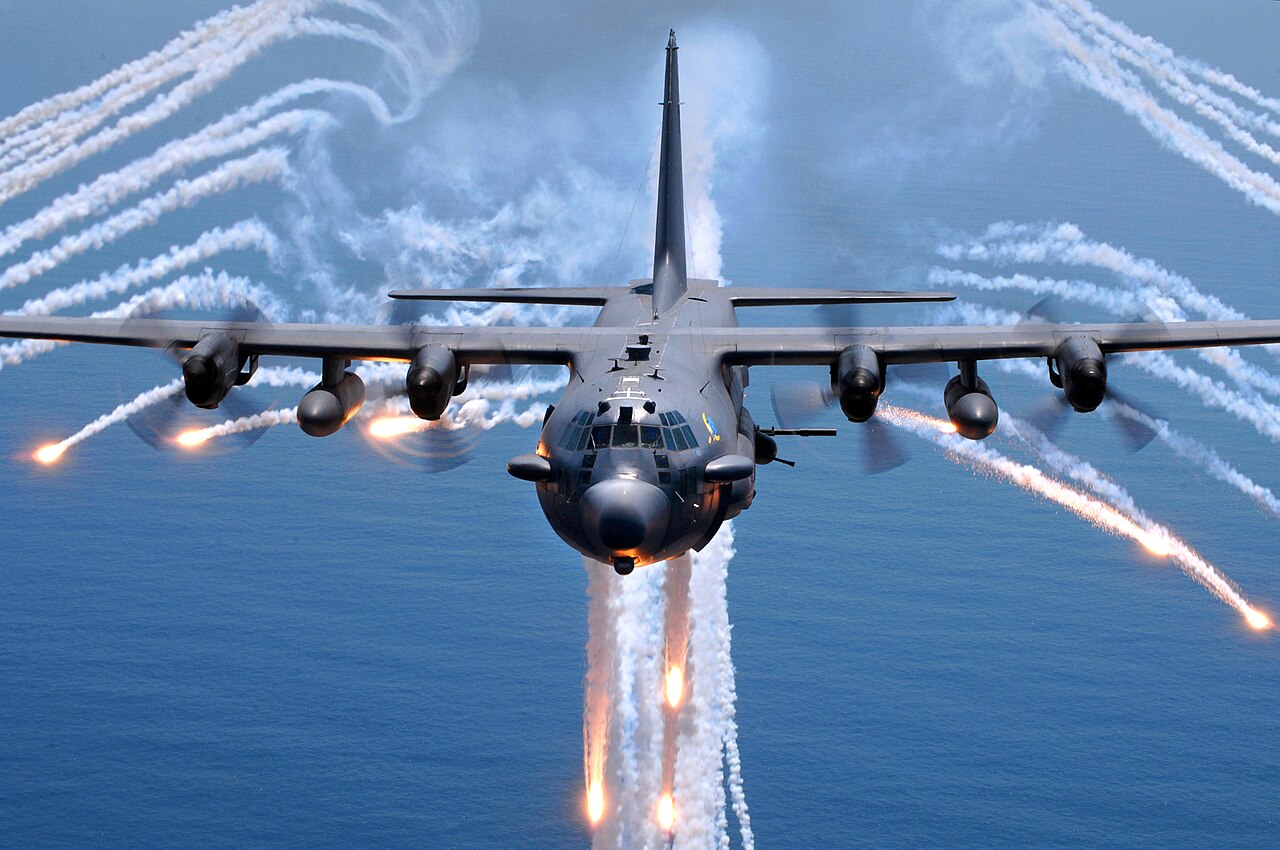
MANPADS, man-portable air defense systems, are shoulder-fired missiles that have brought down more military aircraft over the past fifty years than almost any other single weapon class, and countering them has become a science of its own. This explainer looks at how these missiles find their targets and, in depth, at the layered countermeasures, flares, lasers, warning sensors and tactics, that keep aircrews alive.
What are MANPADS
A MANPADS is a complete surface-to-air missile system light enough for one or two soldiers: a launch tube, a gripstock with electronics and a heat-seeking missile. The American FIM-92 Stinger, the Russian Igla and Verba, the Polish Piorun, the British Starstreak and the French Mistral are the best-known families. Most home on an aircraft’s infrared signature, engine heat and sun-warmed skin, out to five or six kilometers and up to altitudes around three to four kilometers, figures that vary by type.
Their battlefield weight is out of proportion to their size. MANPADS forced Soviet aviation up and away in Afghanistan in the 1980s, and operator-reported tallies from Ukraine credit shoulder-fired missiles with a large share of helicopter and low-level jet losses on both sides, a dynamic explored in our attack helicopter ranking.
How MANPADS seekers work
| Generation | How it tracks | Weakness |
|---|---|---|
| First (spin-scan) | Single detector spins across the scene, chases hottest point | Easily seduced by flares and the sun |
| Second (con-scan) | Conical scanning, better tracking through maneuver | Still flare-vulnerable, improved rejection |
| Third (dual-band / pseudo-imaging) | Two colors or rosette scan compares spectral signatures | Rejects simple flares; spectrally matched flares needed |
| Imaging seekers | Focal-plane array sees a picture of the aircraft | Hardest to decoy; DIRCM and tactics carry the load |
Each generation narrows the countermeasure options. A 1970s seeker chases any hot dot; a modern dual-band seeker compares mid-wave and ultraviolet or two infrared colors and discards objects that do not look like an engine. That arms race, seeker logic against decoy design, is the engine of everything below.
How do aircraft detect a MANPADS launch
Countermeasures begin with knowing you are under attack, because a MANPADS launch is visually tiny and the missile arrives in seconds. Missile approach warning systems (MAWS) watch for the ultraviolet or infrared bloom of a rocket motor: the American AN/AAR-47 and AN/AAR-57 CMWS are fitted across US helicopter and transport fleets. When the sensor declares a threat, it cues everything else automatically, dispensers, lasers, cockpit warnings, since a crew flying at 60 meters has no time to react manually.
Flares and expendable countermeasures
Flares remain the workhorse. A flare burns hotter than an engine plume, and against early seekers a well-timed salvo simply steals the track. Modern programs dispense patterns, multiple flares with staggered timing matched to the aircraft’s speed and the suspected seeker type, and use advanced compositions: spectrally matched flares that mimic an engine’s infrared colors rather than a magnesium flash, and kinematic decoys that follow the aircraft briefly instead of falling away. Covert pyrophoric decoys burn without visible flame. The deeper physics of decoys and jammers is covered in our guide to chaff, flares and DIRCM.
DIRCM, lasers that blind the seeker
Directed infrared countermeasures are the answer to flare-rejecting seekers. A DIRCM turret slews onto the incoming missile, tracks it, and fires a modulated laser into the seeker aperture, overwhelming or deceiving the detector so the missile veers off. Northrop Grumman’s AN/AAQ-24 LAIRCM protects US and allied transports and VIP aircraft, the newer AN/ALQ-251 CIRCM equips Army helicopters, and Leonardo’s Miysis serves European fleets. DIRCM works against seekers that ignore flares, but it is a pointing system: it handles one missile at a time and depends on the warning sensors that cue it.
The complement is signature reduction, making the aircraft dimmer so seekers lock later and decoys work better. Exhaust suppressors on helicopters and infrared-reducing paints buy real margin, a subject we treat separately in infrared signature management.
Tactics that defeat MANPADS
| Tactic | How it protects |
|---|---|
| Fly above the envelope | Transit above roughly 4-5 km keeps aircraft out of reach; drives glide-bomb and standoff tactics |
| Terrain masking | Helicopters use ridgelines and treelines to break line of sight until the last moment |
| Standoff weapons | Missiles launched from beyond MANPADS range, the central Ukraine lesson |
| Energy and geometry | Steep approaches, high speed at low level, unpredictable run-in headings |
| Door-gunner and crew scan | Human eyes still catch launches sensors miss, especially smoke trails |
Ukraine distilled the doctrine: aircraft that must enter the MANPADS envelope do so briefly, masked and fast, and everything else stands off. Helicopters lob rockets from behind friendly lines; jets toss glide bombs from altitude. The missile did not make aviation obsolete, it made predictability lethal.
MANPADS countermeasures frequently asked questions
What does MANPADS stand for?
Man-portable air defense system, a shoulder-fired surface-to-air missile like the Stinger, Igla or Piorun.
How do flares defeat heat-seeking missiles?
They present a hotter or spectrally convincing false target so the seeker transfers its track; modern seekers require matched, patterned flare programs.
What is DIRCM?
Directed infrared countermeasures, a turret that fires a modulated laser into a missile’s seeker to break its lock.
What altitude is safe from MANPADS?
Most types reach only to roughly 3-4.5 km, so transports climb steeply and transit high; exact envelopes vary by missile.
Can MANPADS shoot down airliners?
They are a recognized threat near airports, which is why counter-MANPADS lasers were developed for VIP and some civil-derivative aircraft.
- US Army and Air Force public materials on aircraft survivability equipment
- Manufacturer literature from Northrop Grumman and Leonardo on LAIRCM, CIRCM and Miysis
- Wikipedia – Man-portable air-defense system (accessed October 2026)
- Operator-reported loss patterns from the war in Ukraine
- Defence & Tech reporting on infrared countermeasures