

Iran War: Merz’s Scathing Remarks Set to Infuriate Trump
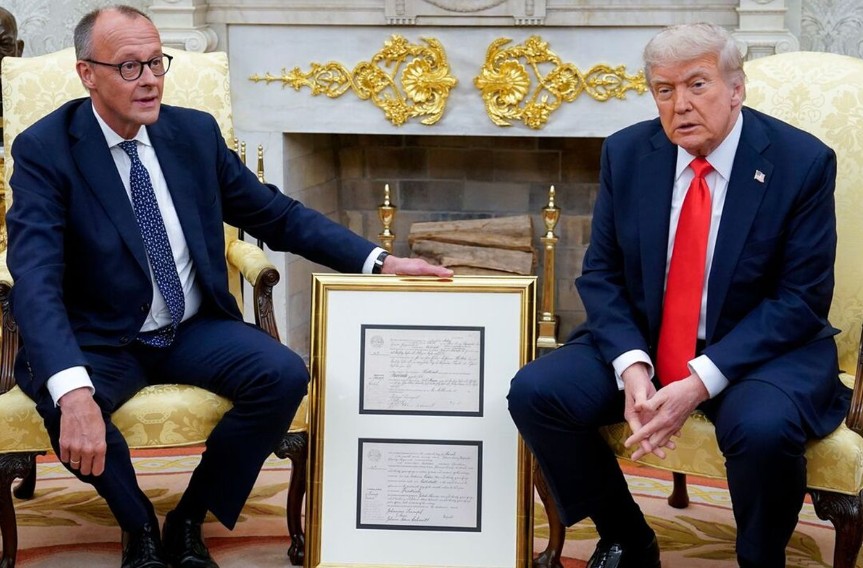
BERLIN — In a highly unusual departure from standard diplomatic protocol, German Chancellor Friedrich Merz has delivered a scathing critique of Washington’s handling of the ongoing Iran war, accusing the Trump administration of entering the conflict without a coherent strategy and allowing the United States to be systematically “humiliated” by Tehran.
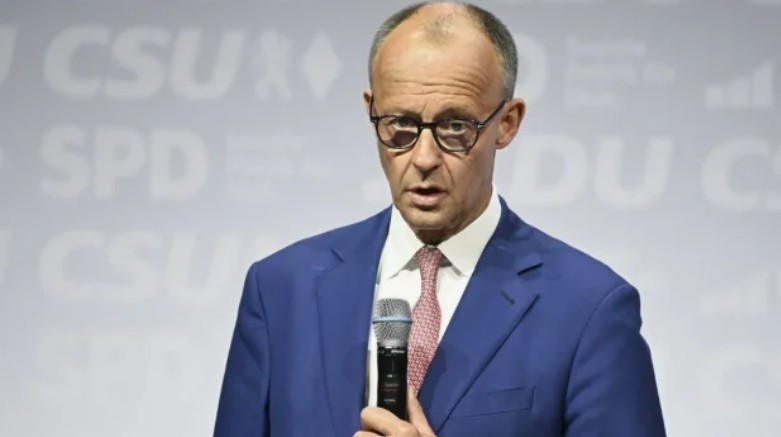
Speaking at a town hall engagement with students in Marsberg, Chancellor Merz offered a blunt assessment of the stalled indirect negotiations between the U.S. and Iran. The Chancellor’s remarks expose a widening transatlantic fissure regarding how the West should navigate the escalating crisis in the Middle East.
The Tactical Stall: IRGC’s Asymmetric Statecraft
Focusing strictly on the dynamics of the stalled negotiations, Merz highlighted the tactical prowess of the Iranian delegation, framing their approach as a calculated and highly effective form of asymmetric statecraft.
“The Iranians are obviously highly skilled negotiators—or rather, they are masters at not negotiating,” Merz stated. “They maneuver the Americans into traveling to Islamabad, only to have them return with absolutely no results.”
The Chancellor noted that Washington is being outplayed on the diplomatic front. “An entire nation is being humiliated by the Iranian state leadership, particularly by the so-called Revolutionary Guards. I hope this comes to an end as soon as possible.”
“Entering a War Without a Strategy”
The most damning assessment from Berlin centered directly on the Commander-in-Chief. Merz directly criticized U.S. President Donald Trump, alleging that the White House initiated the current phase of the Iran war without a defined geopolitical endgame.
“Mr. Trump evidently entered this war without any strategy,” Merz noted. “This makes the situation even more complicated, especially given how masterfully the Iranians are negotiating—or rather, not negotiating.”
Washington’s Counter-Narrative
Merz’s stark European assessment stands in direct contrast to the narrative currently being broadcast by the White House. Just 24 hours prior to the Chancellor’s remarks, President Trump appeared on Fox News to project total leverage over Tehran.
“We hold all the cards,” Trump stated, indicating that the U.S. remains open to communication should the Iranian leadership choose to initiate contact.
However, intelligence and diplomatic realities on the ground appear to align closer to Berlin’s assessment. The diplomatic back-channel, heavily reliant on third-party mediation, has ground to a halt. Planned visits by U.S. negotiators to the Pakistani capital of Islamabad for indirect talks with Iranian representatives were recently abruptly canceled, following a complete lack of progress in earlier rounds of negotiations.
As the Iran war threatens to draw in further regional actors, this public condemnation from a key NATO ally underscores the growing international anxiety over Washington’s long-term objectives and the immediate effectiveness of its deterrence architecture.