Howmet Aerospace Company Profile, Products and Revenue
Howmet Aerospace is the quiet giant of the jet age, a Pittsburgh-based supplier that booked roughly $7.4 billion in 2024 revenue casting the turbine airfoils, fasteners and titanium structures found inside nearly every Western aircraft engine. Spun off from Arconic in 2020, the company rarely appears in contract announcements, yet almost no fighter, airliner or helicopter flies without its parts.
Howmet Aerospace at a glance
| Item | Detail |
|---|---|
| Full name | Howmet Aerospace Inc. |
| Headquarters | Pittsburgh, Pennsylvania, USA |
| Independent since | April 2020, via spin-off from Arconic Inc. |
| Employees | Roughly 23,700 (2024) |
| Revenue | $7.43 billion (2024), with net income of roughly $1.2 billion |
| Listing | NYSE ticker HWM, member of the S&P 500 |
| Main fields | Investment-cast turbine airfoils, aerospace fasteners, titanium and aluminum structures, forged aluminum wheels |
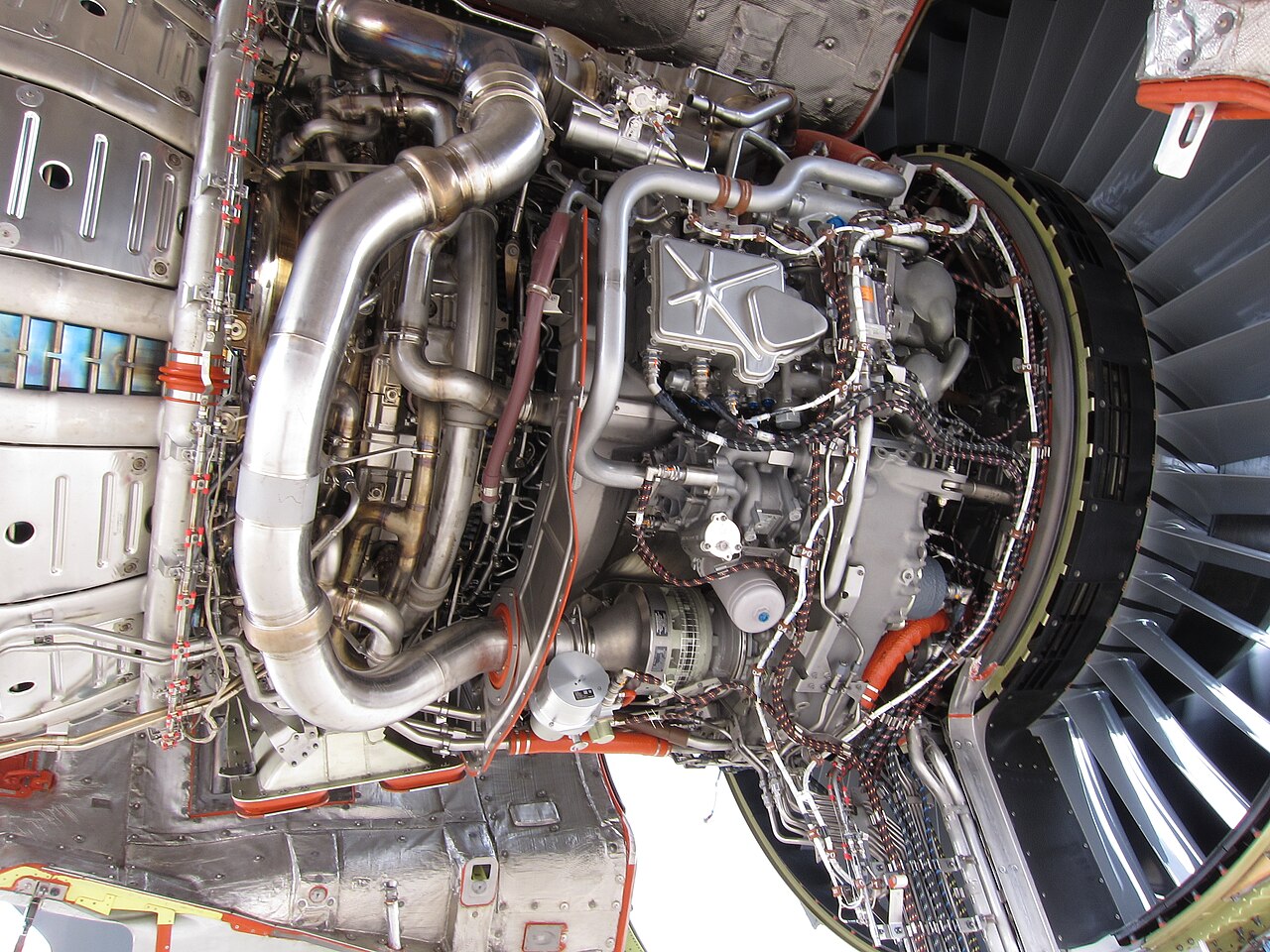
Howmet sits one tier below the engine makers in the aerospace pyramid. When GE Aerospace, Pratt & Whitney, Rolls-Royce or the CFM joint venture builds a turbofan, a large share of the hottest, hardest parts inside it, the single-crystal turbine blades and vanes that survive temperatures above the melting point of the metal they are cast from, comes out of Howmet foundries. The same logic applies to the specialty fasteners that hold airframes together and the structural forgings and castings in airframes from the 737 to the F-35 Lightning II.
What does Howmet Aerospace make
| Segment | Share of revenue | What it sells |
|---|---|---|
| Engine Products | About half | Investment-cast turbine blades, vanes and structural engine parts, seamless rings |
| Fastening Systems | Roughly a fifth | Specialty bolts, lockbolts and fastening systems for airframes and engines |
| Engineered Structures | Just over a tenth | Titanium and aluminum forgings and machined structures, including fighter airframe parts |
| Forged Wheels | Just over a tenth | Forged aluminum wheels for commercial trucks, the one non-aerospace line |
The commercial side dominates, with engines for the Boeing and Airbus narrowbody programs the single biggest driver. But the portfolio is deliberately balanced across build rates and spares. When new aircraft deliveries stall, as they did through the 737 MAX and supply-chain crises, airlines fly older jets longer and Howmet sells more replacement airfoils instead.
How Howmet emerged from Alcoa and Arconic
The corporate family tree runs through American industrial history. Aluminum pioneer Alcoa split in 2016, sending its upstream smelting business one way and its precision-products arm, named Arconic, the other. Arconic itself split again in April 2020, and the aerospace-focused half took the name Howmet, reviving the brand of a castings specialist Alcoa had acquired along the way. Executive chairman John Plant, a veteran of the auto-supplier world, has led the company since the separation and is widely credited with its margin turnaround.
The timing looked terrible, the spin-off closed in the first weeks of the COVID-19 air-travel collapse. It turned out to be the setup for one of the best-performing large-cap stocks in US aerospace, as travel recovered and engine makers scrambled for casting capacity.
Howmet Aerospace defense programs
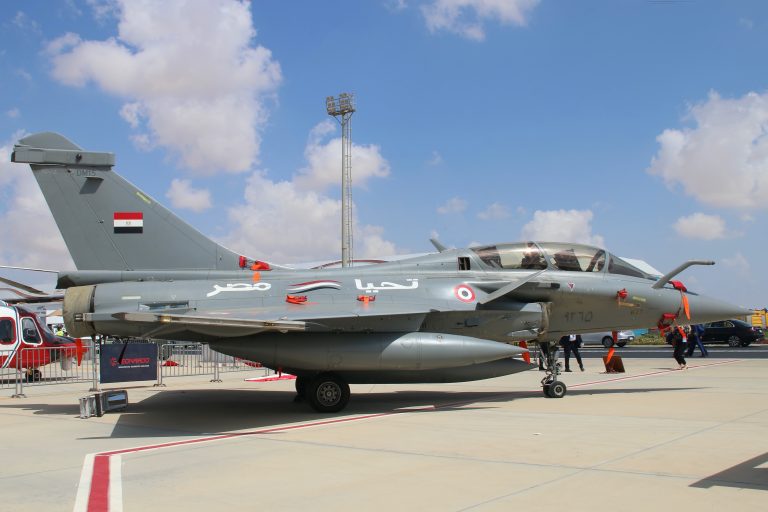
Defense accounts for a meaningful minority of sales, reported at roughly 15 to 17 percent of revenue in recent years, and the F-35 is the anchor. Howmet supplies titanium airframe structures and castings for the jet as well as hot-section hardware for its F135 engine, so every rise in F-35 production and every engine overhaul cycle flows through its order book. The company also feeds parts into the F110 and F404 fighter-engine lines, transport and helicopter turbines, and Western missile and space programs.
That makes Howmet a different kind of defense play from the primes in the top 10 defense companies ranking. It books no billion-dollar Pentagon contracts under its own name, but rearmament in the US, Europe and Asia raises demand for the parts only a handful of foundries can cast. Engine houses such as Rolls-Royce depend on the same tight supplier base.
Howmet Aerospace revenue and stock
Howmet closed 2024 with $7.43 billion in revenue, up around 12 percent year on year, and net income of roughly $1.2 billion, margins that most machine-shop tier suppliers can only envy. The stock, listed as HWM on the New York Stock Exchange, multiplied several times over between 2020 and 2026 as investors treated the company less like a metal-basher and more like a tollbooth on global engine production. Howmet has used the cash for dividends, buybacks and steady debt reduction rather than large acquisitions.
Outlook for Howmet Aerospace
Three forces shape the next few years. First, narrowbody engine production and the spares boom on LEAP and geared-turbofan fleets, where new blade and vane demand outruns supply. Second, defense budgets, with F-35 deliveries, engine upgrades and missile programs all casting-intensive. Third, capacity, Howmet has been adding furnaces and workers, and its pricing power depends on those additions staying just behind demand. The main risks are a traffic downturn, titanium and nickel input costs, and any F-35 production pause.
Howmet Aerospace frequently asked questions
What does Howmet Aerospace do?
It makes investment-cast turbine blades and vanes, aerospace fasteners, titanium structures and forged truck wheels, supplying nearly every Western jet-engine program.
Is Howmet Aerospace part of Alcoa?
Not anymore. Alcoa split in 2016, creating Arconic, and Arconic split again in April 2020, creating Howmet Aerospace as an independent company.
Is Howmet a defense company?
Partly. Roughly 15 to 17 percent of revenue is defense, led by titanium structures for the F-35 and hot-section parts for its F135 engine.
How big is Howmet Aerospace?
About 23,700 employees and $7.43 billion in revenue in 2024, with operations across the Americas, Europe and Asia.
Who leads Howmet Aerospace?
Executive chairman John Plant has led the company since the 2020 spin-off and is credited with its margin expansion.
- Public company data and annual disclosures (2024 figures)
- Wikipedia – Howmet Aerospace (accessed October 2026)
- Company segment reporting and investor materials
- Defence & Tech reporting on the aerospace supply chain