Pentagon Seeks $50 Billion to Build Drones by the Million, Hegseth Says
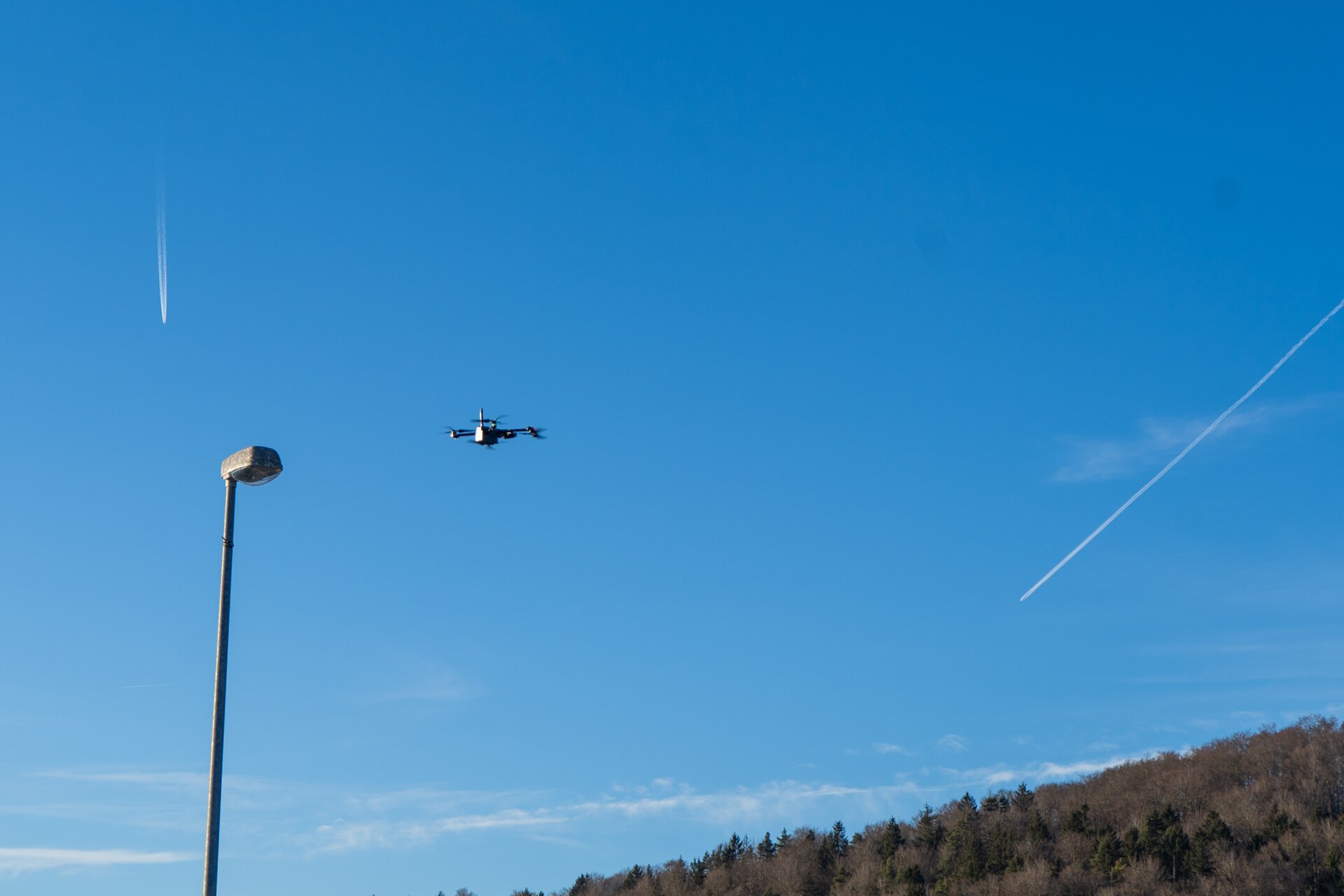
The Pentagon wants roughly $50 billion to take its stock of autonomous weapons from the thousands into the millions, Defense Secretary Pete Hegseth said on October 14. Speaking on the Project Agincourt panel at the Association of the U.S. Army’s annual meeting in Washington, Hegseth said the money would come through a reconciliation package, separate from the regular fiscal 2027 budget request.
He described it as a one-time investment rather than a recurring line item, meant to build a production base for drones and robotic systems on a scale the U.S. military has never tried before.
“Ultimately we will be dealing with hundreds of thousands of one-way attack systems this year,” Hegseth told the audience.
- About $50 billion requested through reconciliation, separate from the FY2027 budget
- Goal: scale autonomous systems from thousands to millions
- FY2027 request already includes $53.6 billion for Drone Dominance
- Autonomous Warfare Command target date: October 1, 2027
From Drone Dominance to a new command
The request comes on top of the $53.6 billion Drone Dominance initiative already in the fiscal 2027 budget request. That plan sets aside $16.9 billion for unmanned systems, $14.4 billion for counter-drone defenses, $13.5 billion for contested logistics and $4.5 billion for collaborative autonomy.
It also feeds into the Autonomous Warfare Command, or AUTOWARCOM, which Hegseth announced at Marine Corps Base Quantico on September 30. The command is meant to have “service-like authorities” and a four-star commander, with a target stand-up date of October 1, 2027, pending legislation from Congress. Project Agincourt is the bridge to get there: a year-long effort to test a faster buying model that puts operators, engineers and start-ups in the same room.
Cutting the red tape
Hegseth used the AUSA stage to lean on his own officials. “I want you to tell me which rules can be signed away,” he said, pushing the department to make it easier for newer firms to compete with the big primes and to buy cheaper systems that can be built in volume.
Acting Army Secretary Adam Telle said the service is opening programs to non-traditional companies, widening access to test ranges and building drones, autonomous ground vehicles, autonomous fires and autonomous lift into the way it plans to fight. The Army has also launched a robotics warrant officer track so skilled operators can stay in the field for a full career.
Why it matters
The war in Ukraine has turned cheap, mass-produced drones into some of the deadliest weapons on the battlefield, and Washington is racing to catch up on volume. Whether the $50 billion actually arrives depends on Congress and the fate of the reconciliation bill, which is far from settled. Still, the message from the Pentagon’s leadership is hard to miss: in the next war, numbers may count as much as sophistication.
Featured image: U.S. Army 105MPAD by Capt. Thomas McCarty / Public domain, via Wikimedia Commons