How to Read a Defense Budget and Compare Military Spending
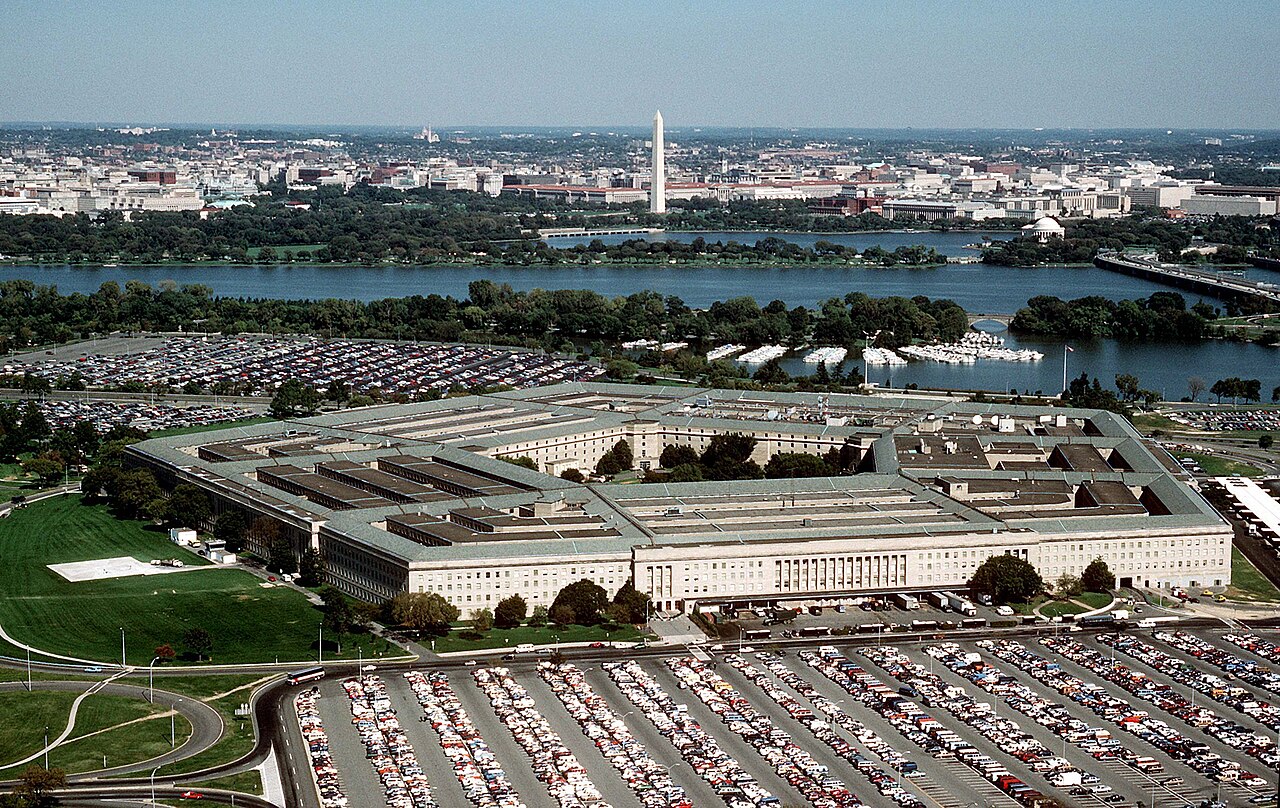
To read a defense budget, start by splitting it into five categories, personnel, operations and maintenance, procurement, research and development, and construction, because the headline figure alone, such as the roughly $850 billion the United States requests each year, says little about what a military can actually do. Two countries with the same topline can field very different forces depending on how they divide the money.
What is in a defense budget
A defense budget is a government’s plan for paying for its armed forces over a fiscal year. It covers salaries, fuel, spare parts, new weapons, research and bases. Some countries also fold in paramilitary forces, pensions, nuclear warheads managed by civilian agencies or military aid to other nations, and others do not. That is why comparing two budgets without checking definitions can mislead.
The size of the number matters less than its composition. A budget that spends most of its money on pay and pensions buys stability but little modernization. One that spends heavily on procurement and research is betting on future capability, and usually has a large industrial base to absorb the orders. Companies such as Lockheed Martin depend directly on the procurement line.
Defense budget categories explained
| Category | What it pays for | What it signals |
|---|---|---|
| Personnel | Salaries, housing, health care, retirement benefits | Force size and quality of life; high share can crowd out modernization |
| Operations and maintenance (O&M) | Fuel, spare parts, training, base upkeep, contractor support | Readiness: how much of the force can actually deploy and fight |
| Procurement | New aircraft, ships, vehicles, missiles, ammunition | Near-term growth and industrial demand |
| Research, development, test and evaluation (RDT&E) | Prototypes, experiments, new technologies | Future capability and long-term ambition |
| Military construction | Bases, hangars, barracks, runways | Infrastructure and forward posture |
A useful rule of thumb is to look at the ratio of procurement plus research to the whole. For many Western militaries it sits somewhere around a third, though the exact figure depends on the year and on how costs are classified. A sharp rise in the procurement share usually points to a rearmament cycle, as with European countries since 2022.
How to compare defense budgets between countries
Three measures are commonly used: absolute spending in dollars, spending as a share of GDP, and spending per soldier. Each answers a different question. Absolute dollars show capacity. Share of GDP shows economic burden and political priority. Spending per soldier hints at how capital-intensive a force is.
Exchange rates add another distortion. A dollar buys far more labor in some countries than in others, which is why China’s and India’s budgets buy more personnel and domestic production than their converted dollar totals suggest. Analysts sometimes use purchasing-power-parity adjustments for that reason, though they introduce their own uncertainty. Our ranking of the top defense companies shows how spending translates into industrial revenue.
| Measure | Best for | Weakness |
|---|---|---|
| Absolute dollars | Comparing overall capacity | Ignores price levels and what is counted as defense |
| Share of GDP | Comparing burden and priority | Penalizes small economies and flatters poor ones |
| Per soldier or per capita | Comparing capital intensity | Hides differences in force structure and conscription |
Budget request vs appropriation vs outlay
In the United States, the same budget year produces several numbers. The president’s request is the administration’s proposal. The appropriation is what Congress actually legislates. Outlays are the money genuinely spent in a given year, which can lag because weapons contracts pay out over many years. Reports that mix these terms create confusion, as in headlines that cite a proposed figure long before lawmakers have changed it.
The same distinction applies elsewhere. A multi-year plan, such as a 10-year modernization program, is a statement of intent rather than a guarantee. Most countries also run supplemental or off-budget funds, which can hide significant spending. Programs like the F-35 show the gap well: the aircraft has been funded across many annual budgets, and its lifetime sustainment costs far exceed its purchase price.
Red flags in defense budget headlines
Look for the following before trusting a headline. Does the figure include one-off emergency funding? Is it in current or constant dollars, so that inflation is stripped out? Does it count military aid or pensions? Is the rise real or only a change in how items are classified? Nominal increases of a few percent can amount to a real cut when inflation is high.
Also watch the language around readiness and modernization. A budget can grow while the share devoted to training and spare parts shrinks, leaving a military that owns impressive equipment it cannot use.
Defense budget frequently asked questions
What is the difference between a defense budget and military spending?
The budget is the plan. Military spending is the actual money spent, which can be higher or lower once supplementals and accounting differences are included.
What percentage of GDP do countries spend on defense?
It ranges from under 1 percent in some countries to well above 3 percent in nations facing active threats. NATO’s guideline has long been 2 percent.
What is procurement in a defense budget?
The money used to buy new equipment such as aircraft, ships, vehicles and munitions.
Why do defense budgets differ between sources?
Sources define defense differently, for example by including pensions, paramilitary forces or aid. SIPRI and IISS standardize these differences.
What is RDT&E?
Research, development, test and evaluation: the funding for prototypes and new technology before production begins.
- SIPRI Military Expenditure Database
- NATO Defence Expenditure reports
- US Department of Defense budget documents (Comptroller)
- Defence & Tech reporting on defense spending