How Strong Is Japan’s Military in 2026? Budget, Self-Defense Forces and Counterstrike Missiles
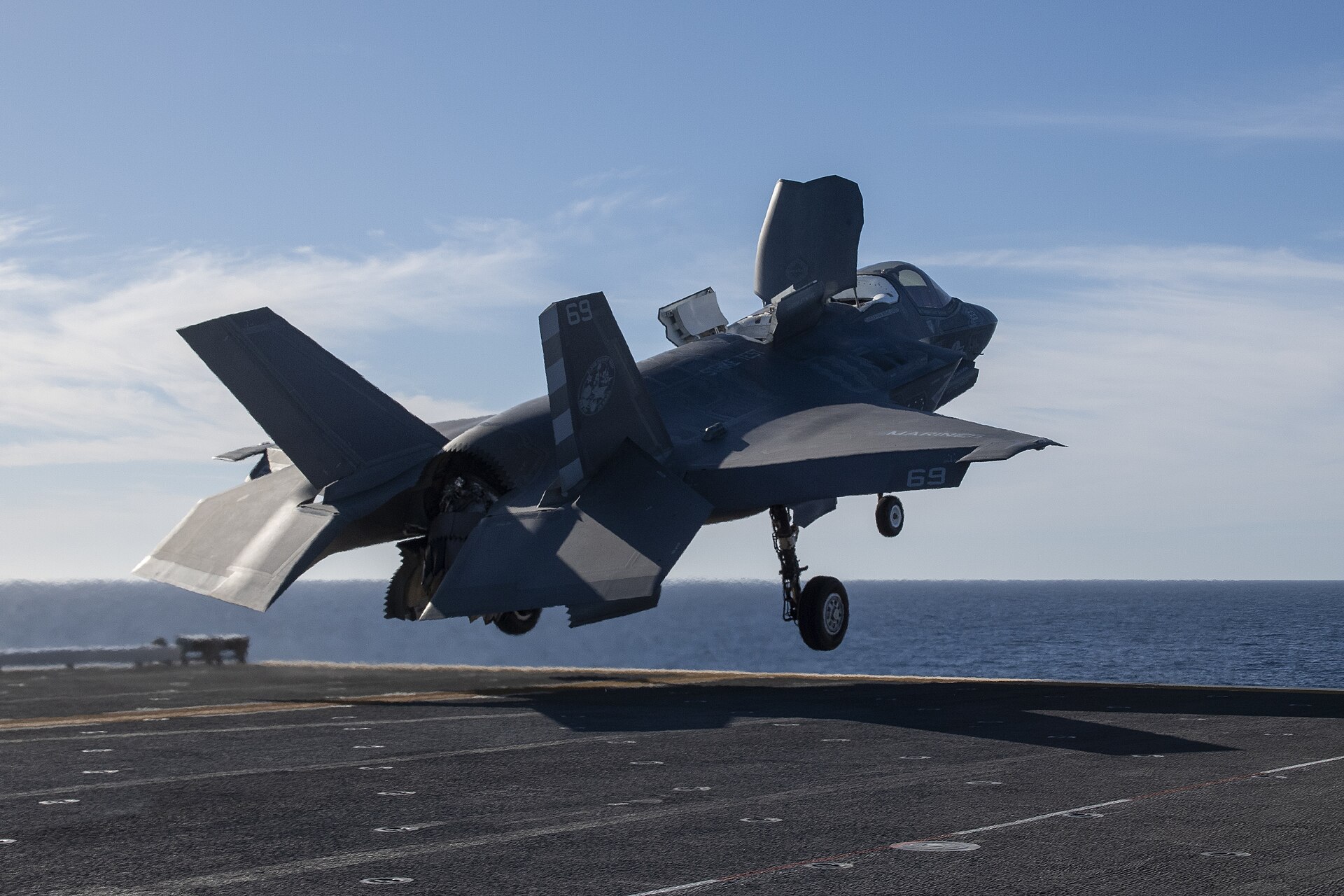
Japan has the seventh most powerful military in the world in 2026, according to Global Firepower, and it is changing faster than at any time since 1945. Officially a “Self-Defense Force,” Japan’s military now fields aircraft carriers in all but name, is buying long-range cruise missiles and has the highest defense budget, relative to its economy, since the 1950s.
- Global Firepower 2026 rank: 7th
- Military spending (SIPRI, 2025): $62.2 billion (+9.7%)
- Active personnel: about 247,000
- Key programs: F-35B carriers, Tomahawk, upgraded Type 12, GCAP
- US forces in Japan: about 55,000
Budget: the biggest jump in decades
SIPRI estimates Japan’s military spending rose 9.7% in 2025 to $62.2 billion, or 1.4% of GDP, the highest share since 1958. Tokyo’s 2022 security strategy set a goal of spending around 2% of GDP on defense and related areas, and the government has since moved to reach that target sooner than first planned.
People
The Japan Self-Defense Forces (JSDF) have around 247,000 active personnel across ground, maritime and air branches, but recruiting has become a serious problem in an aging society, and the forces regularly fall short of their targets. Japan stood up a permanent Joint Operations Command in 2025 to run all three services together.
Navy: “destroyers” that carry F-35s
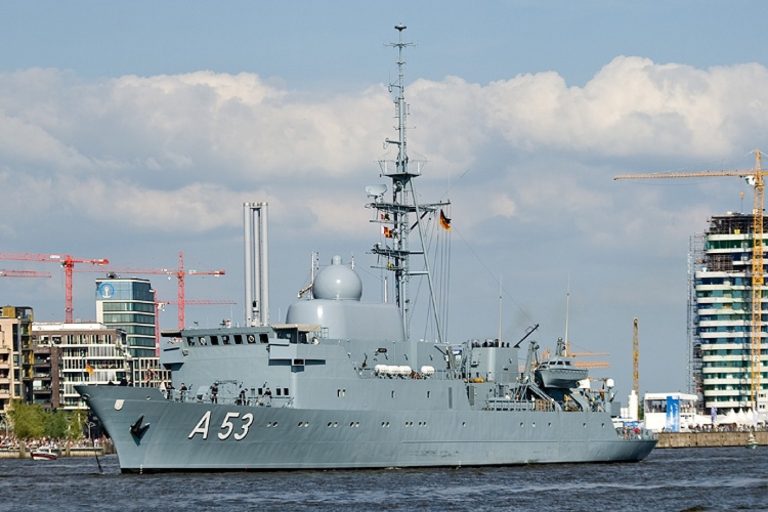
The Maritime Self-Defense Force is one of the most capable navies in Asia. Its two Izumo-class ships, JS Izumo and JS Kaga, are being converted to operate F-35B stealth fighters, effectively making them light aircraft carriers. Japan also operates eight Aegis destroyers, including the Maya class built for ballistic missile defense, and a modern fleet of quiet diesel-electric submarines with lithium-ion batteries.
Air power
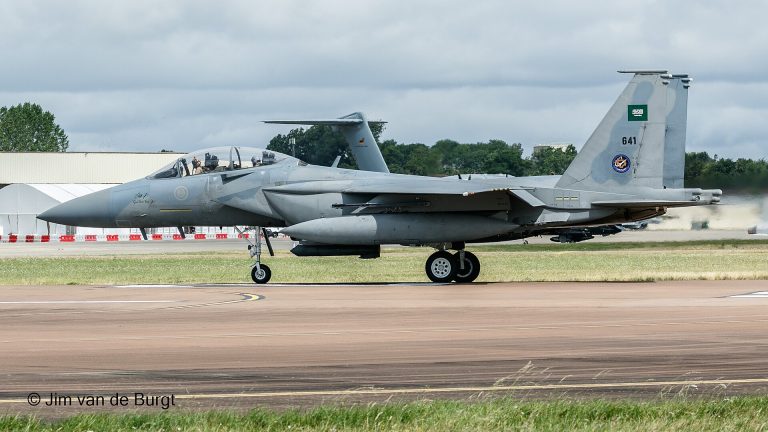
The Air Self-Defense Force flies F-15J, F-2 and a growing fleet of F-35A and F-35B fighters, with Japan planning to buy 147 F-35s in total. It is also developing a sixth-generation fighter with the UK and Italy under the GCAP program, due around 2035.
Counterstrike: a historic shift
The biggest change is Japan’s decision to acquire “counterstrike” capability, the ability to hit missile launch sites in an enemy’s territory. Japan is buying up to 400 US Tomahawk cruise missiles and fielding an extended-range version of its own Type 12 missile, with a range of around 1,000 km, as well as developing hypersonic glide weapons.
Threats
Japan faces China’s growing navy and air force around the Senkaku Islands and Taiwan, North Korea’s frequent missile tests and Russian activity in the north. Its southwestern islands, close to Taiwan, are being fortified with missile units, radars and shelters, and US-Japan exercises such as Keen Sword now rehearse their defense.
Limits
Japan’s constitution and politics still limit how its forces can be used, and the JSDF has no combat experience. Ammunition stocks, the resilience of bases and recruitment remain weak points.
Verdict
Japan is a high-tech military power with one of the strongest navies in the world and rapidly growing strike capability. Its alliance with the United States, which keeps around 55,000 troops in Japan, remains central to its security.
Featured image: U.S. Navy / Public domain, via Wikimedia Commons