How Strong Is Germany’s Military in 2026? The Bundeswehr’s Budget, Troops and Rearmament
Germany is in the middle of the biggest military buildup in its post-war history. It ranks 12th in the Global Firepower 2026 index, but that number hides how fast things are changing: in 2025 Germany became the world’s fourth-largest military spender, and Berlin’s stated goal is to make the Bundeswehr the strongest conventional army in Europe.
- Global Firepower 2026 rank: 12th
- Military spending (SIPRI, 2025): $114 billion (+24%)
- Active personnel: about 180,000 (target ~260,000)
- NATO commitment: 3.5% of GDP for core defense
- First permanent brigade abroad: Lithuania
Budget: from laggard to big spender
SIPRI estimates German military spending jumped 24% in 2025 to $114 billion, or 2.3% of GDP, the first time since 1990 that it passed NATO’s old 2% benchmark. A 2025 change to Germany’s constitutional “debt brake” exempted most defense spending above 1% of GDP, effectively removing the financial ceiling, and Berlin has committed to NATO’s new target of 3.5% of GDP for core defense.
People: the hardest part
The Bundeswehr has roughly 180,000 active soldiers, far short of what planners say is needed to meet NATO commitments. A new military service law introduced a questionnaire for young men and an expanded voluntary service from 2026, with the option of returning to compulsory service if volunteer numbers fall short. The goal is a force of about 260,000 active troops plus a much larger reserve.
Shopping list
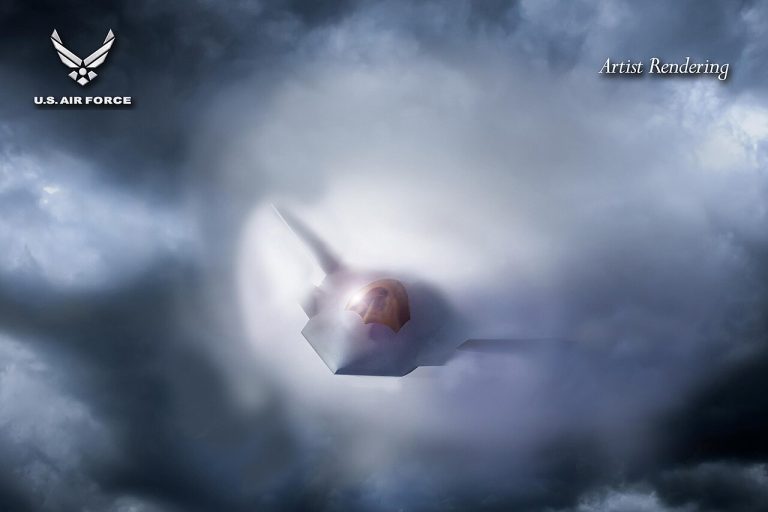
The money is flowing into equipment at record speed. Germany has ordered F-35A stealth fighters to replace its Tornados in NATO’s nuclear sharing role, Leopard 2A8 tanks, Puma infantry fighting vehicles, CH-47F heavy helicopters, P-8 Poseidon patrol aircraft and large numbers of IRIS-T SLM and Patriot air defense systems. It also bought Israel’s Arrow 3 to defend against long-range ballistic missiles, the centerpiece of the European Sky Shield initiative it launched.
A brigade in Lithuania
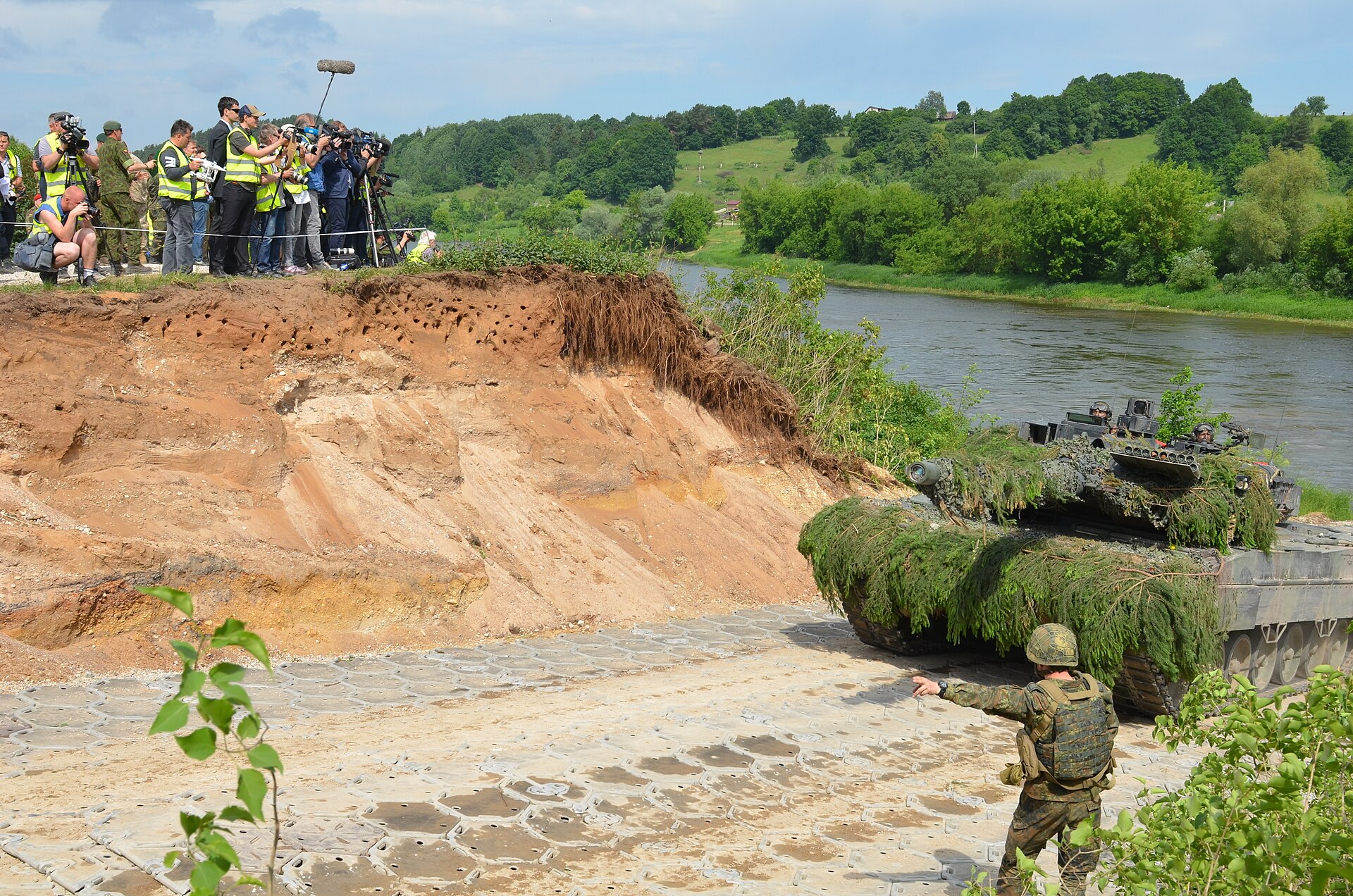
For the first time since World War II, Germany is permanently stationing a combat brigade abroad. Panzerbrigade 45 in Lithuania is due to reach full strength of about 5,000 troops by 2027, a powerful signal of commitment to NATO’s eastern flank.
Industry
Rheinmetall has become one of Europe’s defense champions, opening new ammunition plants and expanding into vehicles, air defense and naval shipbuilding. KNDS Deutschland, Hensoldt, Diehl and TKMS are also growing fast. At the same time, cooperation with France has frayed: the joint MGCS tank program collapsed after Germany pulled out, and the FCAS fighter project has been mired in disputes.
Weaknesses
Years of underinvestment left gaps that money alone cannot fix quickly: too few soldiers, shortages of spare parts and ammunition, slow procurement rules and barracks in poor condition. Many of the systems ordered since 2022 will not arrive until the late 2020s.
Verdict
Germany is not yet one of the world’s top military powers, but it has the economy, industry and political will to become Europe’s leading conventional force within a decade. The key test will be recruiting enough people to use all the new equipment.
Featured image: U.S. Army / Public domain, via Wikimedia Commons