India’s Integrated Theatre Commands Explained: The Biggest Military Reform in Decades

India has the world’s second-largest military by active personnel, but its Army, Navy and Air Force still largely plan and fight separately, through 17 single-service commands. For years, governments have promised to change that by creating integrated theatre commands. In 2026 the reform is closer than ever, and it could reshape how India would fight a war with China or Pakistan.
- Aims to merge India’s 17 single-service commands into joint theatre commands
- Most widely reported plan: three theatres, facing China, Pakistan and the sea
- Driven by the Chief of Defence Staff (CDS) post, created in 2019
- A 2023 law gave joint commanders disciplinary and administrative powers
- Lessons from Operation Sindoor in 2025 added urgency
How India’s forces are organised today
The Army has seven operational and training commands, the Air Force seven and the Navy three, each with its own headquarters, often in different cities and with different boundaries. Only two commands are tri-service: the Andaman and Nicobar Command, created in 2001, and the Strategic Forces Command, which manages nuclear weapons. Critics say this structure slows decision-making and wastes resources.
What is a theatre command?
A theatre command places all Army, Navy and Air Force units in a geographic area under a single commander, responsible for planning and fighting there. The United States, China and others use this model. China’s 2016 reforms created five theatre commands, including the Western Theatre Command facing India, which increased pressure on New Delhi to follow.
The proposed structure
The most widely reported plan envisages three integrated commands: a northern theatre focused on China, a western theatre focused on Pakistan, and a maritime theatre covering the Indian Ocean. Each would be led by a three-star officer from any service, while service chiefs would focus on raising, training and equipping their forces.
The role of the CDS
The Chief of Defence Staff post was created in 2019, with General Bipin Rawat as the first holder, and given the task of promoting jointness and preparing theatre commands. After his death in a 2021 helicopter crash, General Anil Chauhan took over in 2022. General N.S. Raja Subramani, who became CDS in 2026, has made completing the reform a priority. The Inter-Services Organisations Act, passed in 2023, gave joint commanders legal authority over personnel from all three services.
The debate
The Indian Air Force has long worried that dividing its limited fighter squadrons among several theatres would weaken its ability to concentrate air power. Questions also remain over where headquarters should be, how logistics will be shared and how much power service chiefs will keep. Supporters argue that Operation Sindoor in 2025 showed the value of tightly coordinated joint operations, strengthening the case for reform.
Verdict
Integrated theatre commands would be the biggest change to India’s military structure since independence. The concept now has strong political support and legal backing, but the details will decide whether it creates a truly joint force or simply adds another layer of headquarters.
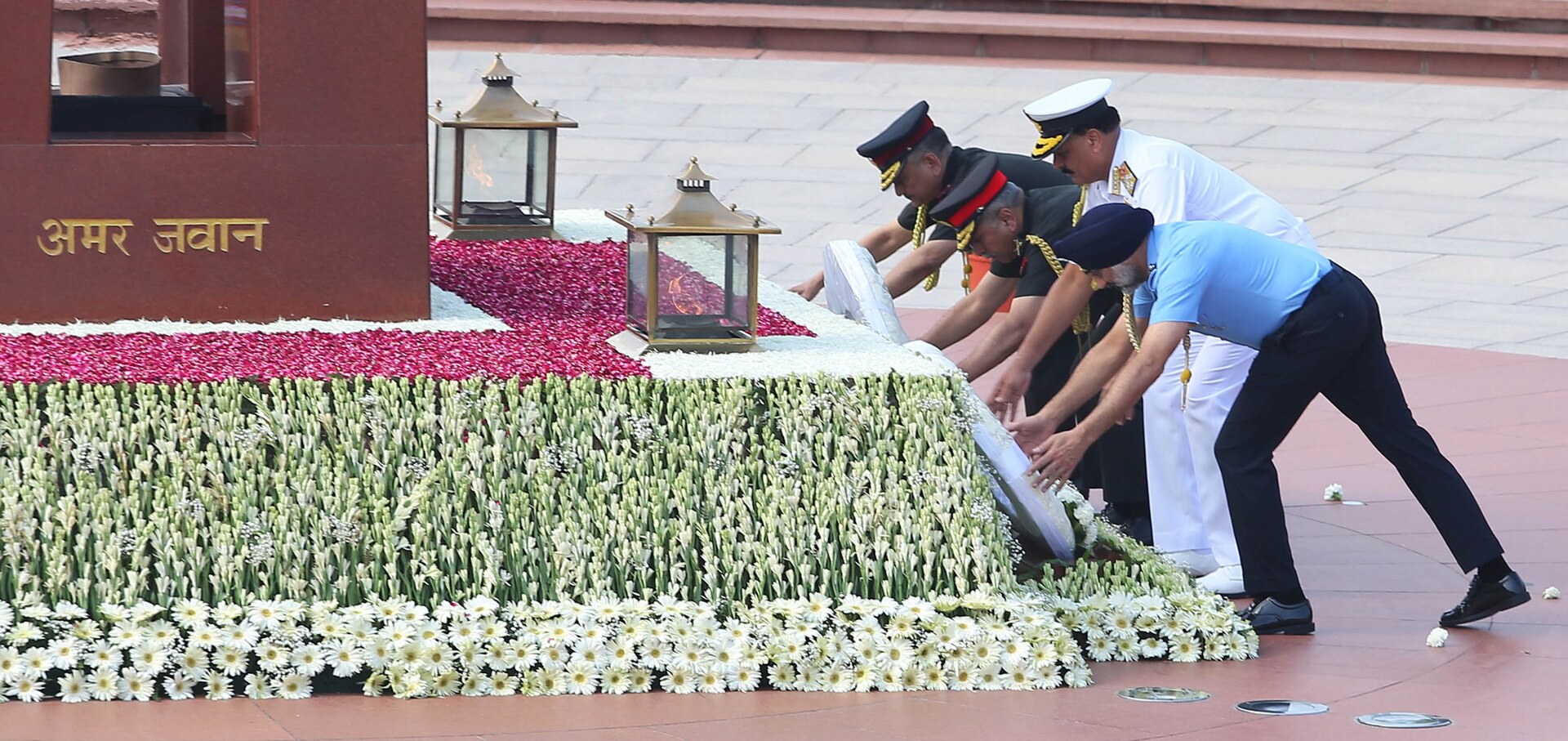
Featured image: Ministry of Defence / GODL-India, via Wikimedia Commons