HAL Tejas Mk1A Specs, Delivery Delays, Weapons and Operators
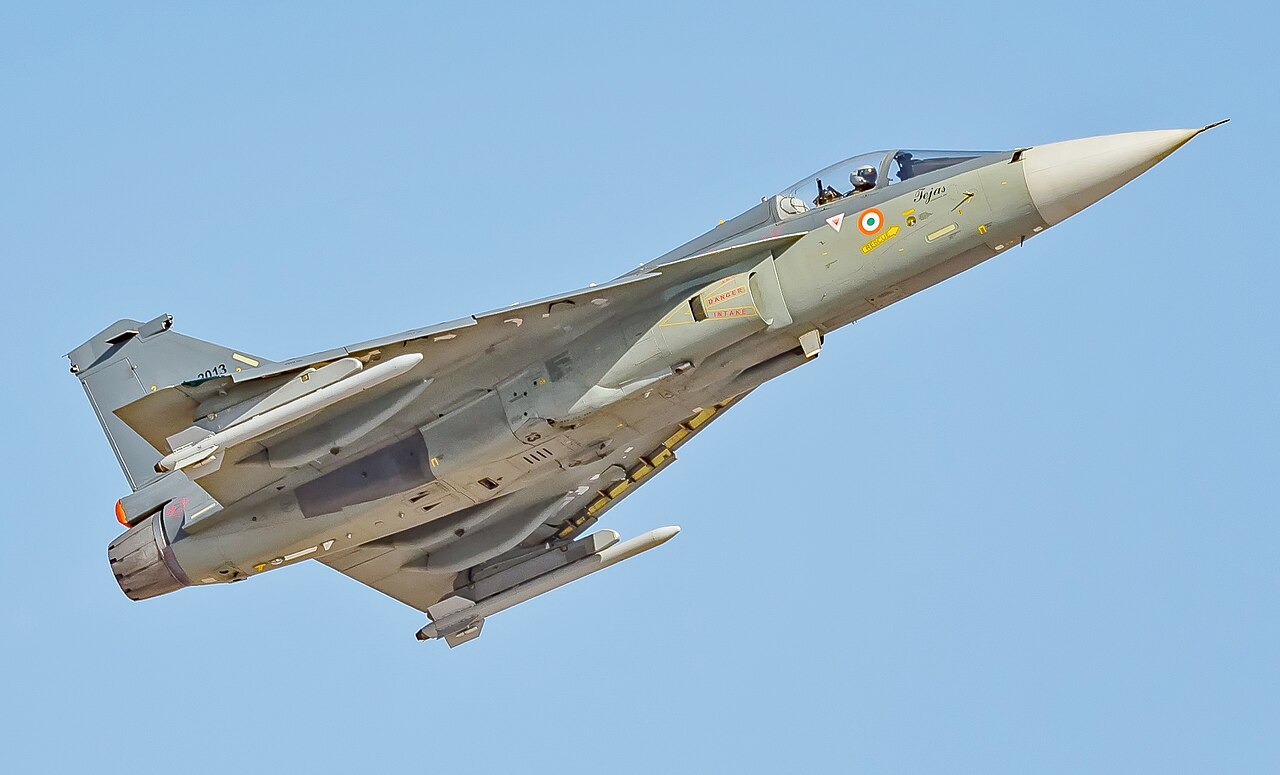
The HAL Tejas Mk1A is India’s upgraded light combat aircraft, and the Indian Air Force has ordered 180 of them, but deliveries have run roughly two years behind schedule. The single-engine fighter adds an AESA radar, better electronic warfare and easier maintenance to the original Tejas, yet its story so far is as much about supply chains as about performance.
What is the Tejas Mk1A
The Tejas program began in the 1980s to replace the aging MiG-21. The aircraft is designed by India’s Aeronautical Development Agency and built by Hindustan Aeronautics Limited (HAL). The original Mk1 entered service in 2016, but India’s air force wanted a version with modern sensors and easier upkeep. That request produced the Mk1A, ordered in 2021.
Indian officials describe the Mk1A as containing a higher share of domestic content than the Mk1, often cited as around 60 percent. As with most such figures, it is an official claim that depends on how content is counted.
Tejas Mk1A specifications
| Parameter | Value |
|---|---|
| Role | Single-engine, single-seat multirole light fighter |
| Length | About 13.2 m |
| Wingspan | About 8.2 m |
| Maximum takeoff weight | About 13,500 kg |
| Engine | One GE F404-IN20 turbofan, roughly 84 kN with afterburner |
| Maximum speed | About Mach 1.6 |
| Service ceiling | About 16,500 m |
| External hardpoints | 8 (including wingtip and fuselage stations) |
| Payload | About 3,500 kg |
| Radar | AESA radar, with an indigenous Uttam set planned for later aircraft |
Why are Tejas Mk1A deliveries late
The delays are the most important fact about the program. India signed the contract for 83 aircraft in early 2021, with deliveries due to begin in 2023 to 2024. The first production Mk1A flew in 2024, but the aircraft were not ready for handover on time, and the first deliveries reached the Indian Air Force only in late 2025, according to press reports.
Two bottlenecks stand out. The first is engines: the aircraft uses the American GE F404, and GE’s deliveries slipped because of supply chain problems, so airframes waited for power plants. The second is integration of radar, electronic warfare pods and weapons, which has been slower than planned. HAL has said it is raising annual output toward about 24 aircraft a year with a second line, though that target has also moved over time.
The air force has been openly critical. Its fighter squadron strength has fallen below the authorized figure of 42 because of MiG-21 retirements, which makes every late delivery count. A follow-on order for 97 more Mk1A, placed in 2025, shows continued political support, but it also raises the stakes on HAL’s output.
Tejas Mk1A weapons and sensors
The Mk1A carries a 23 mm cannon and can be armed with the Indian-developed Astra beyond-visual-range missile, short-range infrared missiles, laser-guided bombs and anti-ship missiles. An AESA radar improves tracking and jamming resistance, a technology we explain in how AESA radar works. The Mk1A also adds a self-protection jammer and upgraded mission computers, plus easier access panels that reduce turnaround times.
Tejas variants and operators
| Variant | Status | Notes |
|---|---|---|
| Tejas Mk1 | In service since 2016 | First production standard, about 40 ordered |
| Tejas Mk1A | Deliveries starting | AESA radar, new EW suite, 180 on order |
| Tejas Mk1 twin-seat trainer | In service | Conversion trainer with shared airframe |
| Tejas Mk2 (MWF) | In development | Larger, more powerful, medium-weight fighter |
| Navy Tejas | Prototype stage | Carrier-capable testbed for naval requirements |
The Indian Air Force is the only operator. Export interest has been reported from several countries, but no foreign sale has been confirmed.
How the Tejas Mk1A compares with rivals
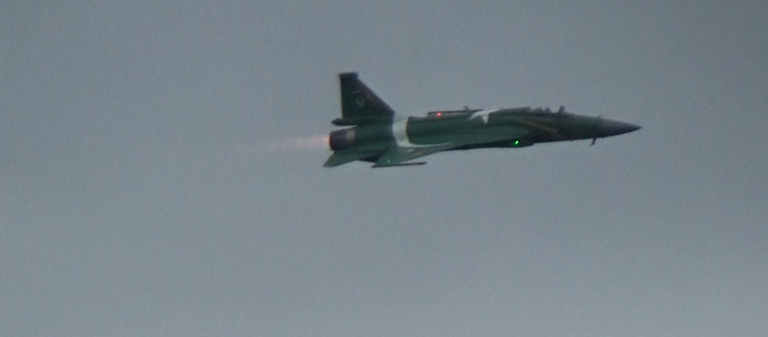
Among light fighters, the Mk1A sits between the Pakistani-Chinese JF-17 and the Swedish Gripen. It is smaller and lighter than the Gripen E, with less range and a smaller payload, but it is newer than the older F-16 variants and comes with a large Indian industrial base behind it. The right comparison is cost and availability rather than peak performance, and the Mk1A’s value depends on whether HAL can deliver at volume.
Tejas Mk1A frequently asked questions
How many Tejas Mk1A has India ordered?
180 in total: 83 in 2021 and 97 more in 2025.
Why are Tejas Mk1A deliveries delayed?
Mainly engine supply from GE and slower integration of radar, electronic warfare and weapons.
What engine does the Tejas Mk1A use?
The American GE F404-IN20 turbofan.
Is the Tejas Mk1A a fifth-generation fighter?
No. It is a modern fourth-generation-plus light fighter without stealth shaping.
What will replace the Tejas Mk1A?
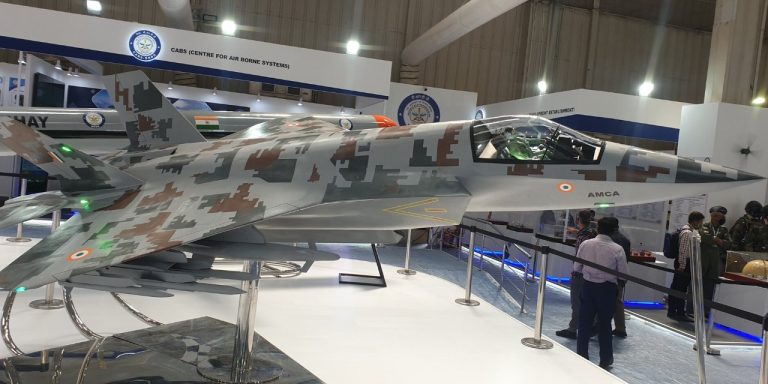
The larger Tejas Mk2 is in development, and India is also pursuing the AMCA stealth fighter.
- HAL and Aeronautical Development Agency public information
- Indian Ministry of Defence statements on Tejas contracts
- Wikipedia – HAL Tejas (accessed October 2026)
- Defence & Tech reporting