
Kinzhal, the Dagger That Met Patriot and Lost Its Aura
When Vladimir Putin unveiled the Kh-47M2 Kinzhal in 2018, it was presented as an unstoppable Mach 10 hypersonic weapon. Five years later a Ukrainian Patriot battery shot one down over Kyiv, and the dagger’s mythology has never recovered. The real Kinzhal is both less and more than the propaganda, a fast air-launched ballistic missile that stresses defenses without breaking them.
An Iskander with wings, almost
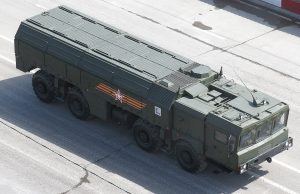
Kinzhal is not a new missile so much as a relocation. Its airframe and guidance derive from the ground-launched 9K720 Iskander, adapted for carriage under an aircraft with a modified rear section and guidance fit. The 4.3-tonne, roughly 7.2-meter weapon inherits Iskander’s quasi-ballistic behavior, flying a depressed trajectory with terminal maneuvering rather than a pure ballistic arc.
Air launch is the multiplier. Releasing the missile from a fast, high-flying carrier adds energy and, more importantly, geography, since the launch point can be anywhere the aircraft flies, compressing defender warning time and multiplying the axes a layered defense must cover.
The MiG-31K launch profile
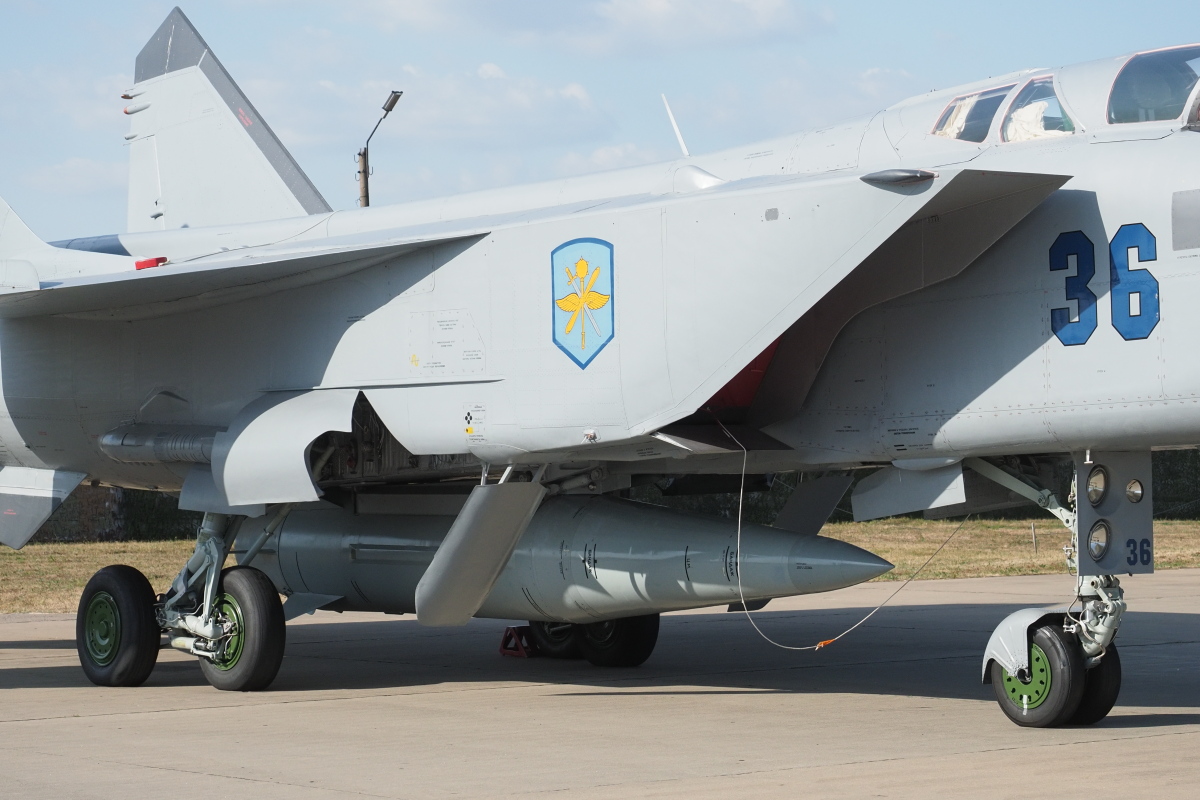
The dedicated carrier is the MiG-31K, a converted Foxhound interceptor whose speed and 20-kilometer ceiling give the missile its running start. The Tu-22M3M bomber has been adapted for the role, Su-34s have reportedly launched the weapon, and integration on the Su-57 is planned. For most of the war, the mere takeoff of a MiG-31K from Russian bases triggered nationwide air alerts in Ukraine, a psychological weapon in itself regardless of whether anything was fired.
Is it really hypersonic
Technically yes, trivially. Any ballistic missile of this class exceeds Mach 5 during flight. But the term hypersonic weapon, as used for glide vehicles and scramjet cruise missiles, implies sustained maneuvering flight at those speeds, which Kinzhal does not perform. Analysts describe it as standard ballistic missile technology flying fast, and battlefield evidence supports the skeptics, with Ukrainian operators reporting one intercepted round traveling at roughly 1,240 meters per second, about Mach 3.6, in its terminal phase, a third of the advertised figure.
| Parameter | Russian claim | Independent assessment |
|---|---|---|
| Top speed | Mach 10 | Mach 5+ boost, ~Mach 3.6 observed terminal (one case) |
| Maneuvering | Evades all defenses | Terminal maneuvers, but interceptable |
| Range | 2,000+ km with carrier | 460-480 km missile range after launch |
| Combat record | Unstoppable | Multiple operator-reported Patriot intercepts since May 2023 |
The Patriot reckoning
The May 2023 intercept over Kyiv was a genuine inflection point, the first operator-reported kill of a weapon Russian officials had called impossible to stop. Multiple further intercepts followed, including during massed mixed salvos designed to saturate the capital’s defenses. The engagements validated the PAC-3’s hit-to-kill performance against maneuvering fast targets and quietly rewrote assumptions inside every air defense establishment about what upgraded legacy systems can handle.
None of this makes Kinzhal harmless. It remains among the hardest targets in Russia’s conventional arsenal, it forces defenders to concentrate their best and scarcest interceptors around a few protected points, and anything outside those bubbles remains effectively undefended against it.
What Kinzhal still teaches
Kinzhal’s real lesson is about marketing and magazines. A weapon need not match its advertising to be strategically useful if it compels the defender to spend multimillion-dollar interceptors and permanent political attention. Conversely, the intercepts proved that the hypersonic label, applied loosely, should not paralyze defense planning. Both lessons now shape procurement debates from Washington to Warsaw.
Scarcity and the Salvo Math
Kinzhal has always been rare. The MiG-31K fleet is small, each aircraft carries a single missile, and production shares components and factory capacity with the Iskander line, so monthly output is assessed in single digits to low teens. Russia has husbanded the weapon accordingly, reserving it for mixed salvos where cruise missiles and drones soak up interceptors before the ballistic threats arrive, or for targets believed to sit under the thickest defenses.
That scarcity cuts both ways. Each launch spends a strategic asset on a battlefield that has learned to intercept it, but each launch also forces Ukraine to keep its scarcest interceptors, PAC-3 rounds, positioned around a handful of cities. A weapon can fail its advertising and still succeed as a magnet for the defender’s best ammunition, which may be Kinzhal’s most honest contribution to Russian strategy.
Frequently asked questions
Is the Kinzhal a true hypersonic weapon?
It exceeds Mach 5 in flight but is an air-launched quasi-ballistic missile, not a sustained-maneuvering hypersonic glide or cruise weapon, which is why analysts dispute the label.
Has Patriot shot down Kinzhal?
Yes, Ukrainian operators first reported a Patriot intercept over Kyiv in May 2023, with multiple further reported intercepts since.
What aircraft carry Kinzhal?
Primarily the MiG-31K, plus the Tu-22M3M; Su-34 use has been reported and Su-57 integration is planned.
How is Kinzhal related to Iskander?
It is essentially an air-launched derivative of the ground-based 9K720 Iskander missile with adapted guidance.
- Wikipedia – Kh-47M2 Kinzhal (accessed October 2026)
- Ukrainian Air Force intercept statements (operator-reported)
- Independent analyses of recovered Kinzhal wreckage