
15-Day Ceasefire in US-Iran Conflict: The 10-Point “Islamabad Accord” Explained

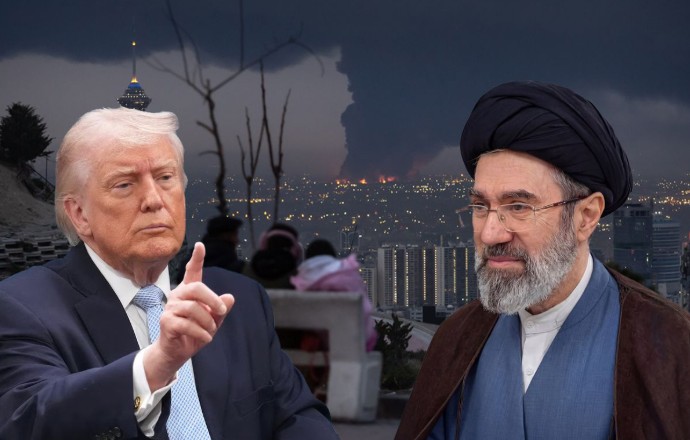

DEFENSE NEWS ANALYISIS — Following 40 days of high-intensity kinetic warfare that pushed the Middle East to a systemic breaking point, a 15-day ceasefire has been brokered between the United States and the Islamic Republic of Iran. Mediated by Pakistan and facilitated by back-channel Chinese diplomacy, the “Islamabad Accord” is set to take effect on April 10, 2026.
The breakthrough comes as President Donald Trump issued a final ultimatum to Tehran, ultimately accepting a pause in hostilities conditioned on the immediate and safe reopening of the Strait of Hormuz.
The “Hormuz Clause”: A Strategic Reprieve
The cornerstone of the ceasefire is the restoration of maritime traffic through the world’s most critical oil chokepoint. President Trump confirmed the suspension of all US aerial bombardments and missile strikes for two weeks, provided Iran ensures the “safe and immediate” passage of vessels.
However, Iranian Foreign Minister Abbas Araghchi noted that during this 15-day window, transit will be “coordinated” with the Iranian Armed Forces, suggesting that Tehran maintains a technical and sovereign presence over the waterway despite the opening.
The 10-Point Roadmap for Peace
The upcoming negotiations in Islamabad, Pakistan, will be centered on a 10-point framework submitted by Tehran and approved by Mojtaba Khamenei. The proposal seeks a total reset of the regional security architecture:
-
Non-Aggression Guarantees: A formal commitment from the US to cease all principal hostilities.
-
Controlled Transit: Sovereign Iranian oversight and coordination within the Strait of Hormuz.
-
Nuclear Recognition: International acceptance of Iran’s right to uranium enrichment.
-
Abolition of Sanctions: The total removal of all primary and secondary economic sanctions.
-
UNSC & IAEA Reset: Termination of all punitive resolutions by the Security Council and the Atomic Energy Agency.
-
War Reparations: Full financial compensation for war damages and the immediate release of frozen assets.
-
US Military Withdrawal: A total exit of US combat forces from regional bases and deployments.
-
Regional Ceasefire: Cessation of hostilities against all “Axis of Resistance” allies, including Lebanon.
The “Lebanon Exception” and Diplomatic Friction
While Washington and Islamabad expressed optimism, Israeli Prime Minister Benjamin Netanyahu introduced a critical friction point. Netanyahu stated that while Israel supports the pause in direct strikes on Iran, the ceasefire does not extend to operations in Lebanon. This “Lebanon Gap” remains a significant threat to the longevity of the Islamabad Talks.
The Diplomatic Frontline: Vance, Kushner, and Beijing
The White House has labeled the ceasefire a “victory of maximum leverage.” A high-level US delegation—including Vice President James David Vance, Middle East Envoy Steve Witkoff, and Jared Kushner—is expected to lead the face-to-face negotiations in Islamabad on Friday, April 10.
President Trump explicitly credited China for its role in pressuring Tehran toward the table, highlighting a shift in 2026 where Beijing’s energy interests have become a decisive factor in global de-escalation efforts.