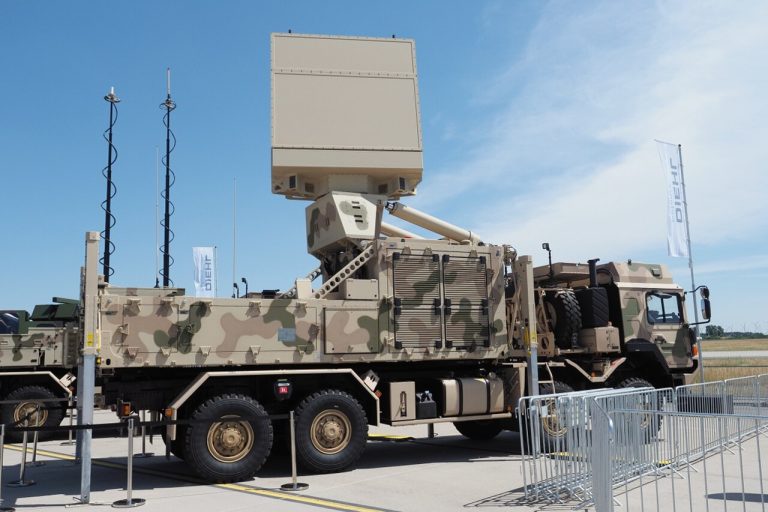
What Is DragonFire? Britain’s Laser Weapon and Directed Energy
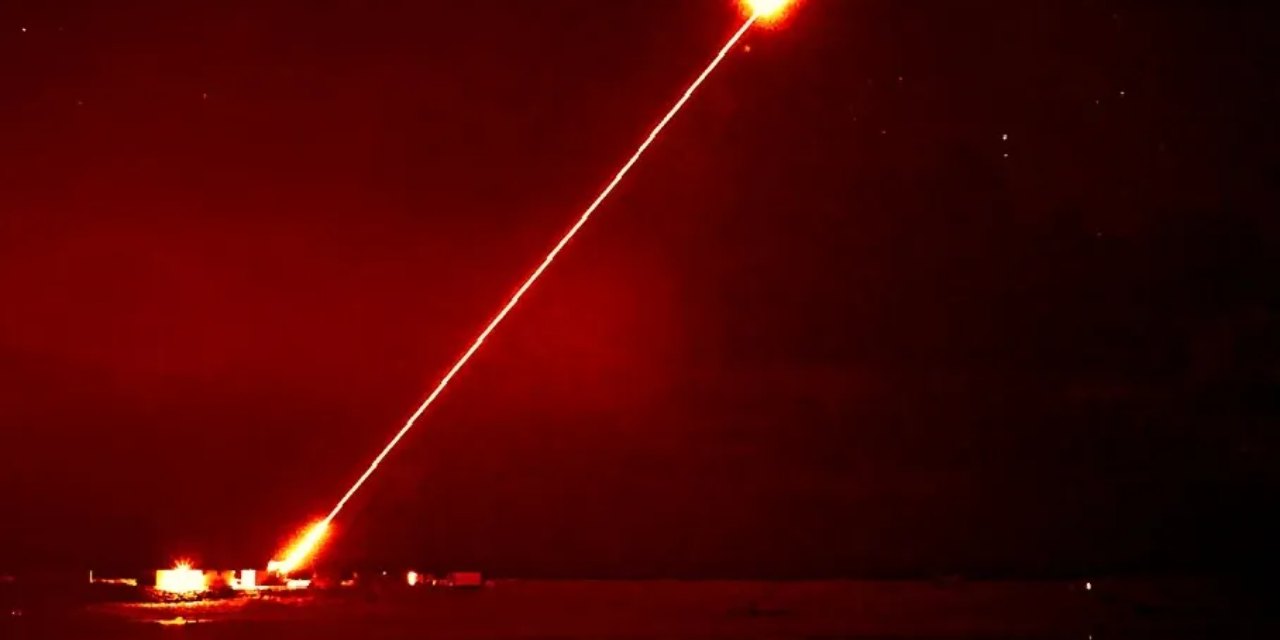
DragonFire is a British high-energy laser weapon designed to shoot down drones and missiles. In November 2025 the Ministry of Defence signed a £316 million contract with MBDA to fit it to Royal Navy Type 45 destroyers, with the first due in 2027, five years earlier than planned. Each shot costs about £10, against hundreds of thousands of pounds for a missile, and in trials it has hit drones flying at up to 650 km/h.
This guide explains how DragonFire works, what it can and cannot do, and the other directed-energy weapons Britain is testing.
What is DragonFire?
DragonFire focuses a beam of light onto a target until it burns through, destroying a drone’s structure, sensors or engine. The beam travels at the speed of light, so there is no flight time to calculate, and the weapon fires as long as it has electrical power. The Ministry of Defence says it is accurate enough to hit a £1 coin from a kilometre away. It has not disclosed the laser’s power or maximum range.
| Item | Detail |
|---|---|
| Type | High-energy laser directed-energy weapon |
| Developers | MBDA UK (lead), Leonardo (beam director), QinetiQ |
| First platform | Royal Navy Type 45 destroyer, 2027 |
| Targets | Drones; in future, missiles and small boats |
| Cost per shot | About £10 |
| Key trials | Hebrides range: aerial targets in 2024, high-speed drones in 2025 |
| Contract | £316 million, November 2025 |
| UK jobs | About 590 |
How did the programme develop?
DragonFire began in 2017 as a technology demonstrator run by the Defence Science and Technology Laboratory with MBDA, Leonardo and QinetiQ. In January 2024 it shot down aerial targets for the first time at the Ministry of Defence range in the Hebrides, the first time a British laser had done so at high power. Later trials at the same range in 2025 brought down drones moving at up to 650 km/h and included tracking above the horizon. The results persuaded the government to bring the in-service date forward from 2032 to 2027. Our earlier report on DragonFire on the Type 45 destroyers covers the decision.
Why lasers matter now
The case for lasers is cost. In the Red Sea, Royal Navy destroyers used Sea Viper missiles costing more than £1 million each to shoot down drones that cost a few tens of thousands. A laser that costs £10 a shot changes that sum, and it never runs out of ammunition while the ship has power. Lasers also have limits: rain, fog and dust weaken the beam, it must stay on target for several seconds, and it can only engage one target at a time. That is why DragonFire will add to the ship’s missiles, not replace them. The Type 45’s Sea Viper system is described in our guide to British air defence, and the ships themselves in our guide to the Royal Navy fleet.
Britain’s other directed-energy weapons
DragonFire is not Britain’s only directed-energy project. In 2024 the Army fitted a high-energy laser built by Raytheon UK to a Wolfhound armoured truck and used it to shoot down drones. In April 2025 soldiers in West Wales tested a radio-frequency weapon developed by a Thales-led team, which disables the electronics of drones rather than burning them. It brought down more than 100 drones in trials, including two swarms at once, at a range of up to a kilometre and an estimated cost of 10p a shot. The government has said it will invest nearly £1 billion in directed energy over this Parliament. How these systems compare is explained in our guide to laser weapon power levels, and the drone threat they answer in our guide to British drones.
How does it compare?
The United States Navy has had lasers on its ships since 2014, and Israel began fielding its Iron Beam laser in 2025. DragonFire is expected to be the first high-power laser to enter service with a European navy. Other European projects are covered in our article on counter-drone lasers in Europe.
Frequently asked questions
What is DragonFire?
A British high-energy laser weapon developed by MBDA, Leonardo and QinetiQ to shoot down drones and, in future, missiles.
When will DragonFire enter service?
The first system is due to be fitted to a Royal Navy Type 45 destroyer in 2027, five years earlier than originally planned.
How much does a DragonFire shot cost?
About £10, according to the Ministry of Defence, compared with hundreds of thousands of pounds for an air-defence missile.
How powerful is DragonFire?
The Ministry of Defence has not disclosed its power. It says the laser can hit a £1 coin from a kilometre away.
Has DragonFire shot down drones?
Yes. In trials in the Hebrides it hit aerial targets in 2024 and drones flying at up to 650 km/h in 2025.
Does the UK have other directed-energy weapons?
It has tested a laser on the Army’s Wolfhound vehicle and a radio-frequency weapon that brought down drone swarms in 2025. Neither is yet in service.
- Defence Equipment & Support – Boost for armed forces as new laser weapon takes down high-speed drones (November 2025): des.mod.uk
- UK Ministry of Defence – British soldiers take down drone swarm in groundbreaking use of radio wave weapon (April 2025): gov.uk
- Army Technology – UK MoD trials directed energy laser from Wolfhound: army-technology.com
- Tom’s Hardware – DragonFire laser shoots down high-speed drones: tomshardware.com