How Strong Is Iran’s Military in 2026? Missiles, Drones, the IRGC and the Cost of War
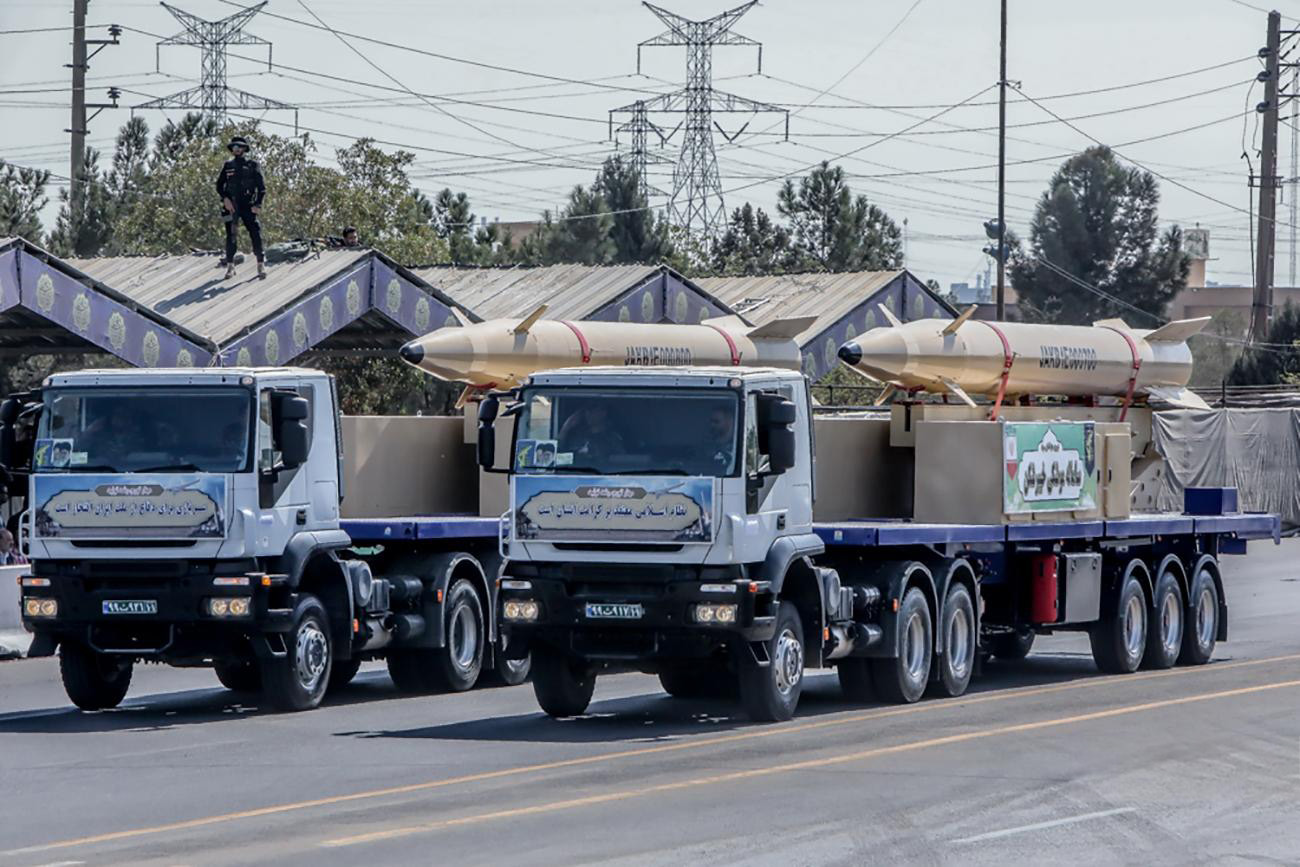
Iran ranks 16th in the Global Firepower 2026 index, but that ranking was compiled before the most damaging year in the Islamic Republic’s military history. In February 2026, US and Israeli strikes killed Supreme Leader Ali Khamenei and opened a war that has since been paused by a fragile ceasefire, while a US naval blockade of Iranian ports remains in force. Iran’s military today is a force under severe pressure, but one that still holds the largest missile and drone arsenal in the Middle East.
- Global Firepower 2026 rank: 16th (pre-war data)
- Official military spending (SIPRI, 2025): $7.4 billion (likely understated)
- Strongest assets: ballistic missiles and Shahed-type drones
- Weakest areas: air force and air defense
- 2026: war with US and Israel, ceasefire and US naval blockade
Budget and people
SIPRI estimates Iran’s official military spending at just $7.4 billion in 2025, but warns that official figures almost certainly understate the real level, since much funding flows through the Islamic Revolutionary Guard Corps (IRGC) and its business networks. Before the war, Iran had around 600,000 active personnel split between the regular Army (Artesh) and the IRGC, plus the Basij militia.
Missiles: Iran’s main weapon
Iran has built the region’s largest ballistic missile force, from the Shahab-3, Emad and Ghadr to the solid-fuel Kheibar Shekan and the Fattah, which Tehran calls hypersonic. It fired hundreds of these at Israel in 2024 and 2025 and at Israel, US bases and Gulf states in 2026. Most were intercepted, but enough got through to show the threat is real. Its missile production sites and launchers have been heavily targeted.
Drones
The Shahed-136, supplied to Russia and copied as the Geran, made Iran one of the world’s most influential drone powers. It also produces Mohajer and Shahed-129 drones and supplies allied groups across the region.
Air Force and air defense: the weak spots
Iran’s air force still relies on ageing F-14s, F-4s, MiG-29s and Su-24s, many dating from before 1979. Its air defenses, including Russian S-300PMU-2 and the domestic Bavar-373, failed to stop Israeli and US strikes in 2025 and 2026, exposing a large gap between Iran’s offensive and defensive power.
Navy and the Strait of Hormuz
Iran’s strategy at sea relies on the IRGC Navy’s fast attack boats, mines, anti-ship missiles and small submarines to threaten the Strait of Hormuz, through which a large share of the world’s oil passes. During the 2026 war Iran effectively closed the strait. The US Navy says it destroyed large numbers of Iranian drones, vessels and submarines, and has enforced a blockade since April.
Allies under pressure
Iran’s “Axis of Resistance” of Hezbollah, Iraqi militias and Yemen’s Houthis has been badly weakened since 2023, and the fall of Bashar al-Assad in Syria in late 2024 cost Tehran its main land route to Lebanon.
Verdict
Iran remains able to inflict serious damage with missiles, drones and attacks on shipping, but its air force, air defenses and navy have proven no match for the US and Israel. Its future military strength will depend on how much of its missile industry survives, and whether it rebuilds faster than its enemies can strike it again.
Featured image: Mohammad Hossein Ghanbarian / Attribution, via Wikimedia Commons