

Beyond the Trenches: The Diplomatic Earthquakes Reshaping the Ukraine-Russia War in Spring 2026


 React
React
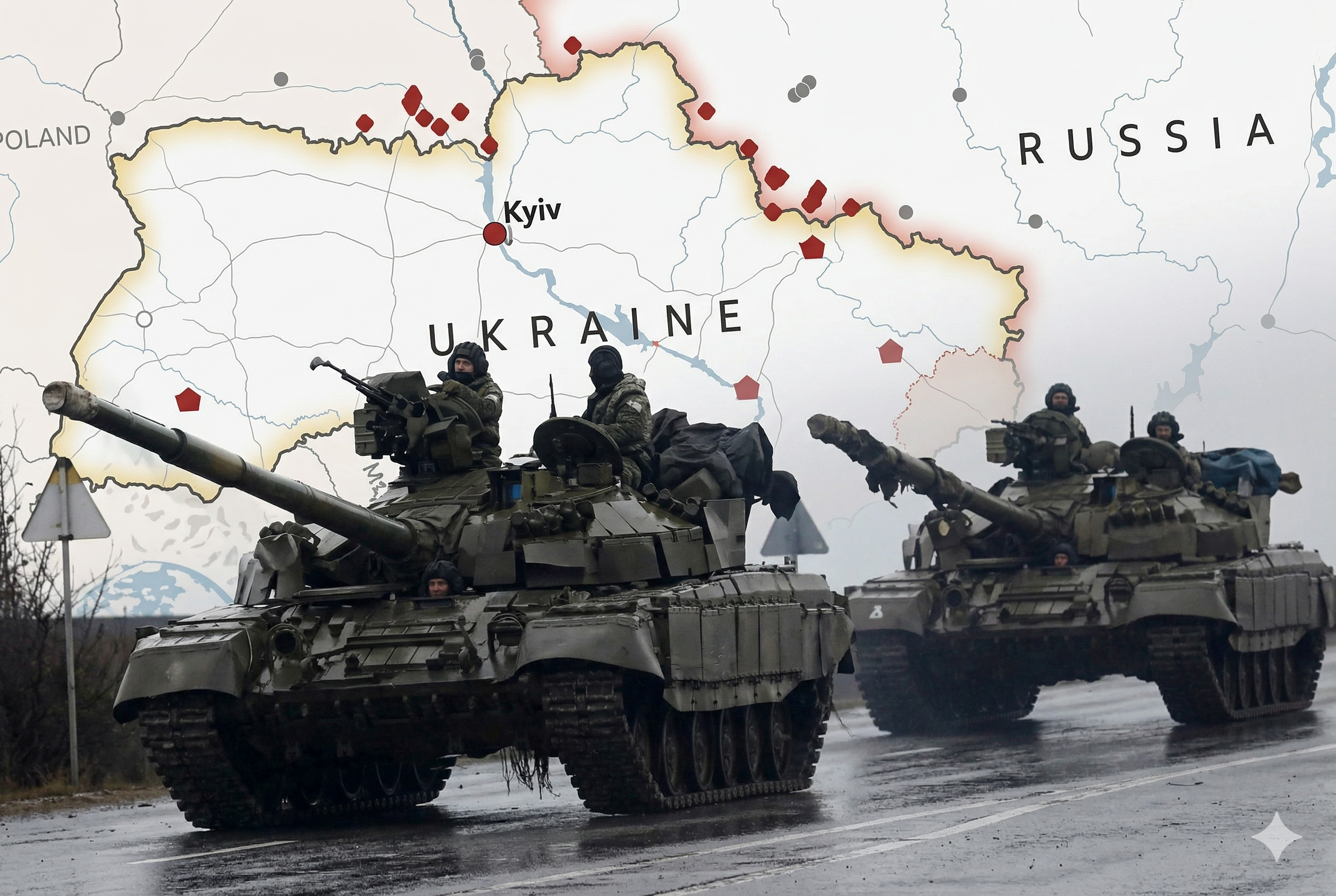
As we navigate through April 2026, the Ukraine-Russia war has entered a fundamentally new paradigm.
“As detailed in our recent State of the War report”
The kinetic frontline, defined by exhaustive artillery duels and highly advanced autonomous drone warfare, has largely solidified. The tactical stalemate on the ground, however, is a stark contrast to the rapid and seismic shifts occurring in the global diplomatic arena.
The center of gravity in this conflict has officially shifted from the muddy trenches of the Donbas to the polished tables of international diplomacy. And the players dictating the terms have drastically changed.
The Reality of “Sanction Fatigue” and the Fracturing Western Consensus
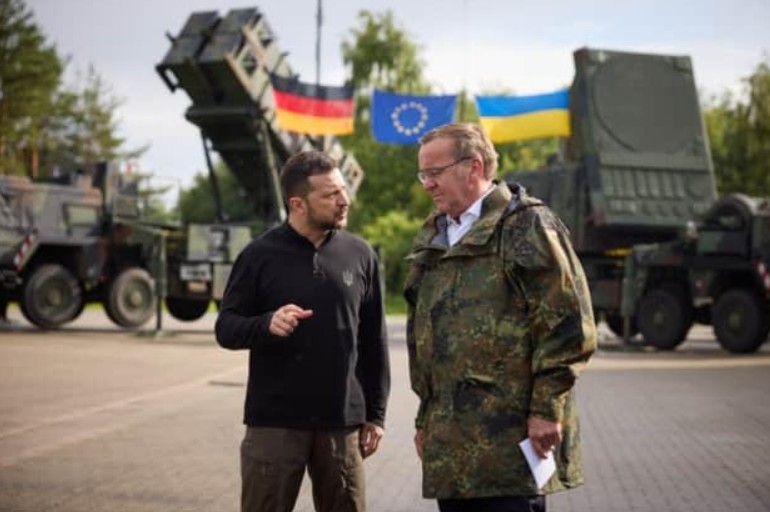
For the past four years, the Western strategy was predicated on presenting an unbreakable, unified front of military aid and suffocating economic sanctions. In Spring 2026, that facade is showing deep, undeniable structural cracks.
European capitals are grappling with severe “sanction fatigue.” Prolonged industrial stagnation, coupled with the domestic political cost of endless financial packages, has forced a subtle but definitive pivot in European rhetoric. The narrative is quietly transitioning from “total victory” to “sustainable settlement.” Similarly, shifting political winds in Washington have signaled a re-prioritization of strategic assets, recognizing that an endless proxy war in Eastern Europe dangerously depletes resources needed for Pacific deterrence.
The Rise of the “Multi-Polar Mediators”
The most significant diplomatic breakthrough of 2026 is the decentralization of the peace process. The monopoly previously held by Western institutions over how the war should end has been shattered. A new coalition of diplomatic heavyweights from the Global South—spearheaded by nations like Turkey, India, and Brazil—has taken the initiative, forcing both Kyiv and Moscow to engage in realistic backchannel frameworks.
Turkey, continuing its indispensable role as the primary geopolitical bridge between the East and the West, has advanced a new multi-tiered diplomatic initiative. Recognizing that maximalist demands from either side are mathematically impossible to achieve on the battlefield, this new framework bypasses traditional, stalled UN channels. It focuses instead on granular, actionable agreements: securing global supply chains, establishing localized demilitarized zones managed by neutral technological oversight, and lifting specific financial embargoes in exchange for strategic territorial concessions.
From “Frozen Conflict” to “New Security Architecture”
The diplomatic whispers in April 2026 suggest that both the Kremlin and Kyiv are internally preparing their populations for the harsh realities of a negotiated settlement. The debate in diplomatic circles is no longer about who wins a total victory, but rather what the post-war European security architecture will look like.
Will the outcome be a “Korean-style” frozen conflict with a heavily fortified, highly militarized DMZ monitored by AI and autonomous systems? Or will the current diplomatic breakthroughs lead to a comprehensive, albeit painful, treaty that redrafts the security map of Eastern Europe?
Conclusion: The End of Hegemonic Diplomacy
The spring of 2026 will be recorded as the moment the diplomatic dam broke. The Ukraine-Russia war is proving that in the 21st century, military might can only take a nation so far before the realities of global economic interconnectedness force them to the table. More importantly, the current diplomatic maneuvering proves that the era of a single geopolitical bloc dictating global peace terms is over.
As the architects of tomorrow’s security infrastructure gather in Ankara, New Delhi, and Geneva, the world is witnessing the painful birth of a truly multi-polar diplomatic order. The war may have started with a unilateral invasion, but its conclusion is being written by a newly empowered global majority.
React